
Auction: 26001 - Orders, Decorations and Medals
Lot: 108
(x) 'Give him an army, and he will conquer the world.'
Major-General Sir Fenwick Williams, the Defender of Kars, speaking of Captain, later General Charles Arbuthnot
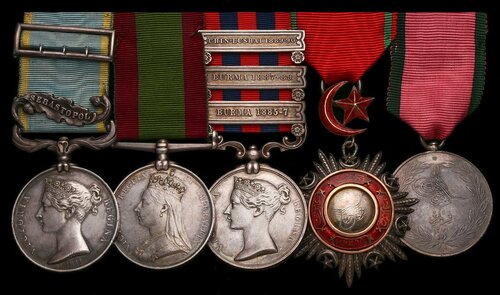
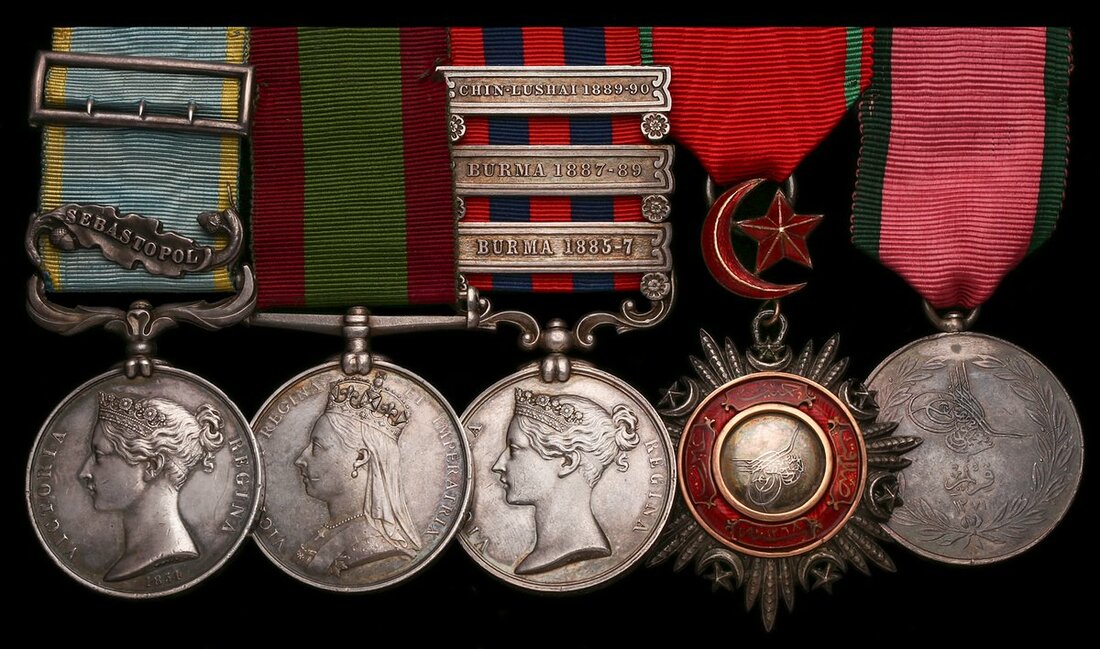
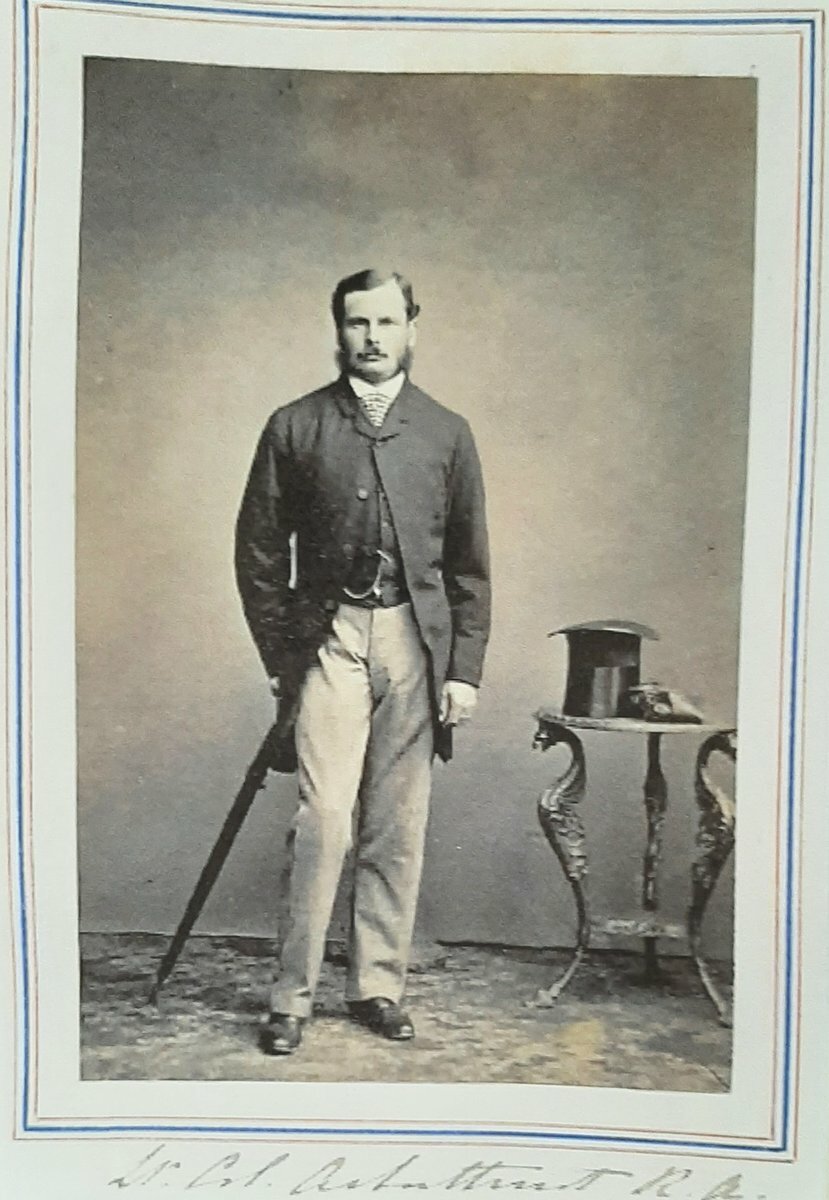
The superb campaign group of five awarded to General C. G. Arbuthnot, G.C.B., Royal Artillery
Crimea 1854-56, 1 clasp, Sebastopol (Bt Major C. G. Arbuthnot. R.A.), naming officially engraved by Hunt & Roskell; Afghanistan 1878-80, no clasp (Brigr. Gen. C. G. Arbuthnot. R.A.); India General Service 1854-95, 3 clasps, Burma 1885-7, Burma 1887-89, Chin-Lushai 1889-90 (Lt. Genl Sir C. G. Arbuthnot. Rl Arty.); Turkey, Ottoman Empire, Order of Medjidie, 5th Class breast Badge, silver and enamel; Turkish Crimea 1855, Sardinian issue, (Bt. C. G. Arbuthnot. R.A.) the first with an attractive silver clasp, light contact wear, overall good very fine (5)
Provenance:
Spink July 1933- when sold together with a G.C.B. set, likely added to complete his entitlement and since removed.
Spink April 1996, when sold without the G.C.B. set.
Note the recipient's Will published in the Morning Post states that '… the Ribbon and Star of the Order of the Bath, presented to him by the Queen on his investiture, and he directed that the [G.C.B.] Order and Badge should immediately after his death be returned to the Register'
[G.C.B.] London Gazette 26 May 1894.
M.I.D. London Gazette 2 November 1855, 4 May 1880 2 September 1887.
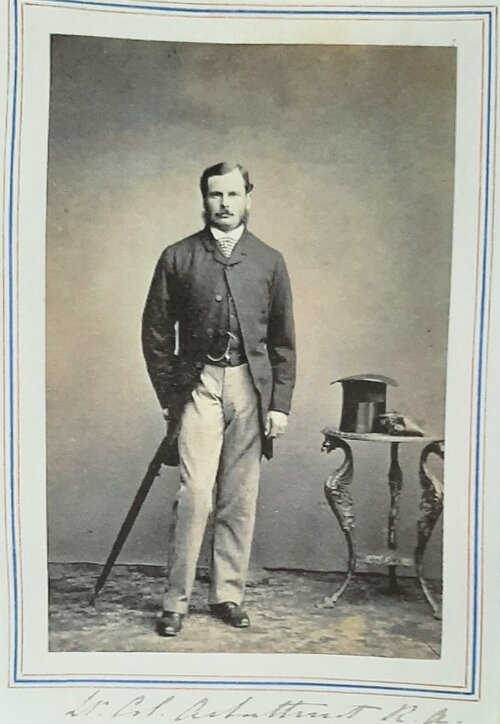
Charles George Arbuthnot was born at Killaloe, Ireland on 19 May 1824, the son of Margaret and Bishop Alexander Arbuthnot of Killaloe. Educated Rugby, where he excelled on the football pitch despite his small stature, a memoir published in the Minutes of Proceedings of the Royal Artillery Institution notes:
'Mr Tom Hughes (author of "Tom Brown's Schooldays") told Sir Alex Arbuthnot, K.C.S.I., Sir Charles' elder brother, that he well membered little Arbuthnot extracting the foot-ball from the densest scrimmages, and running with it until overhauled by some bigger boy. He was so small when he went to the Academy that under the present regulations he would have been rejected.'
Fortunately for Arbuthnot- and indeed the Royal Artillery as an institution- he was accepted to the Royal Military Academy, Woolwich in February 1841. Commissioned 2nd Lieutenant with the Royal Artillery on 17 June 1843 he was posted to Malta in 1844. There Arbuthnot was promoted Lieutenant on 4 February 1845 before moving on to Halifax Canada and Barbados. Whilst serving in the Americas he was promoted Second Captain on 4 April 1851 and First Captain on 8 March 1855.
Posted from Barbados to the Crimea Arbuthnot entered the war before Sebastopol in May 1885, joining No. 4 Battery, 6th Battalion. He received a bullet to the leg there whilst commanding a battery at the Quarries on 17 June, in the 4th Bombardment of Sebastopol. The remarkable circumstances around his wounded are outline in the Minutes of Proceedings of the Royal Artillery Institution which states:
''It appears that, wishing to look at something in the front, he had stood upon a gun, thereby exposing himself to the fire of some Russian Rifles. While upon the gun, a letter was handed to him. He stood and read; the Rifles continued to fire; at last he was hit, but went on reading until he fell from the gun into the orderly's arms.'
When Arbuthnot's Second Captain arrived to draw lots over who would lead a spiking party against the Russian guns, one amongst their party remarked that this wound would surely disqualify the gallant First Captain. His response was equal parts courageous and indignant: 'If I win I'll be there, even should I go on a gunner's back!'.
This incident certainly did not dissuade him from danger however and he was wounded again serving during the 5th Bombardment on 26 August 1885. He was mentioned in the despatch of Lieutenant Colonel St. George written on 12 September 1885, which states:
'Among those whose gallant conduct has been perhaps most conspicuous, I beg leave to mention the names of Major Strange (who has served in the Siege from the opening of the, trenches to the last hour of the attack), of Captain Arbuthnot (who has been twice severely wounded), of Captain Philip Dickson (who has served throughout the Siege), of Captains Broughton, Hastings, Clifford, and Williams; and of Lieutenants Ward, Rideout, and C. O. Brown; all of whom have displayed a coolness and zeal which cannot be overlooked.'
For his bravery he was appointed a Brevet Major and appointed a 5th Class member of the Order of the Medjidie. After the conclusion of the war Arbuthnot was appointed to command 'K' Troop, Royal Horse Artillery from 1857-1864. Having finished this appointment he was promoted Lieutenant-Colonel on 18 December 1864. Returning to Barbados he married Jane Clarke, the daughter of William Clarke MD in 1868.
Arbuthnot was posted to India for the first time in 1868 to command a Brigade of the Royal Horse Artillery, being appointed a Companion of the Order of the Bath in May 1872. Leaving the post in 1872, he was appointed Deputy Adjutant-general in 1873 with a promotion to Colonel the next year on 1 July 1874.
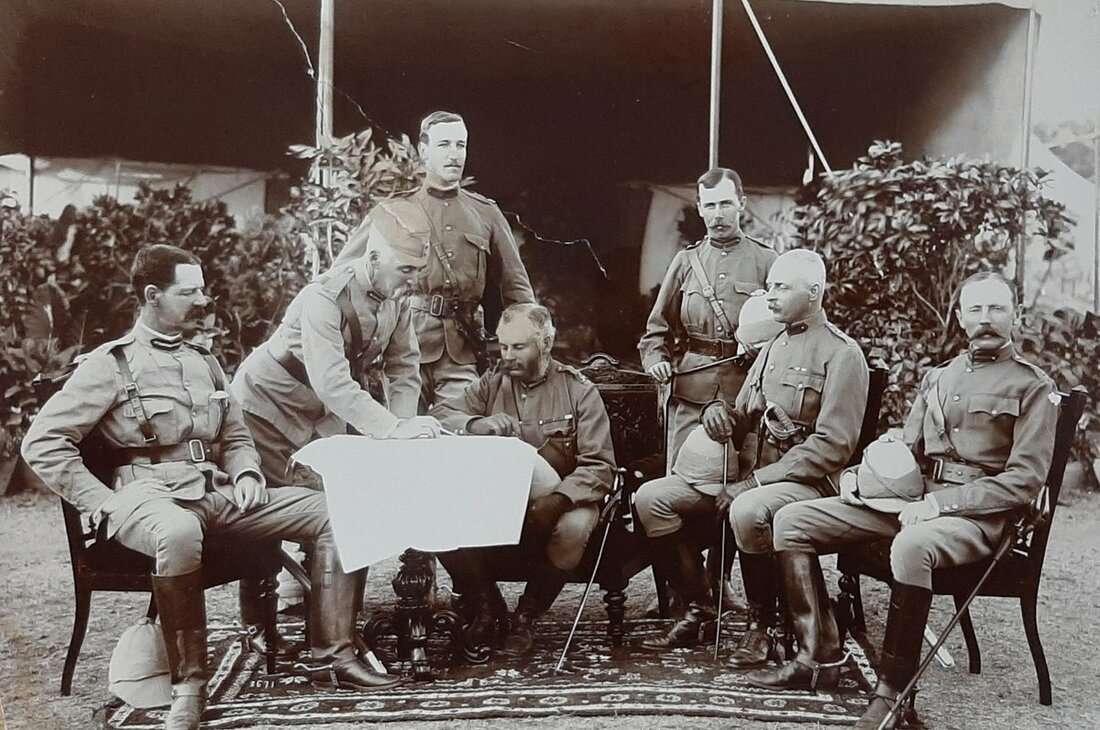
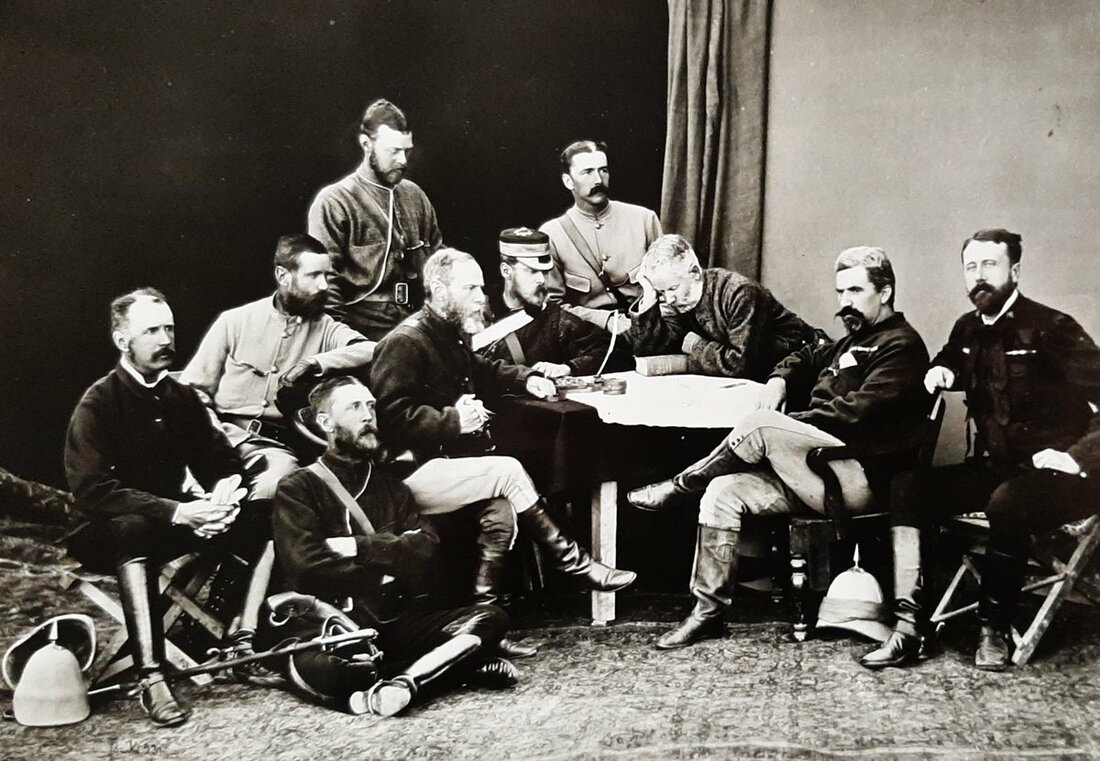
Appointed Inspector general of artillery in India on 1 October 1877 he served there until the outbreak of the Anglo Afghan War. Arbuthnot appointed Brigadier General with the Kandahar Field Force while commanding the artillery for the force. When hostilities recommenced in late 1879 he was appointed to the 2nd Brigade of the Khyber Division, responsible for keeping communications open between General Roberts' forces and India.
They saw near constant action being called upon to fend off harassing attacks as well as launching punitive expeditions in their own right. The Brigade was first deployed in an expedition against the Vazir Khugians, later transferring to the Hisarak District. Finally he oversaw operations in the Lughman Valley, the Minutes of Proceedings of the Royal Artillery Institution again provides remarkable insights into Arbuthnot's character during this time, stating:
'During a retirement, for instance, a flanking party on a height got hotly engaged and an officer was shot. The Brigadier-General was not satisfied until he scaled the height to the very summit, under a brisk fire, in order "to see for himself" how matters were going. Again, in the expedition to punish the Lughmanis, the rapid and dangerous river Kabul had to be crossed on inflated bullock hides a work that took a whole day in the full heat of the Afghan June. When the object of the expedition was accomplished and the troops began to recross the river on the rafts, the Lughmanis opened fire upon them. What happened may be told in the words of a War correspondent, Mr. Shadbolt, Barrister-at-Law ("Afghan Campaigns", historical division, 89-90):-all the troops had been got across "with the exception of sixty or seventy men and the picquets were withdrawn. Just as they were about to embark, however, the position they had hitherto held was suddenly occupied by the Lughmanis, who opened a heavy fire upon them. During the next half hour the situation of the detached party was a critical one; but General Arbuthnot eventually succeeded, by the exercise of admirable coolness and fertility of resource, in getting them across without mishap, the Brigadier himself being the last to quit the shore".'
His bravery during these operations again saw him 'mentioned' for his work and advanced to the K.C.B. in May 1881. Returning to Britain Arbuthnot was appointed Deputy Adjutant-general of artillery from 1 September 1880. Promoted Major-General on 16 July 1881 he continued to serve in this role until 31 August 1883 before being appointed Inspector General of Artillery on 1 September 1883. His final appointment in Britian was as President of the Ordnance committee on 1 May 1885.
Returning to India in 1885 Arbuthnot was appointed to command Bombay Army on 16 February. Transferring to the Madras Army on 9 December being advanced Lieutenant-general the next year on 1 April 1886.
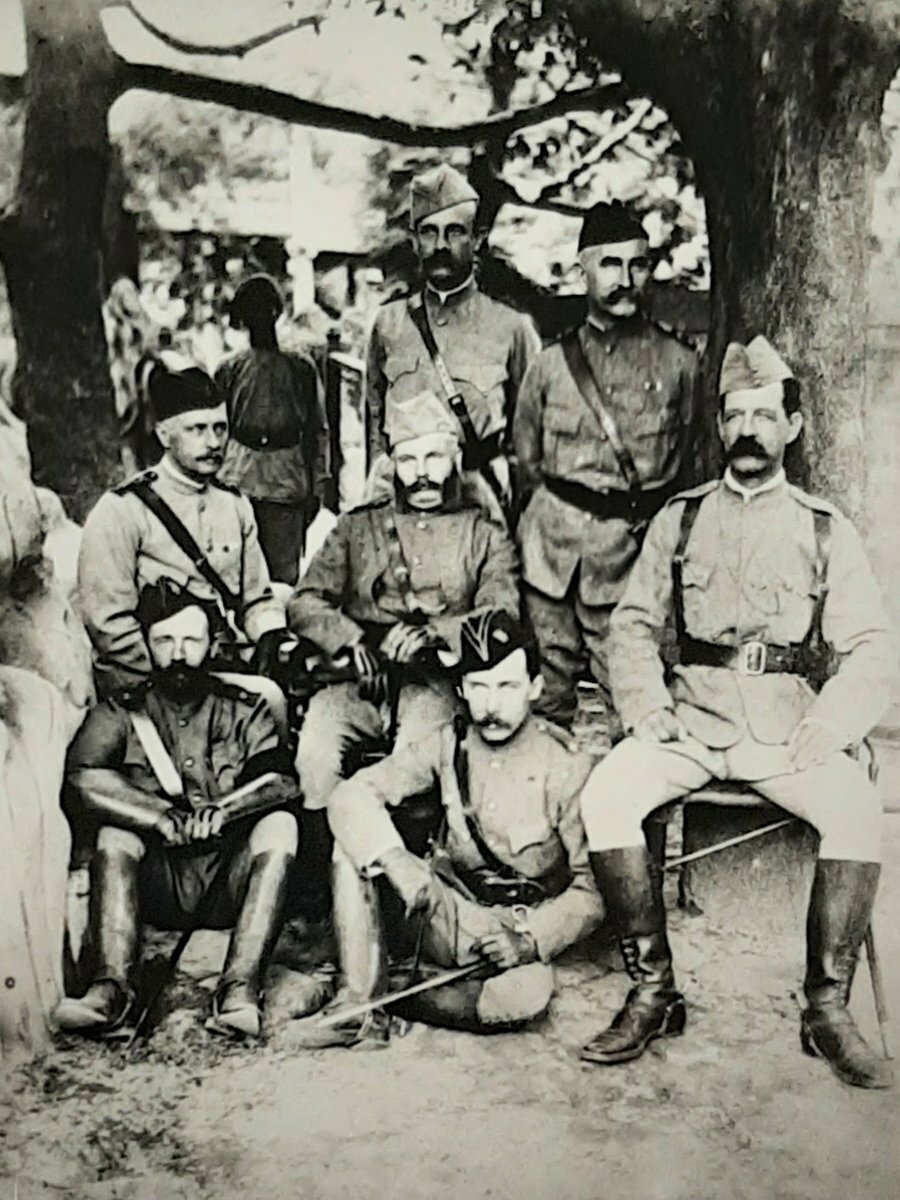
Succeeding General Lord Roberts in Burma in 1887, Arbuthnot was given responsibility for pacifying the country in the wake of the Third Anglo-Burmese War. This conflict was drawn out and bloody, involving a series of punitive expeditions in both Burma and the Chin Hills, the Adjutant General of India's Despatch to the Indian Government in 1887 awards Arbuthnot his final mention.
It was for the final campaign in the Burma that Arbuthnot found himself bestowing Britain's greatest honour upon one of his officers. When Surgeon Le Quesene was awarded the Victoria Cross for treating wounded officers under fire at the village of Tartan, Upper Burma it fell to Arbuthnot as his commander to present it. This he did at Rangoon on 19 January 1890 before joining General Gordon for the Chin Hills expedition, his final major campaign in Burma.
Advanced General on 31 July 1890 he continued to command Madras Army until retiring on 19 May 1891. In his retirement his close association to the Royal Artillery remained when he was appointed Colonel-commandant on 13 August 1893. Elevated to a G.C.B. on 26 May 1894 Arbuthnot died at home in Richmond, Surrey on 13 April 1899.
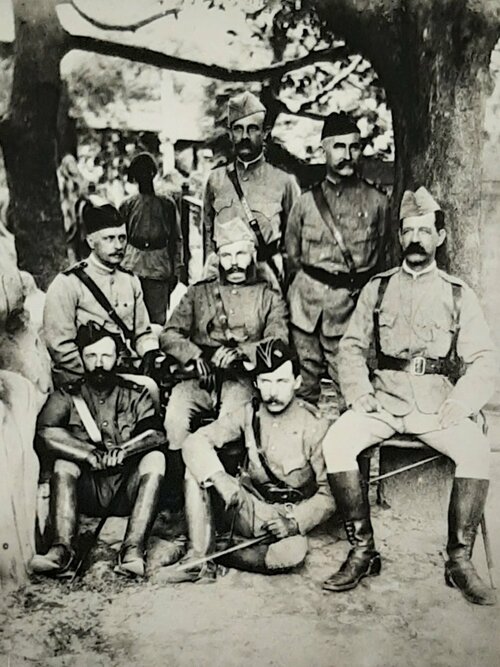
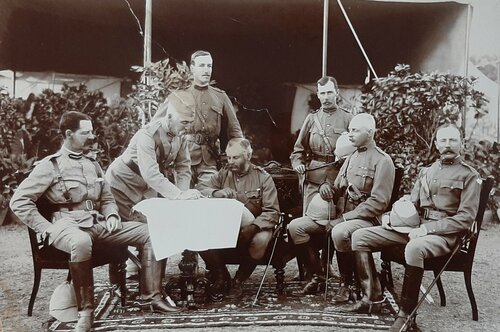
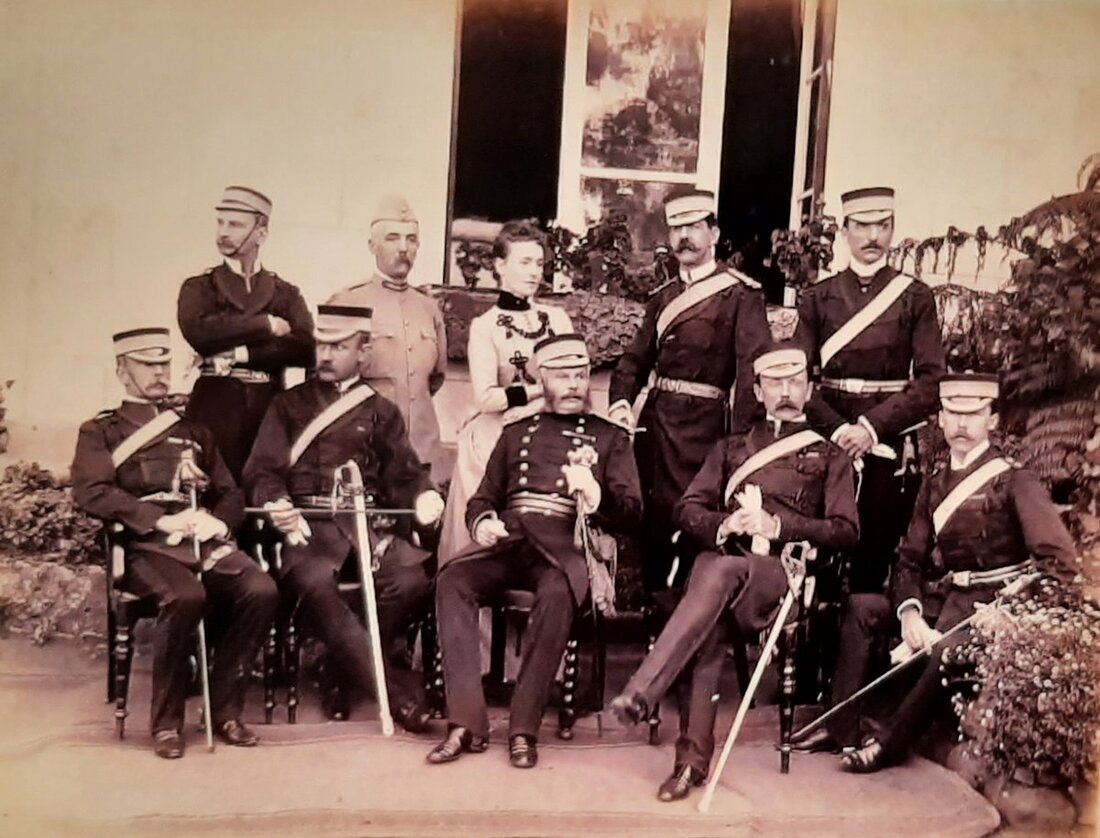
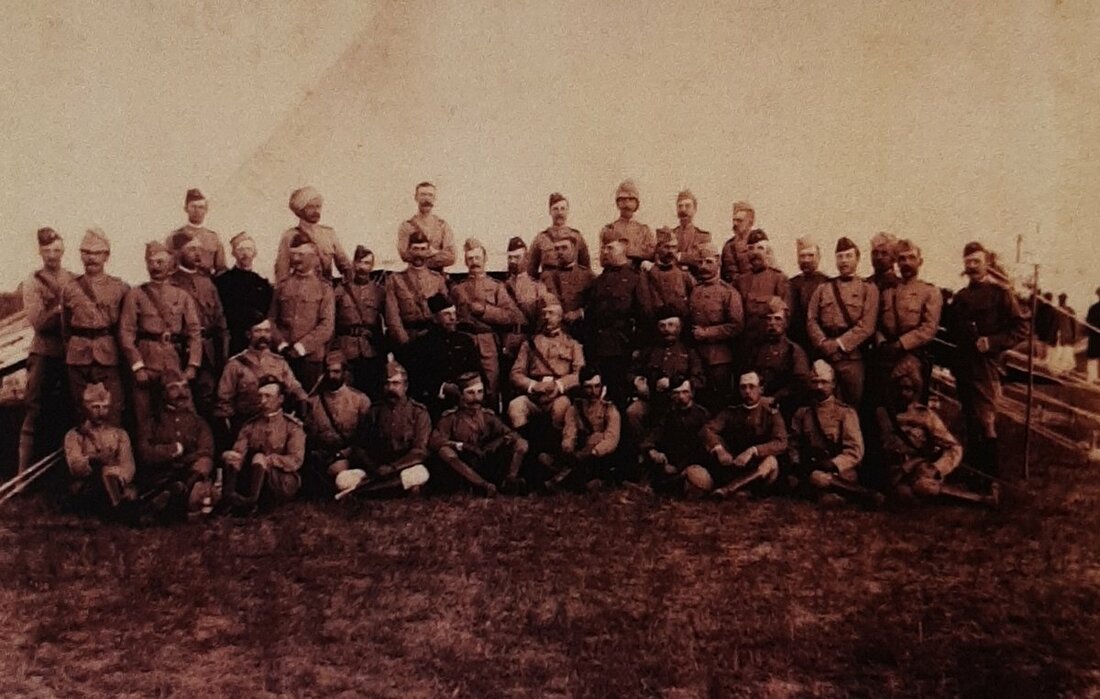
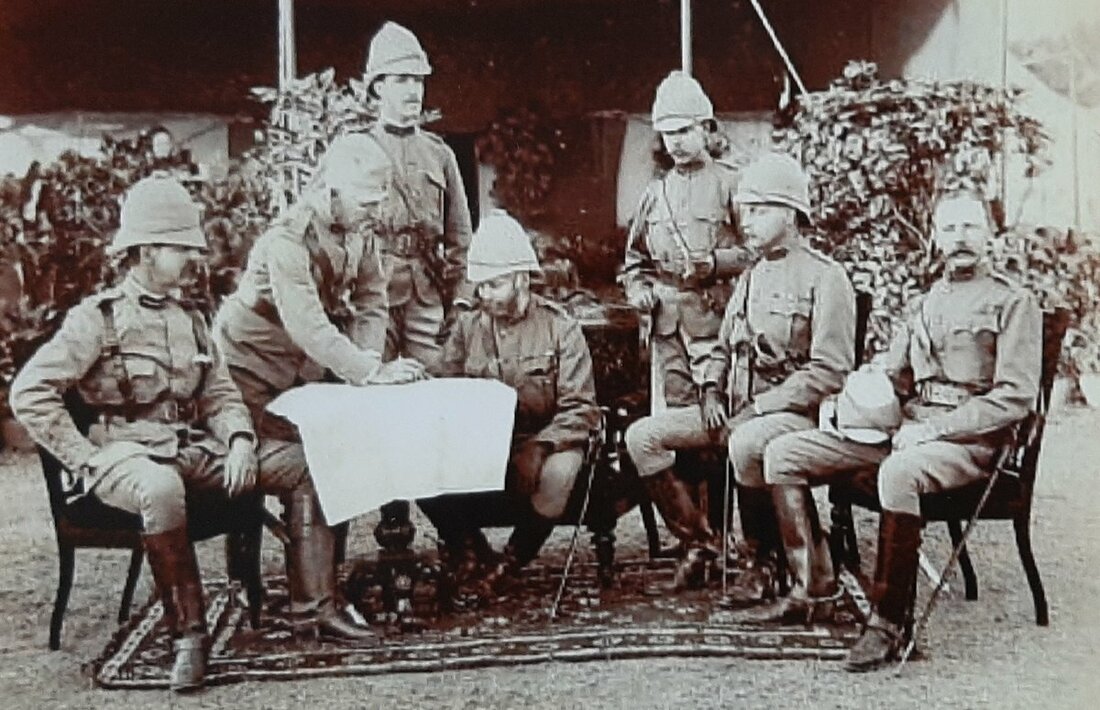
He was survived by his wife and children including his son Alexander George Arbuthnot, also a member of the Royal Artillery who won the D.S.O. in 1915 and the Serbian Order of the Karageorge in 1917; sold together with an impressive archive of copied research and photographs.
Subject to 5% tax on Hammer Price in addition to 20% VAT on Buyer’s Premium.
Sold for
£3,000
Starting price
£2500
Watch, listen and bid as if you were in the room. Now available for auctions worldwide.
Click here to bid live
An exclusive and confidential service for the discerning collector or vendor.
View the Gallery
Download every Spink catalogue on your iPad, iPod or iPhone using free Spink app.
Download From iTunes© 2026 Spink & Son. All rights reserved.