
Auction: 26776 - America 250th Anniversary Sale Ft. Coins, Medals, Banknotes, Objets de Vertu & Ephemera
Lot: 157
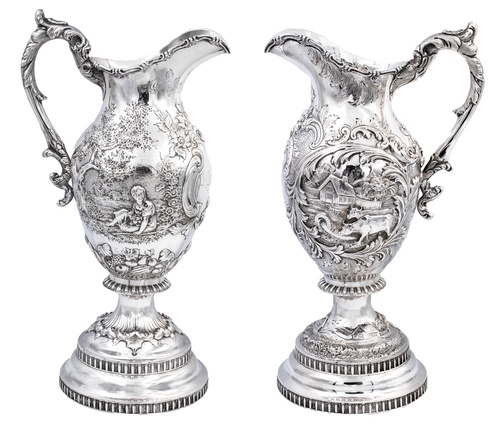
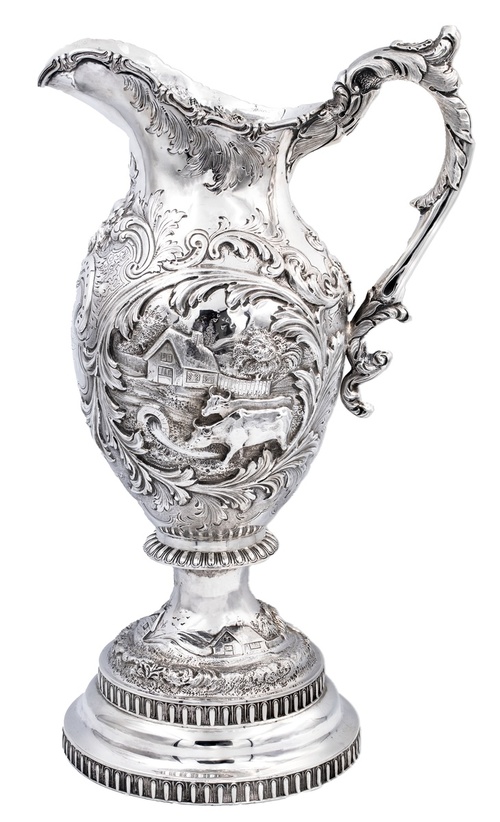
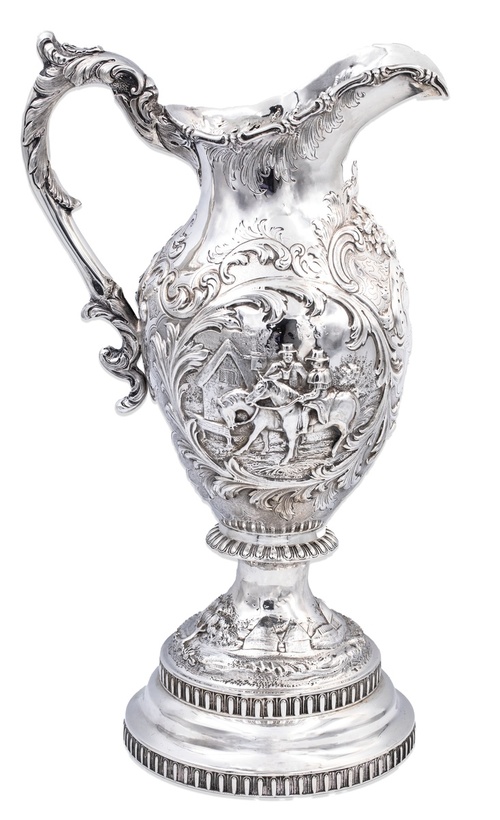
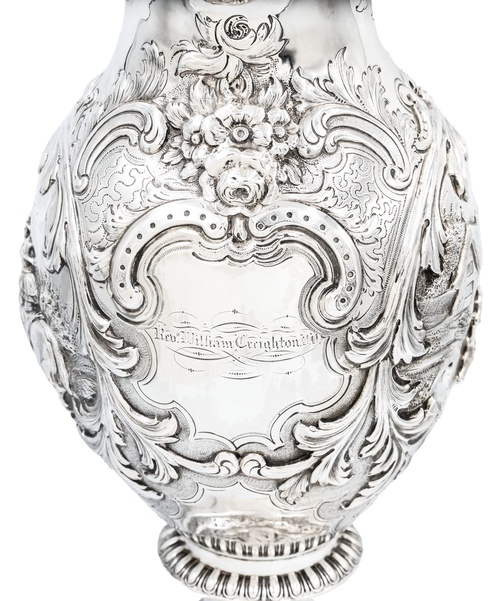
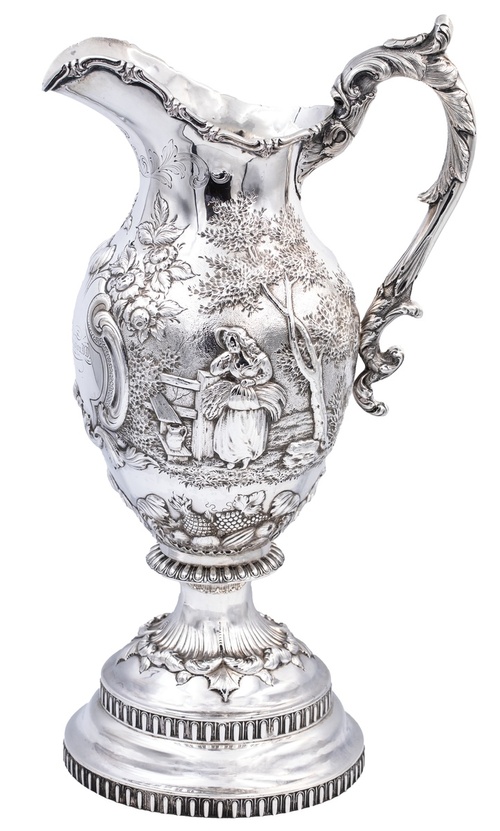
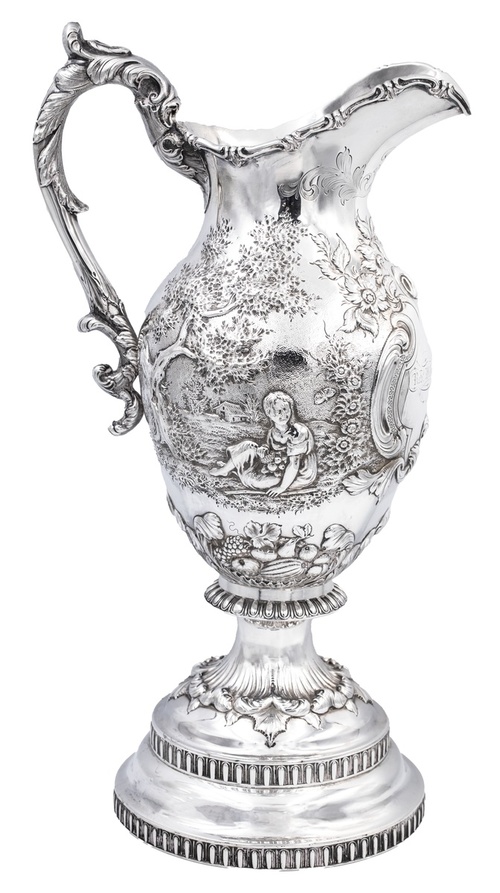
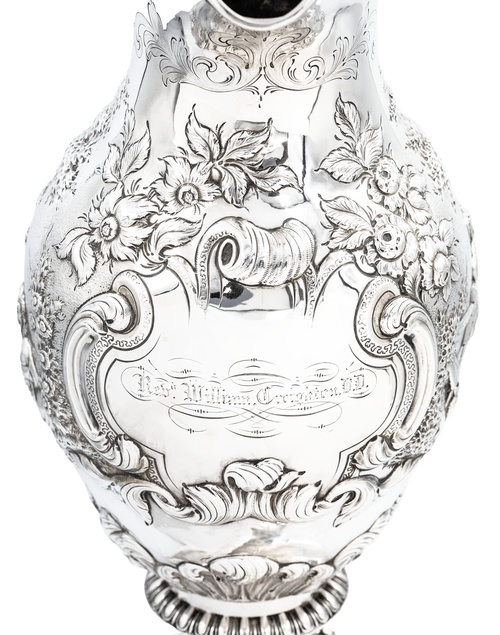
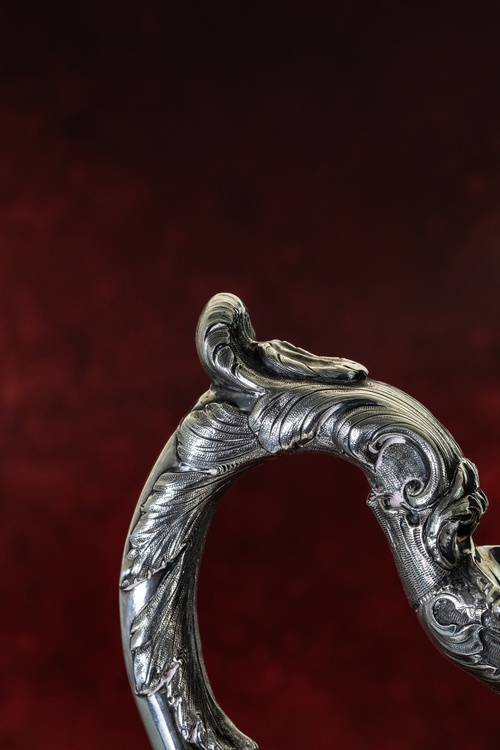
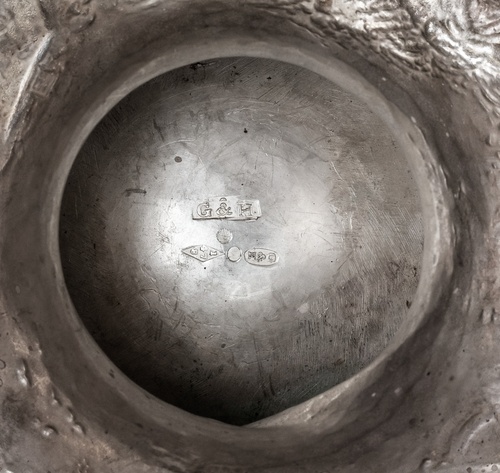
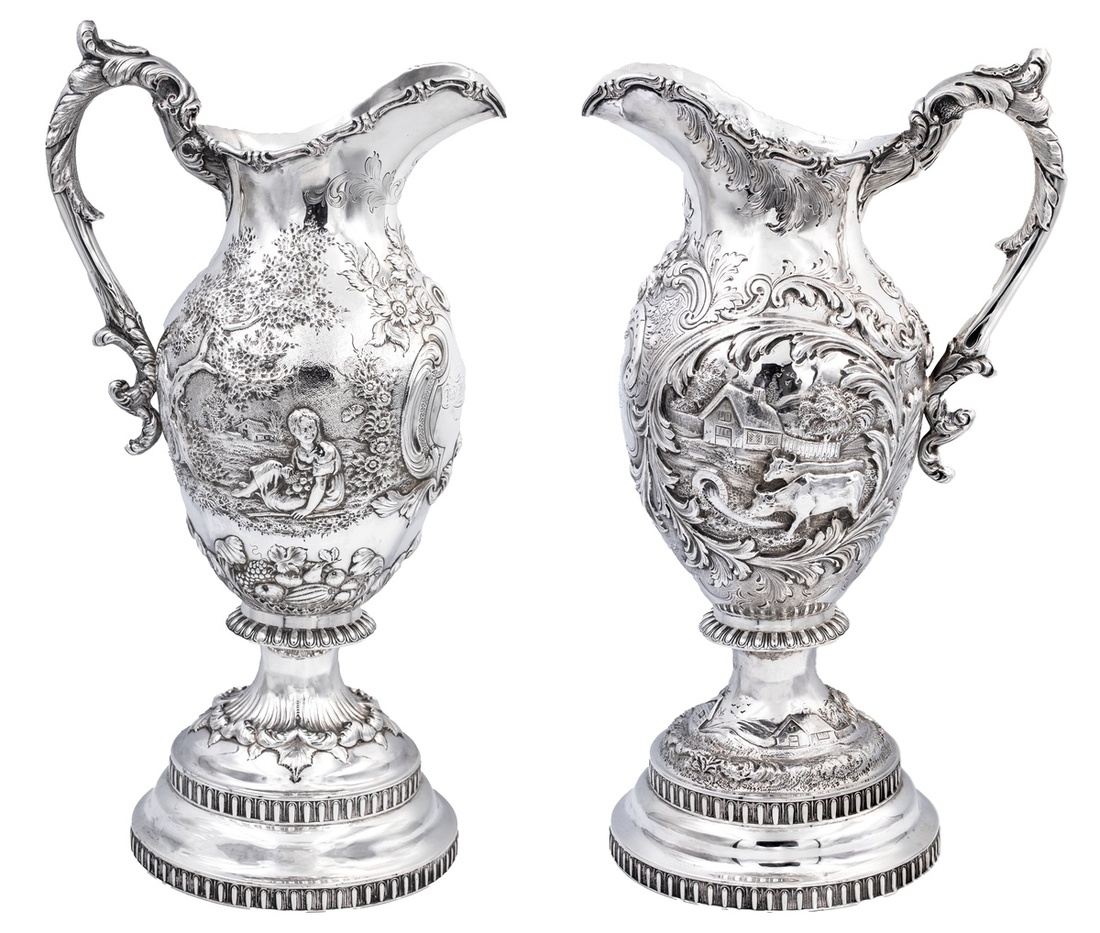
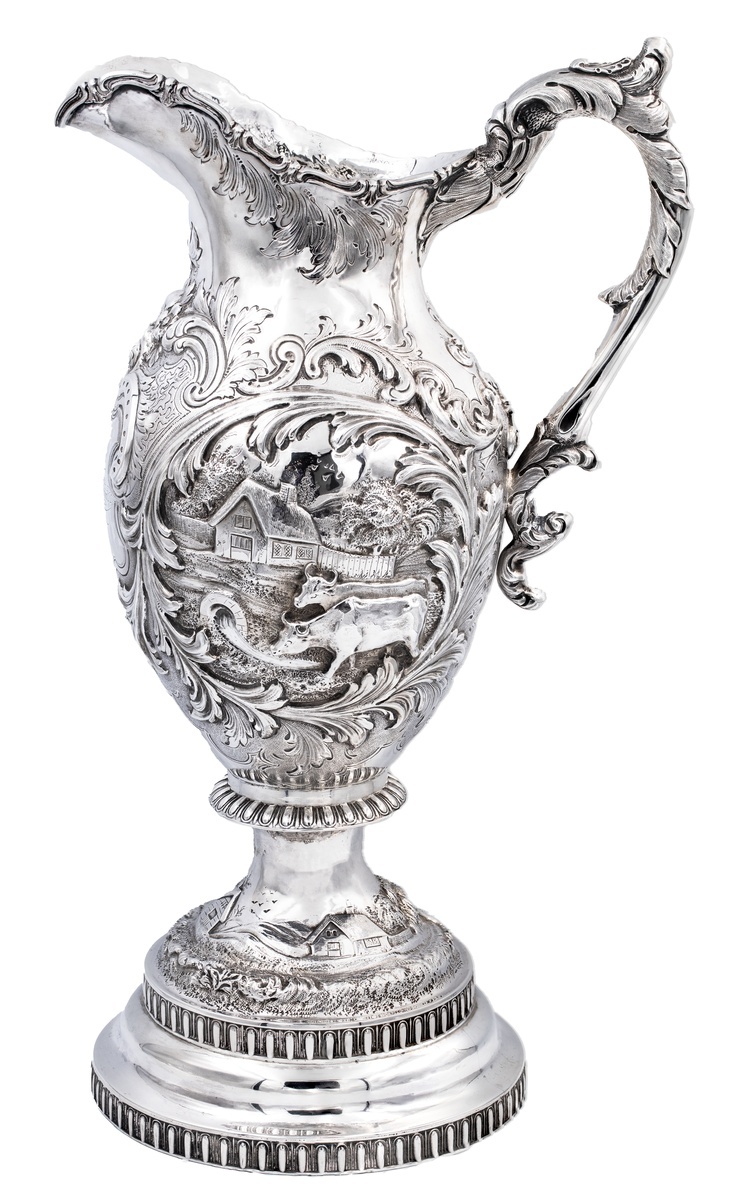
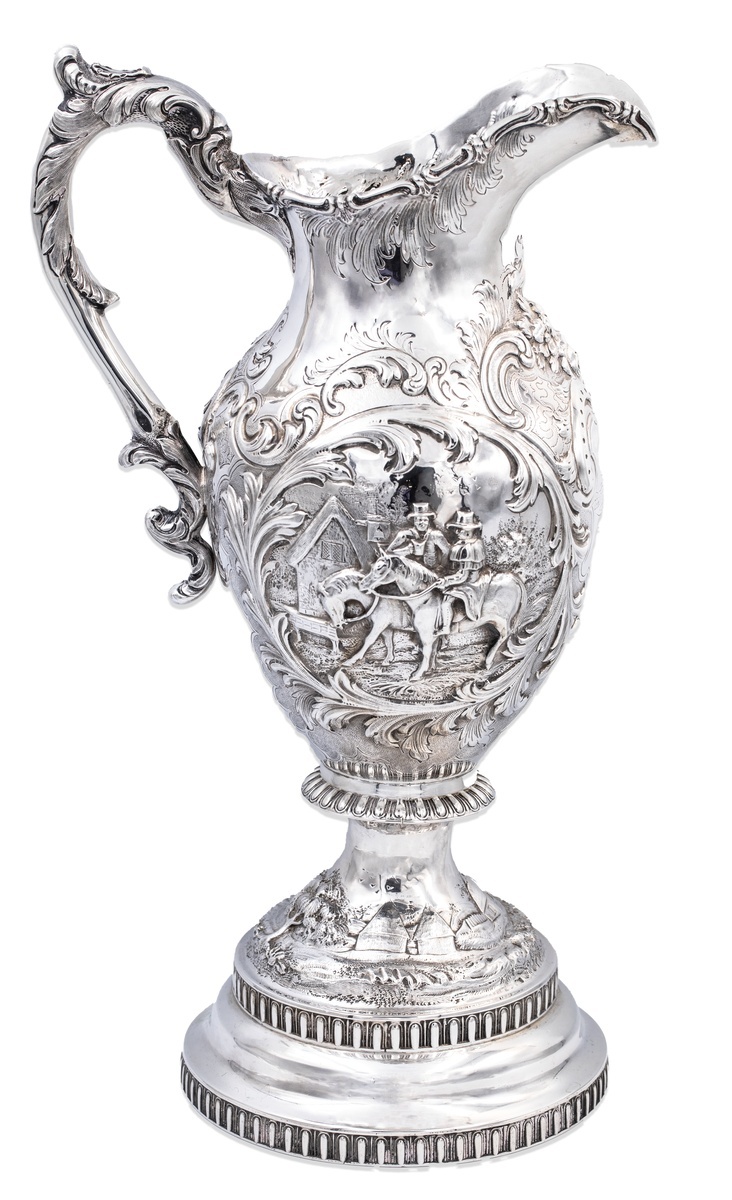
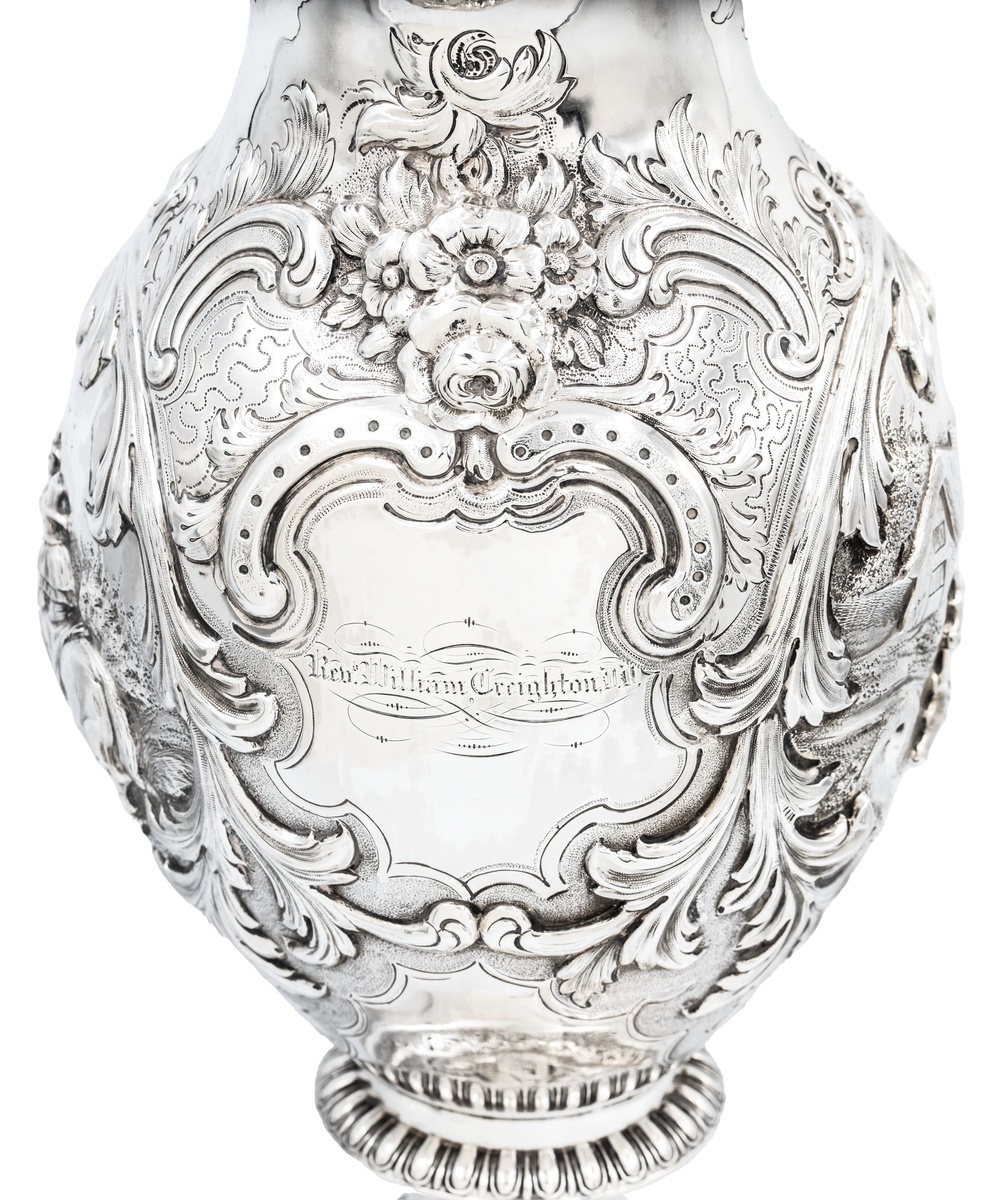
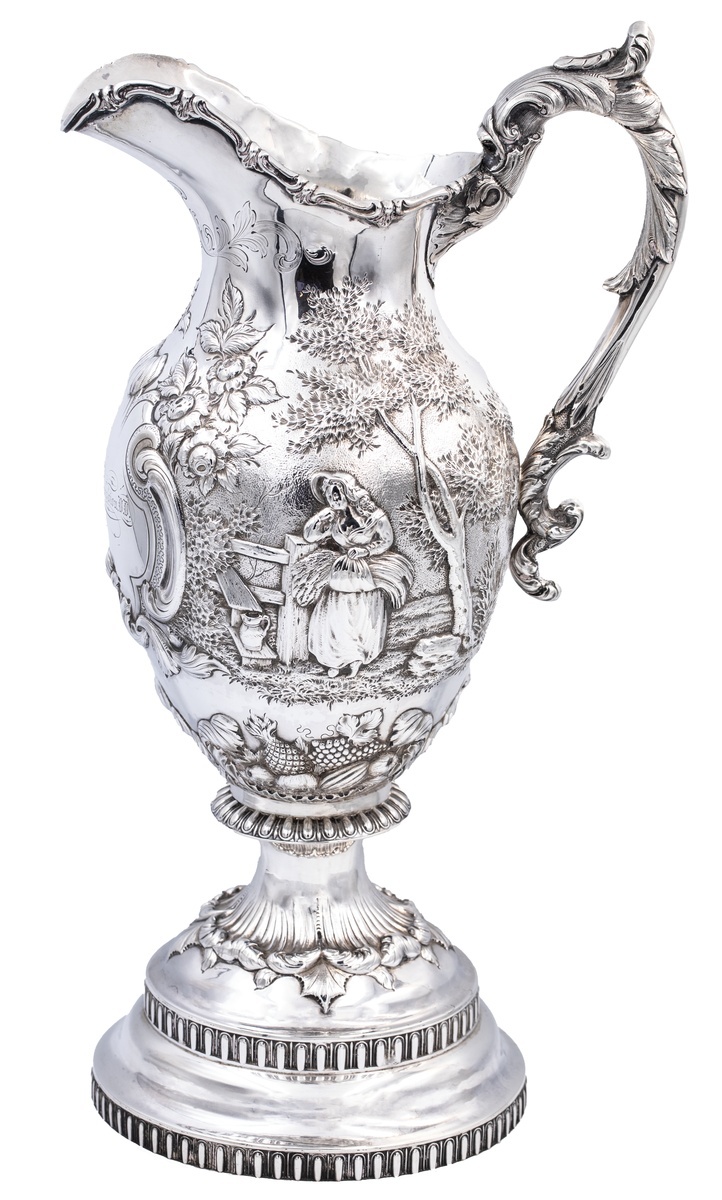
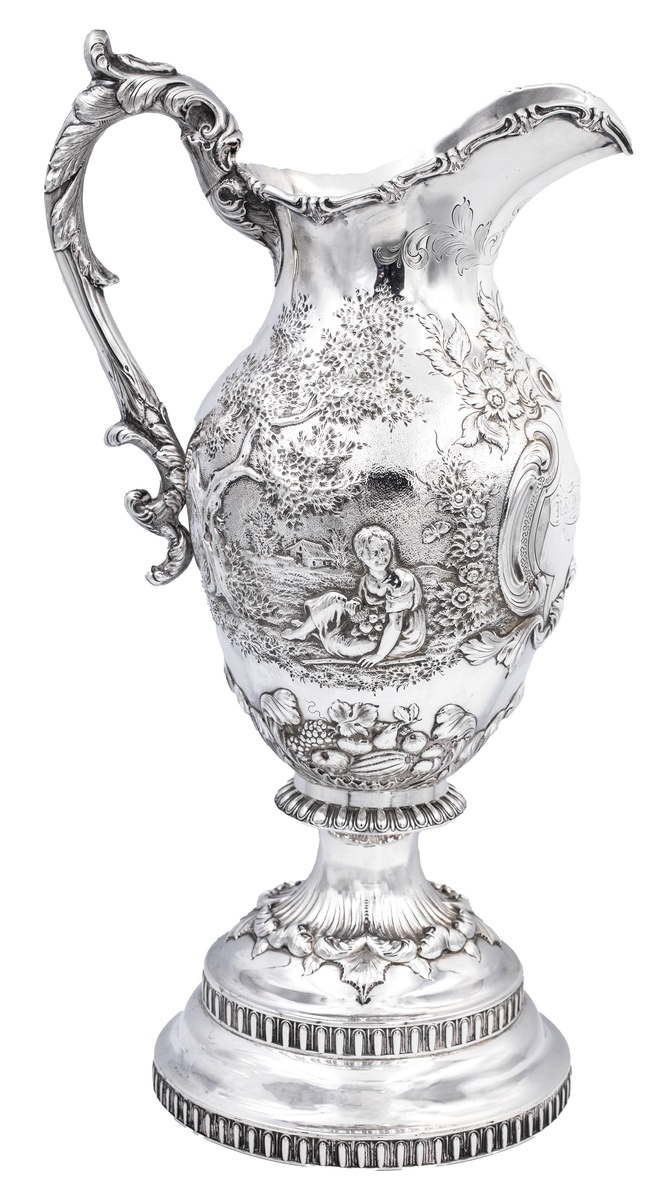
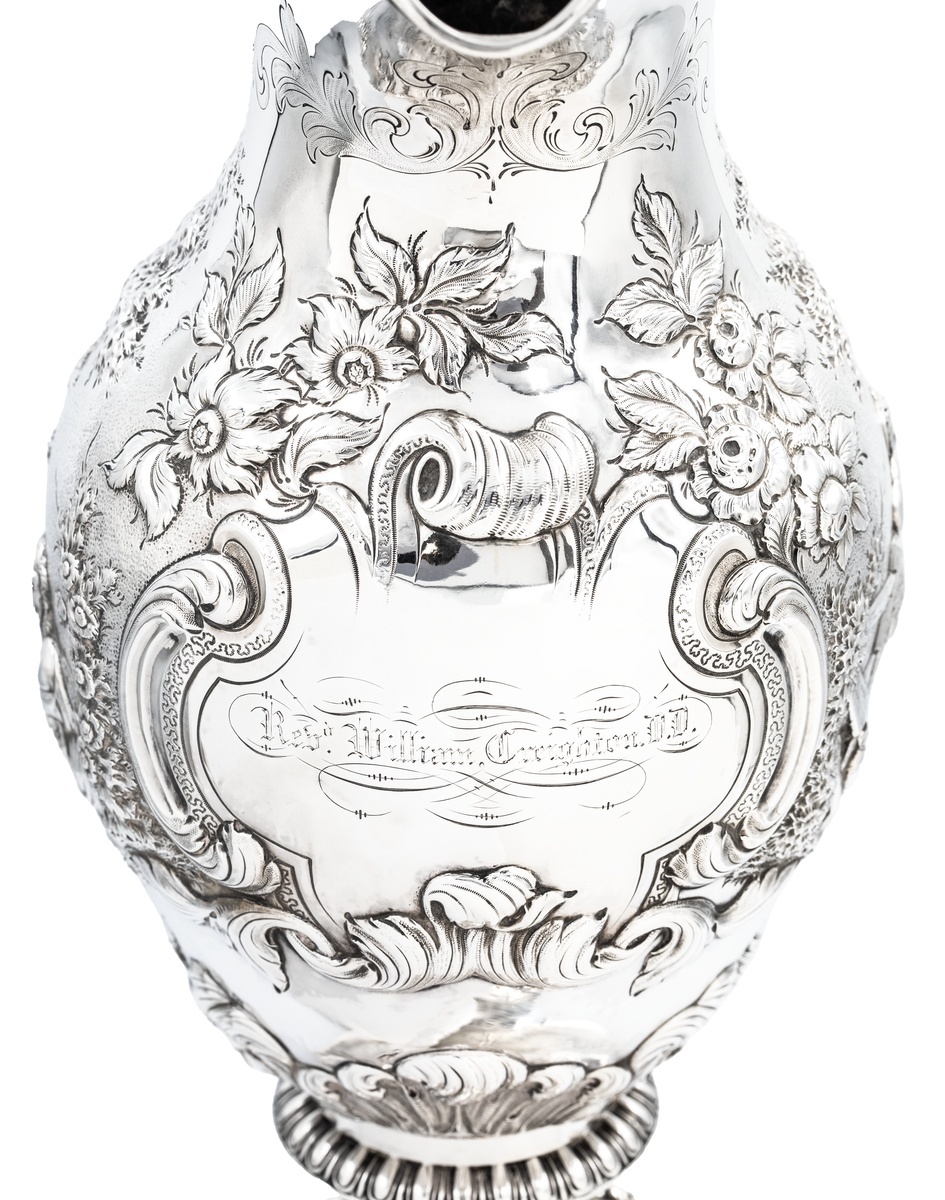
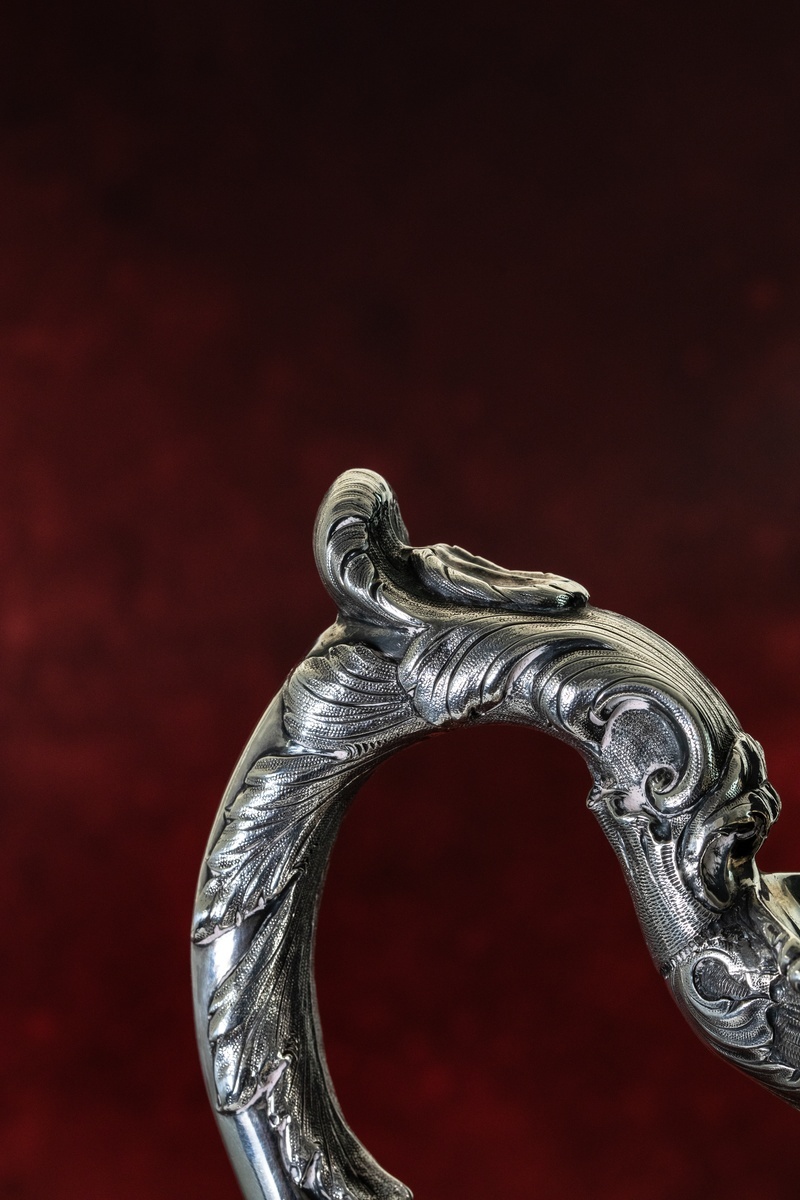
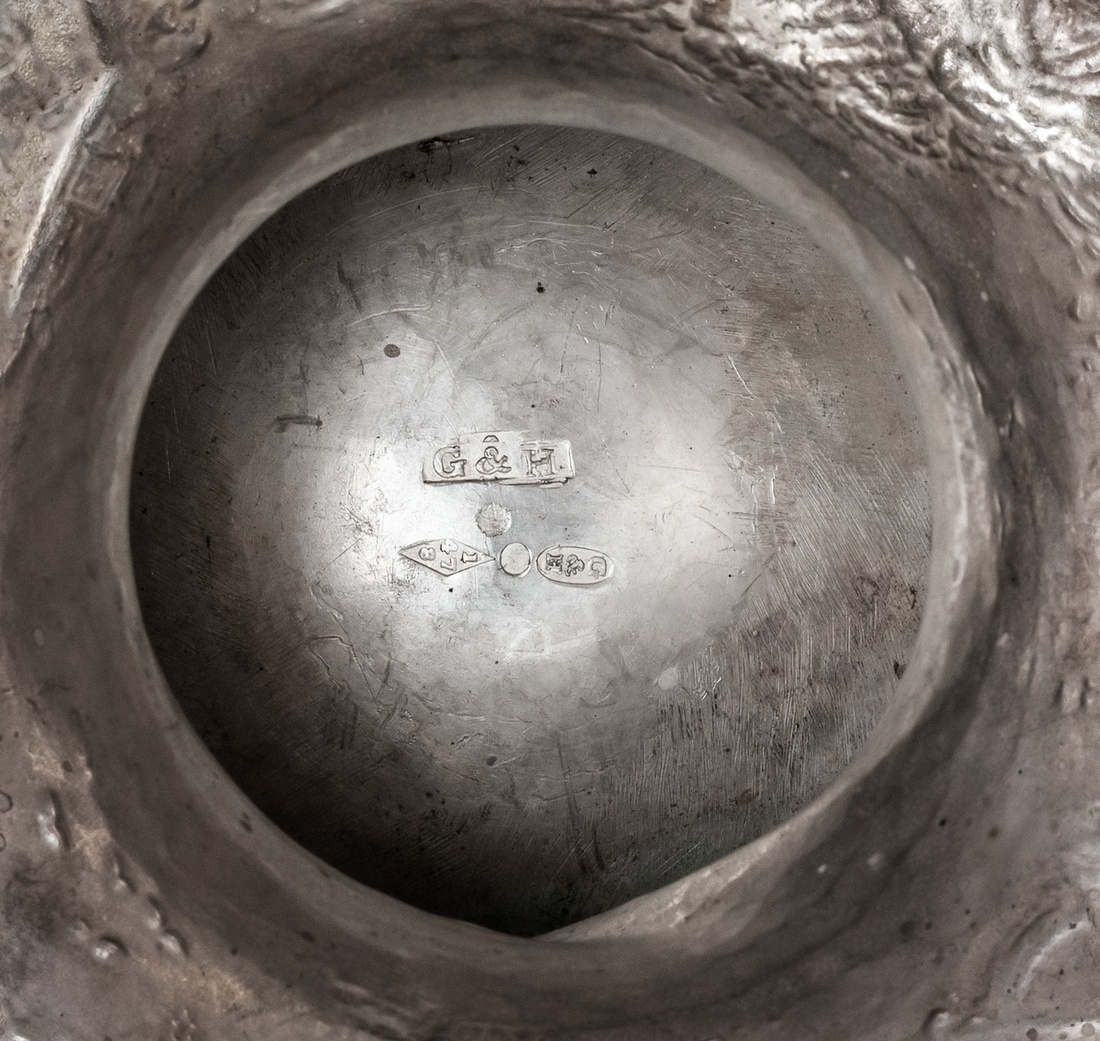
USA, Gale and Hayden Pair of Presentation Coin Silver Ewers, New York, 1847, presented to Reverend William Creighton D.D. (1793-1865), the first of baluster form with chased repoussé acanthus leaf design, naturalistic acanthus-capped handle, two cartouches showing pastoral scenes of early America: two cows drinking at a stream: two people on horseback in traditional dress. Central cartouche inscribed Revd. William Creighton, D.D., the base also depicting a rural farmstead scene, 40cm in height, 1.48kg; the other of baluster form with chased repoussé floral design, naturalistic acanthus-capped handle, showing pastoral scenes of early America: seated female figure with butterfly: woman standing holding bale of hay. Central cartouche inscribed Revd. William Creighton, D.D., the base with a floral and scroll pattern, both with egg-and-dart bands, both marked G & H and 1847 within diamond under base, 42cm in height, 1.42kg, some polish residue in more intricate areas, both with occasional small dents and pin dents from general wear, most notably to larger inscribed cartouche, commensurate with age. Of intricate and masterful design, produced during a short-lived partnership by one of America's most innovative silversmiths of the 19th century. Further, the depiction of idealised rural scenes encapsulates the country's interest in such subject matter and quest to establish an American pastoral ideal, at a time of rising urbanisation
Provenance
~ Creighton Family Archive ~
Sold by direct family descent
One ewer, itemised as Pitcher "Rev William Creighton D.D.', listed in the will of Rev. William Creighton of Westchester, New York, 1865, at a value of $55.00
This pair of decorative presentation ewers were produced by silversmiths William Gale (1799-1867), of New York City, and Nathaniel Hayden (1805-1875), of Connecticut and South Carolina, who were in partnership between 1845-1850 and operated from premises at 116 Fulton Steet in New York City. Gale is arguably the more well-known of the two and is remembered for his innovative 1826 patented steam-powered process for manufacturing flatware. The process involved rolling a thick sheet of silver through a machine which had been die sunk, like a coin. The sheet would then emerge as a piece of flatware with a pattern to each side. In 1847 the pair patented their "Gothic" design which incorporated quatrefoil, trefoil, moulded tracery and pointed arch elements. This design is often seen on spoon handles. Notably, Gale also went on to produce silverware that was retailed by Tiffany & Co; these pieces bearing both the mark of Gale and Tiffany.
Throughout Gale's career he partnered with several other silversmiths, latterly with his son, William Gale Jr, after the completion of his apprenticeship. They worked together between 1850-1866, after which William Jr partnered with a number of others before eventually selling the business to Dominick & Haff, one of New York's leading silver manufacturers, until the firm closed in 1928.
The span of Gale's career marks the transition in American silverware from preindustrial craftmanship to the mechanised world of the later 19th century. It is therefore perhaps not surprising that the impact of such transition, felt by urban America, is documented in the subject matter which pervades Gale's work and is seen so clearly in this pair. Like other American artists and craftsmen of this era he was inspired by the pastoral ideal. Key players within this craze were the Hudson River School, also based in New York. They helped to establish a vision of the American landscape as a romanticised and rural land, where people and nature coexisted peacefully in an imagined preindustrial age.
By the middle of the century, the rococo revival style was the most popular style in American silverware. Inspired by elements of the natural world and fluidity, compared to previous heavier styles, this characterised itself in this medium by the presence of high relief design and excessive ornamentation, including "engraving, chasing, stamping and above all repousse', all of which is seen in great abundance on both ewers.
Not only are these ewers therefore a reflection of contemporary fashion, but this was also a period when a great number of presentation silver pieces were produced. Traditionally in America, gifts in silver had been used to mark personal events such as birth, death and marriage and public and professional achievements.
It is likely that both ewers were presented to William Creighton upon his appointment as president of the Convention of the Diocese of New York, a position he held between 1845-1852.
Both pieces are marked 1847 and although slightly differing in size, it would seem appropriate that both were presented as a pair. Why only one of them is listed in William's household at the time of his death in 1865 is unknown. However, as both pieces have remained in the family until today, it is likely that one of the pieces was residing with another Crieghton relation at this time.
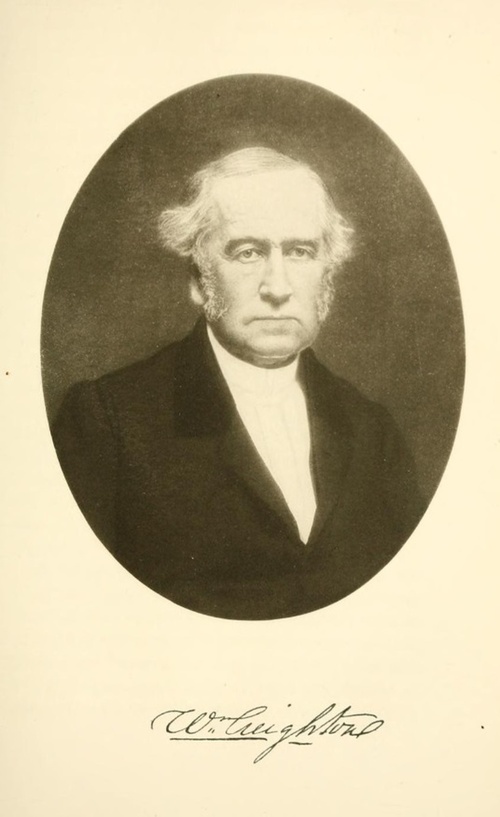
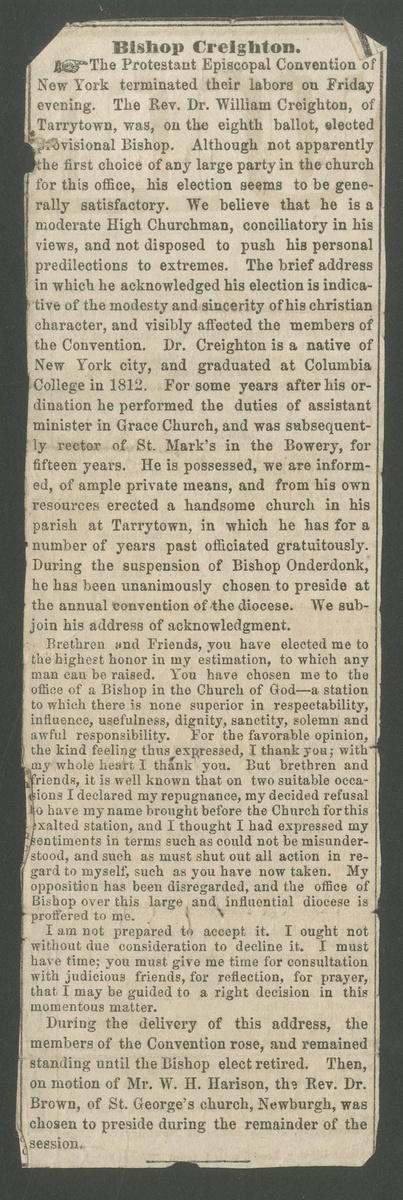
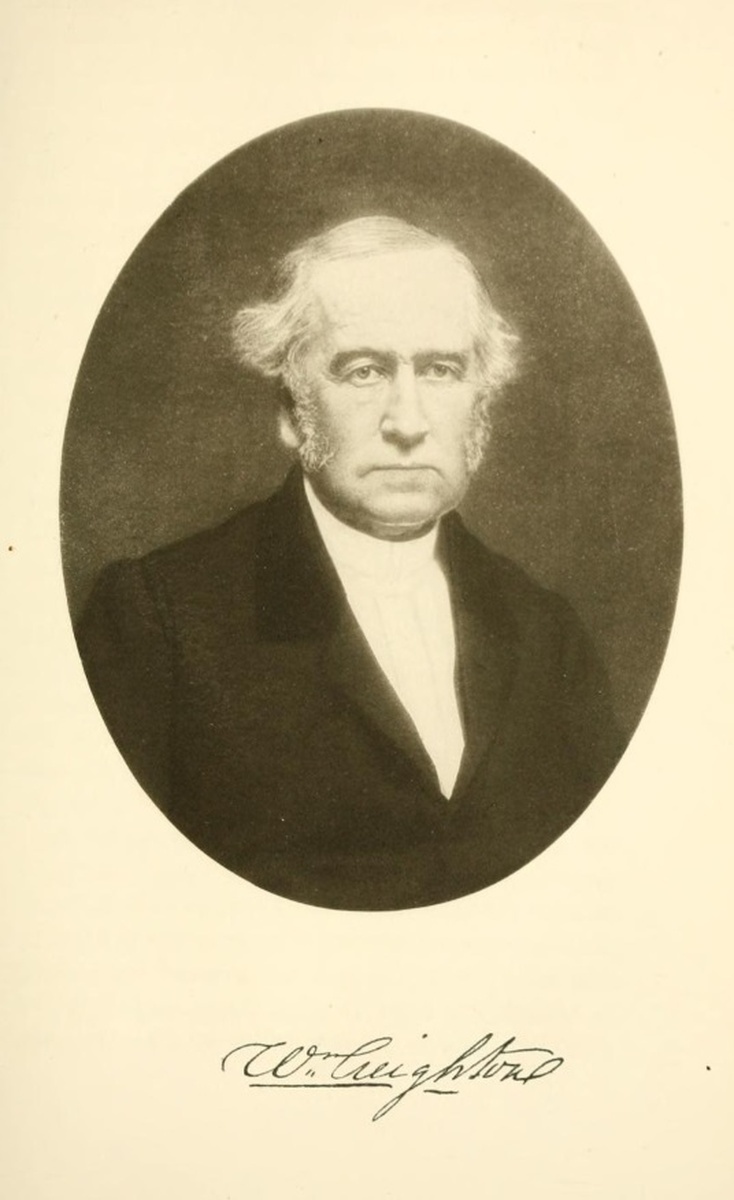
Born in New York on 22 February 1793, William Creigthon was the youngest of four sons born to James Creighton (1751-1822) (see lot 155) and Anna Maria Creighton (née Ogden) (1753-1798). Like his father, he was educated at Columbia College and graduated in 1812 with in degree in Theology. In 1815 he was made a deacon by Bishop Hobart and became the assistant minister of Grace Church, New York. In 1816, he was appointed rector of St Mark's Church in the Bowery, a position he held until 1836. In 1828, he was made a trustee of the college and in 1830 the college conferred the degree of Doctor of Divinity upon him.
Despite so many professional achievements, William and his wife Jane (née Schermerhorn), faced several personal hurdles. They had a daughter who died in infancy. Then, in 1823, Jane was advised to retire to the country due to poor health. In 1830, it was suggested to William that a sea voyage and a change in climate was what he needed to overcome recurring bouts of ill health. The decision was made to spend a year in Europe, and he was granted $500 by the church towards his expenses, a decision which may not have been afforded to a lesser respected figure. At his resignation from St Mark's in 1836 he wrote, "Having decided to reside for the future out of the city, I herewith tender to you my resignation of the office which, as rector of St. Mark's Church for almost twenty years, I have had the honor to hold."
He retired to Beechwood, his residence on the banks of the Hudson River. In the same year he took up positions as rector of Zion Church, Greenburgh, which he held until 1845. He also helped to found Christ Church, Tarrytown, for which he acted as rector to until his death and which he never took a salary for.
In 1845, he was elected president of the Convention of the Diocese of New York and was re-elected every year until 1852. He was also chosen as president of the House of Clerical and Lay Deputies of the General Conventions of 1853, 1856 and 1859.
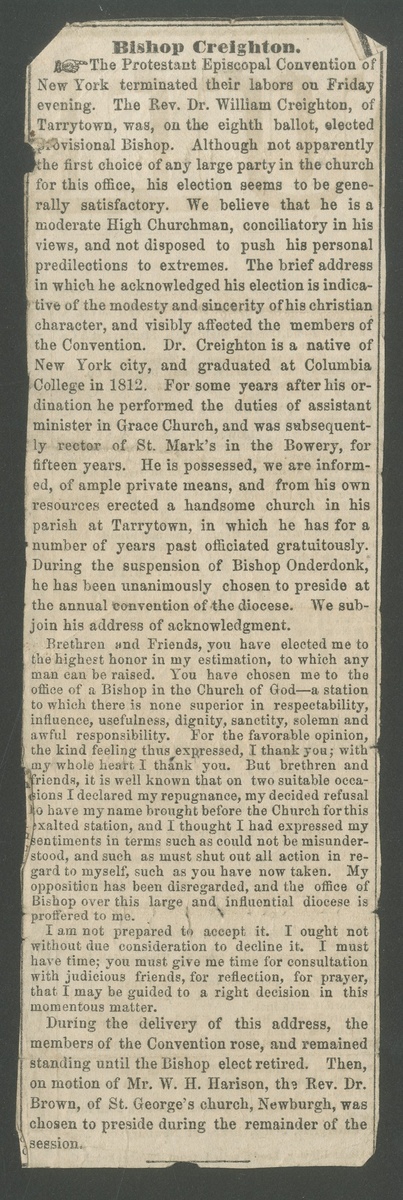
The greatest honour was bestowed on him in 1851, when he was elected provisional Bishop of New York. However, he declined the honour due to family circumstances. An obituary published at his death talks of his humility and good nature shown at the time of his election. It reads, 'The brief address in which he acknowledged his election is indicative of his modesty and sincerity of his Christian character, and visibly affected the members of the Convention'.
Despite declining heath in his later years, he continued to preach to his congregation right up until his final few months. He died on 23rd April 1865, aged 72, and was buried under the chancel of St Mary's Church. He is remembered as being of quiet and cheerful disposition and was a highly respected preacher of calm and logical character. The success he achieved in his career and the esteem expressed towards him by his congregation and colleagues time and time again speaks to this.
Subject to 20% VAT on Buyer’s Premium. For more information please view Terms and Conditions for Buyers.
Estimate
$8,000 to $10,000
Starting price
$6000
Watch, listen and bid as if you were in the room. Now available for auctions worldwide.
Click here to bid live
An exclusive and confidential service for the discerning collector or vendor.
View the Gallery
Download every Spink catalogue on your iPad, iPod or iPhone using free Spink app.
Download From iTunes© 2026 Spink & Son. All rights reserved.