
Auction: 26066 - Historical Documents, Autographs and Ephemera
Lot: 1184
Great Britain
Duke of Wellington / Peninsular War etc
General Frederick Maitland (1763-1848)
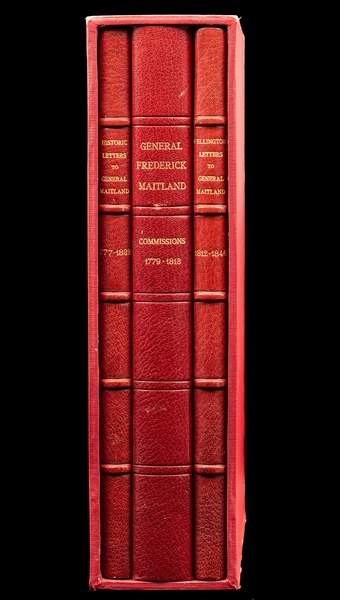
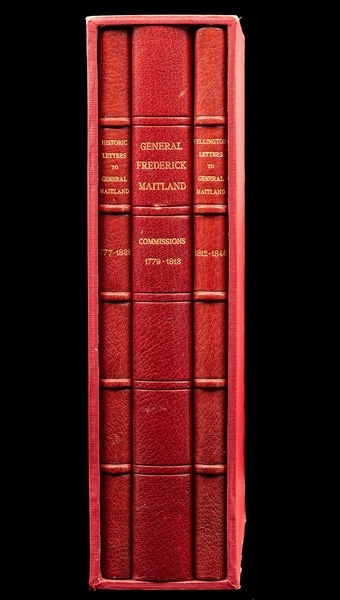
1777-1846 The most important private papers of General Frederick Maitland, superbly archived and bound in two half red leather volumes and a box file, each elegantly titled in gilt on the spine and front. Maitland was to become Governor of Grenada and Dominica.
"LETTERS FROM THE DUKE OF WELLINGTON / 1812-1846."
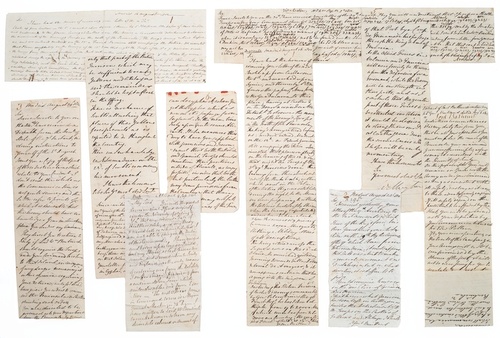
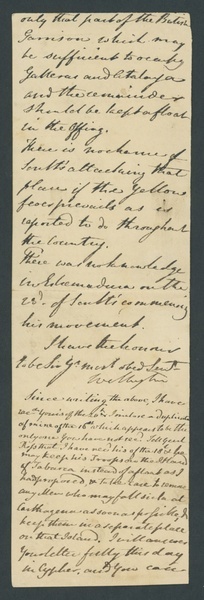
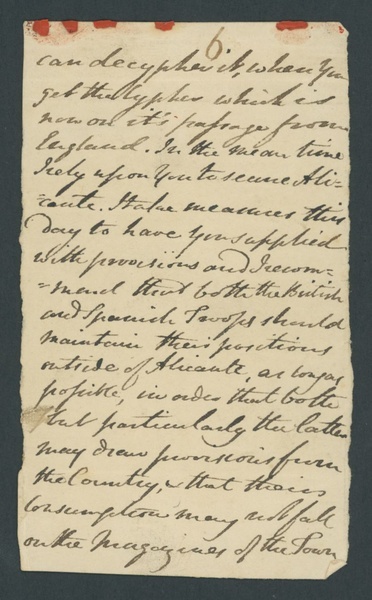
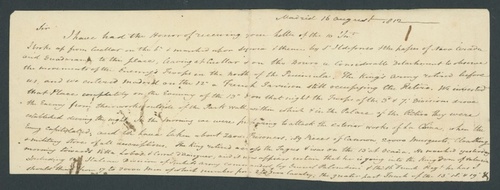
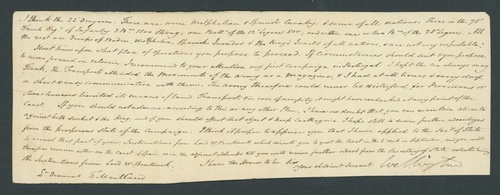
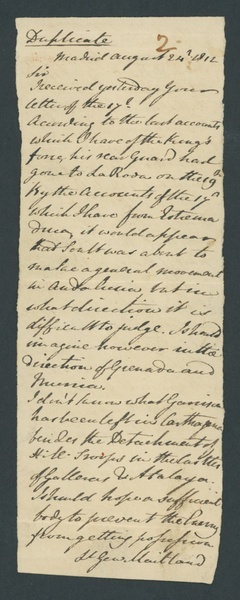
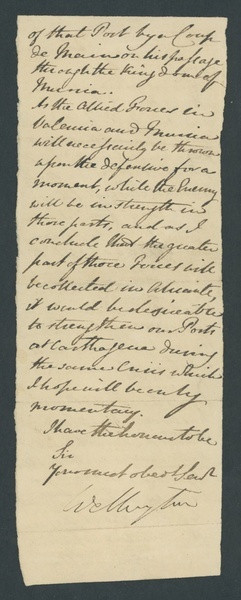
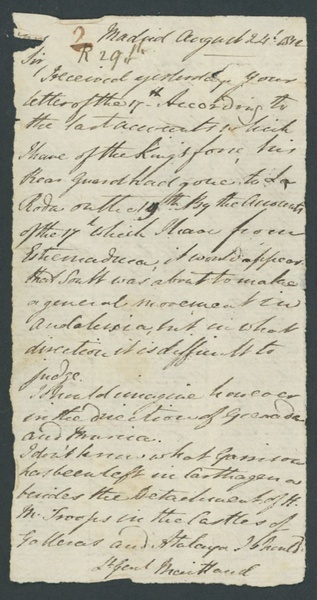
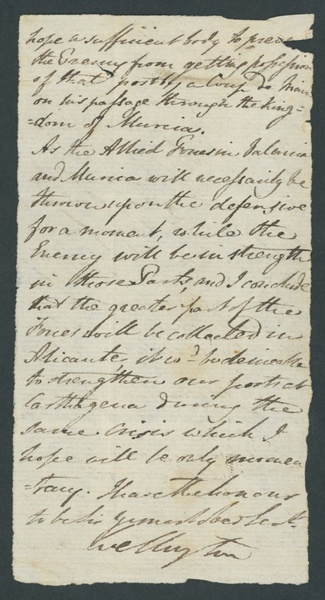
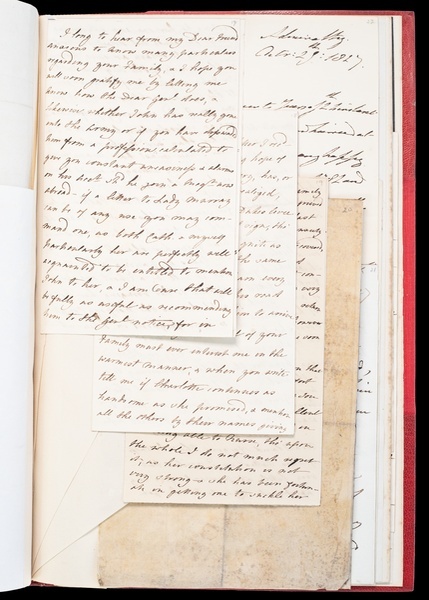
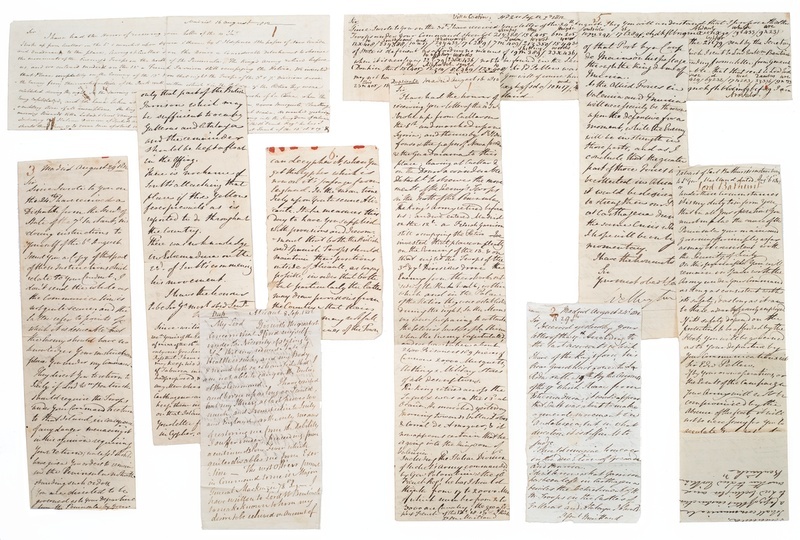
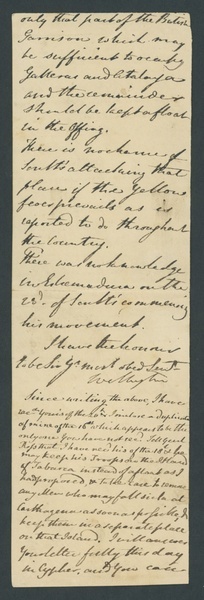
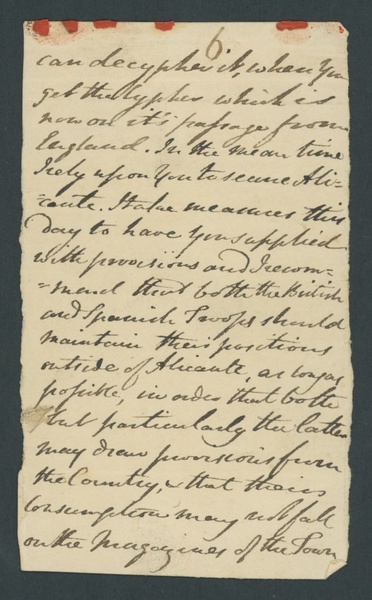
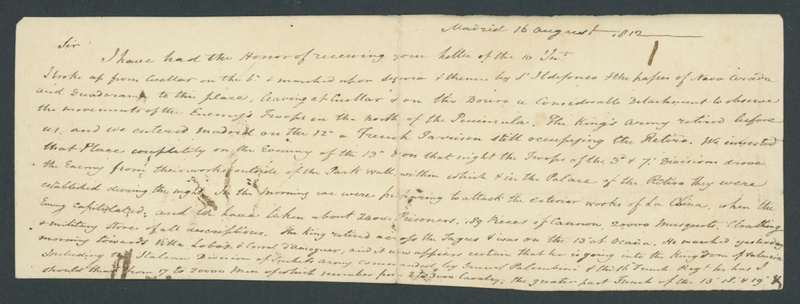
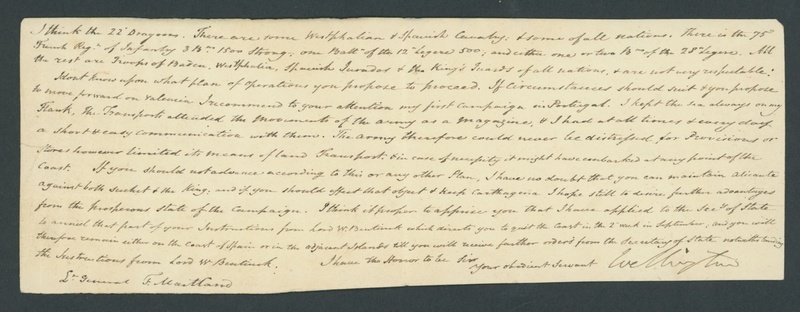
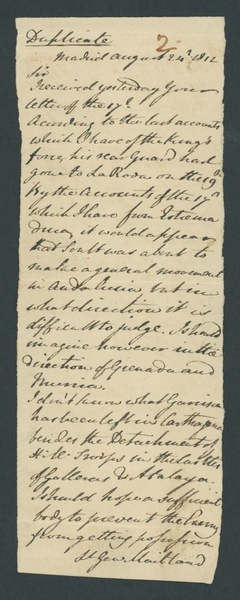
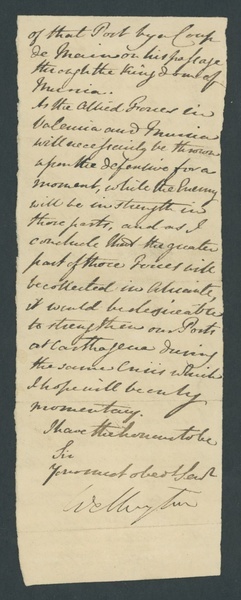
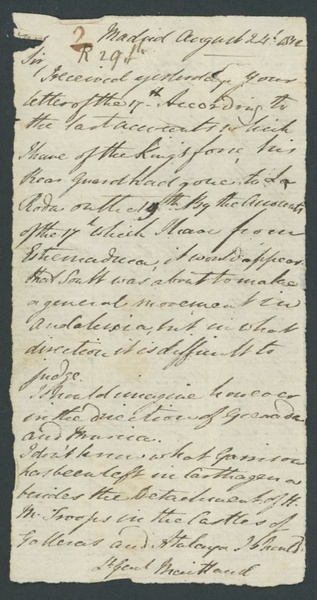
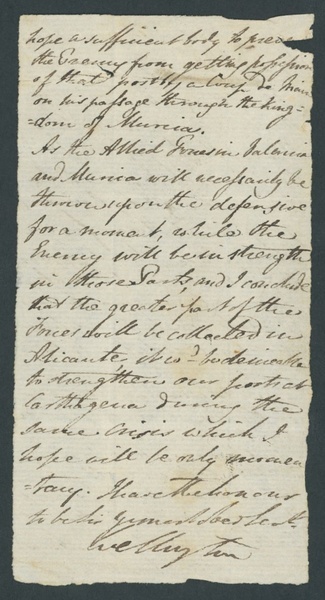
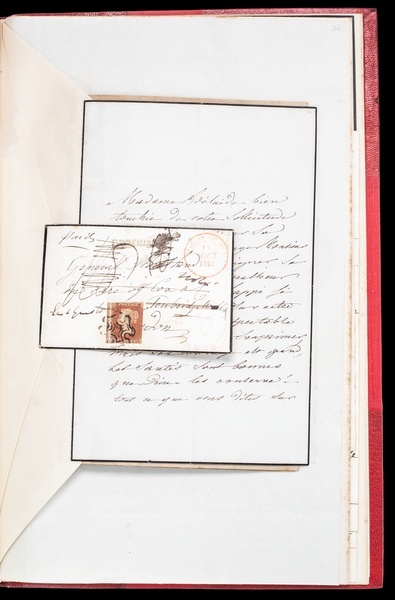
General Maitland fought in the Peninsular War. In an envelope are ten strips of paper (60mm x 250mm at the longest) of messages from Wellington to Maitland, six signed by Wellington, dated from 6th August - 2nd September 1812, following the Battle of Salamanca on 22 July. This decisive battle saw the defeat of French forces by a combined Anglo Portuguese Army, and the liberation of Madrid on 12th August. These significant military despatches (carried by Army messenger or despatch rider) are written from Madrid, Alicante and Villa Castin. They refer to military movements, plans of operations, Maitland's return to Sicily, significant orders and military detail far too numerous to mention here. Included is an autograph duplicate of a letter from Maitland to Wellington at Madrid written from Alicante on an addressed wrapper, (when folded 65x50mm), advising him that his "reduced state of health is such and my body and mind so exhausted, that I am not able to carry on the duties of this Command". Two further letters from Cuellar signed by Wellington (2nd August) refers to orders given to Admiral Sir Edward Pellew "containing my opinion on the line of operations to be followed".
Substitution and Nomenclature ciphers
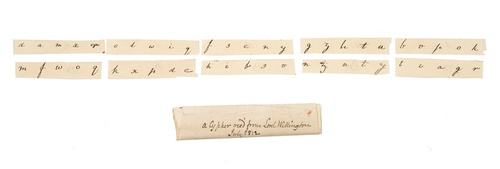
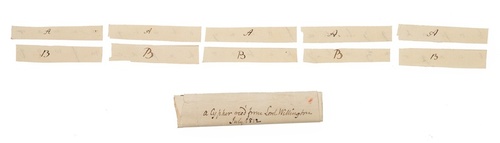
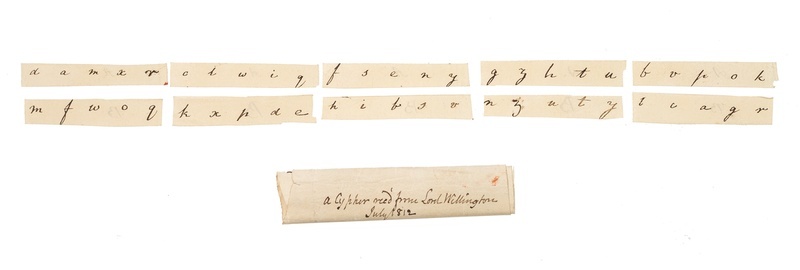
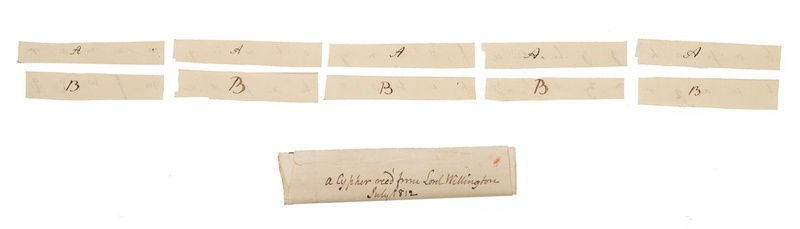
A substitution cipher comprising ten strips of paper (55x10mm) within a wrapper endorsed "A cypher rec'd from Lord Wellington July 1812". Five are lettered "A" (plain text) and five "B" (cipher text), each bearing five letters A-Z (though with letter "J" omitted, to have five equal strips) and can be rearranged.
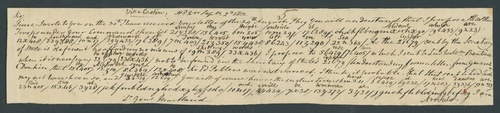
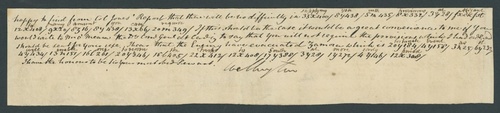
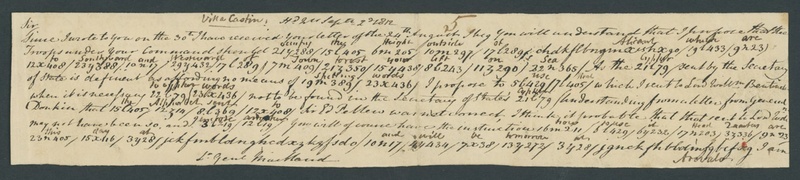
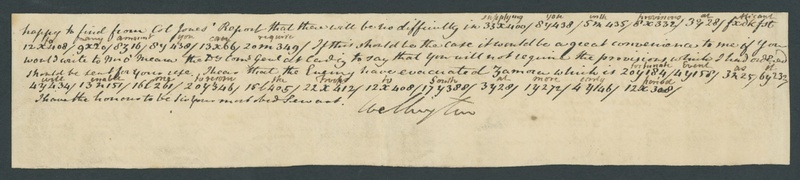
Among the despatches, an addendum to a despatch from Madrid dated 29th August "I will answer your letter fully this day in cypher, and you can decypher it, when you get the cypher, which is now on its passage from England". Another despatch from Villa Castin dated 2nd September, with a significant portion written in cipher text, with plain text written above:
"As the cypher sent by the Secretary of State is deficient as affording no means of spelling words, I propose to use [that?] which I sent to Lord William Bentinck when it is necessary to cypher words, not to be found in the Secretary of State's cypher, understanding from a letter from General Donkin that the Alphabet sent to Sir Ed Pellew was not correct. I think it is probable that that sent to Lord William may not have been so, and [...] You will of course have the instruction how to use it".
The main portion of the cipher text is in nomenclature, using words from a dictionary. The format of the code groups is believed to be [item in column][column][page number], suggesting it was designed by George Scovell, Wellington's Chief Cipher Officer, being very similar to an example described in The Man Who Broke Napoleon's Codes: The Story of George Scovell by Mark Urban, pp. 232-233. Words not in the nomenclature, such as place name "Alicant", are enciphered in a substitution cipher using the cipher strips. This has been used as a crib to reconstruct the arrangement of the strips used for this message (see image).
--
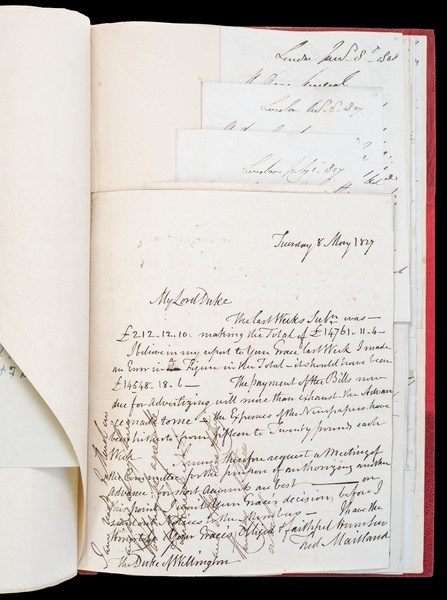
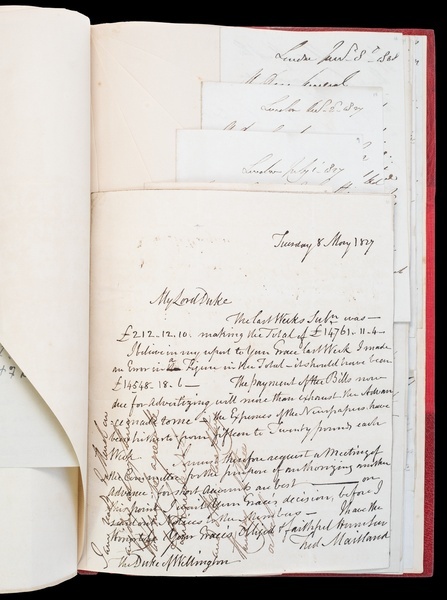
The balance of the volume (1827-1849) include 31 autograph letters from the Duke to Maitland, with three military memoranda annotated by Wellington and three autograph Committee minutes of meetings in London (Horseguards). The letters were written from London, Walmer Castle, Windsor and Stratfield Saye, with five address wrappers or envelopes.
"HISTORIC LETTERS TO GENERAL FREDERICK MAITLAND / 1777-1832"
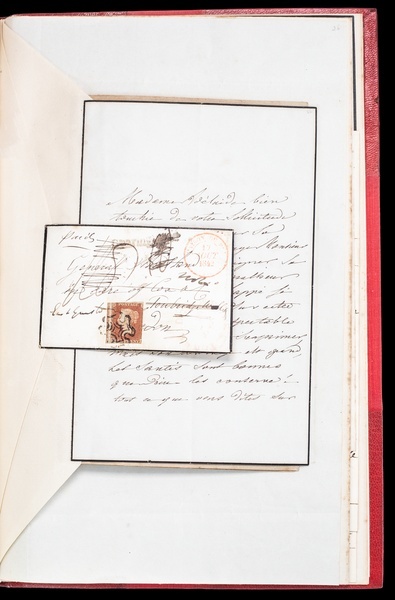
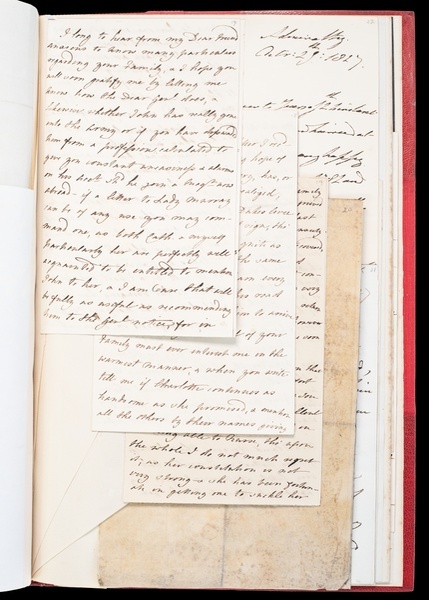
Letters (33) include those written by General Grey, Lord Liverpool, his military associates, the Archduke Francis of Austria (December 1811) with Maitland's copy response, an autograph letter from the Admiralty (1827) signed "William" by the future King William IV referring to Jamaica and the Windward Islands, a printed pamphlet titled "The 24th Regiment and the Battle of Chillianwallah on the Banks of the River Jhelum", and "Four letters from the Duke of Orleans before he became King Louis Philippe" (1817-1828), one with a superb large red wax seal on the letter wrapper.
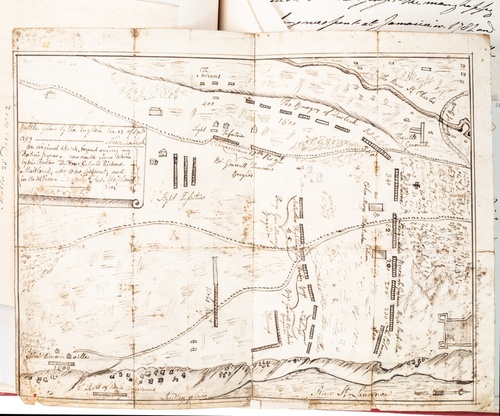
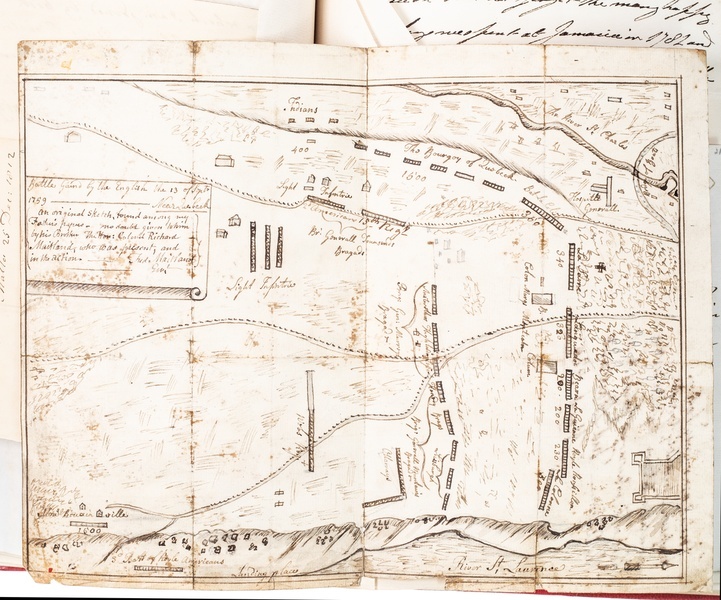
Within the volume (item 20) is a detailed annotated pen and ink diagram of the 1759 Battle of Quebec with a signed note in the hand of General Frederick Maitland reading:
"Battle Gaind by the English the 13 of Septr. 1759 Near Quebec.
An original sketch, found among my Father's papers, no doubt given to him by his Brother The Hon. Colonel Richard Maitland, who was present, and in the action (signed) Fred. Maitland, Genl."
A most historic and significant item with military positions looking from the River St Laurence towards the River St. Charles (290x220mm).
"COMMISSIONS FROM ENSIGN TO GOVERNOR OF GRANADA 1799-1813"
The bespoke box file contains 16 army commissions signed by King George III (12), George, Prince Regent (4) and an impressive initial portrait document, signed by George III, appointing Maitland "Governor in Chief in and over Our Island of Grenada" in 1805.
A significant archive, offered by descent
Special thanks to cryptanalyst George Lasry for providing his expertise. George Lasry led the effort to break the Mary, Queen of Scots letters. See article: https://www.bbc.co.uk/news/uk-scotland-64568222
Subject to 20% VAT on Buyer’s Premium. For more information please view Terms and Conditions for Buyers.
Estimate
£15,000 to £20,000
Starting price
£12000

Watch, listen and bid as if you were in the room. Now available for auctions worldwide.
Click here to bid live
An exclusive and confidential service for the discerning collector or vendor.
View the Gallery
Download every Spink catalogue on your iPad, iPod or iPhone using free Spink app.
Download From iTunes© 2026 Spink & Son. All rights reserved.