Auction: 26003 - Orders, Decorations and Medals
Lot: 180
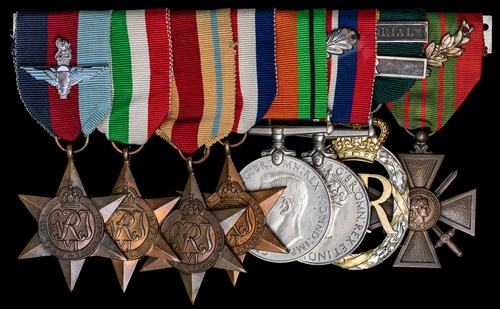
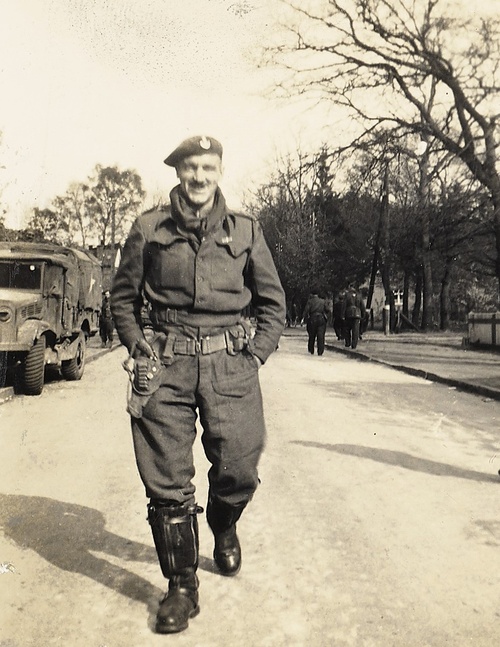
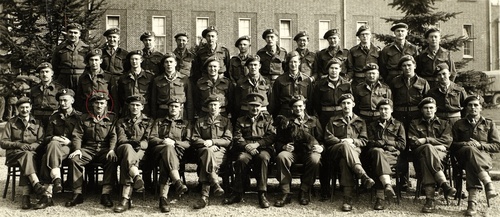
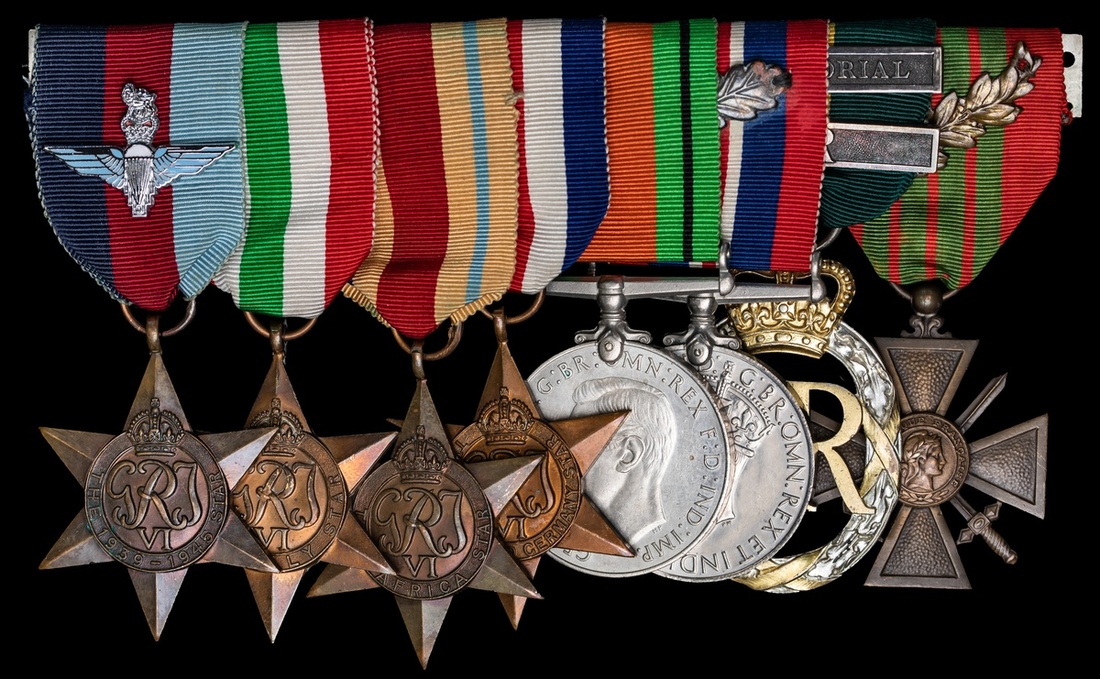
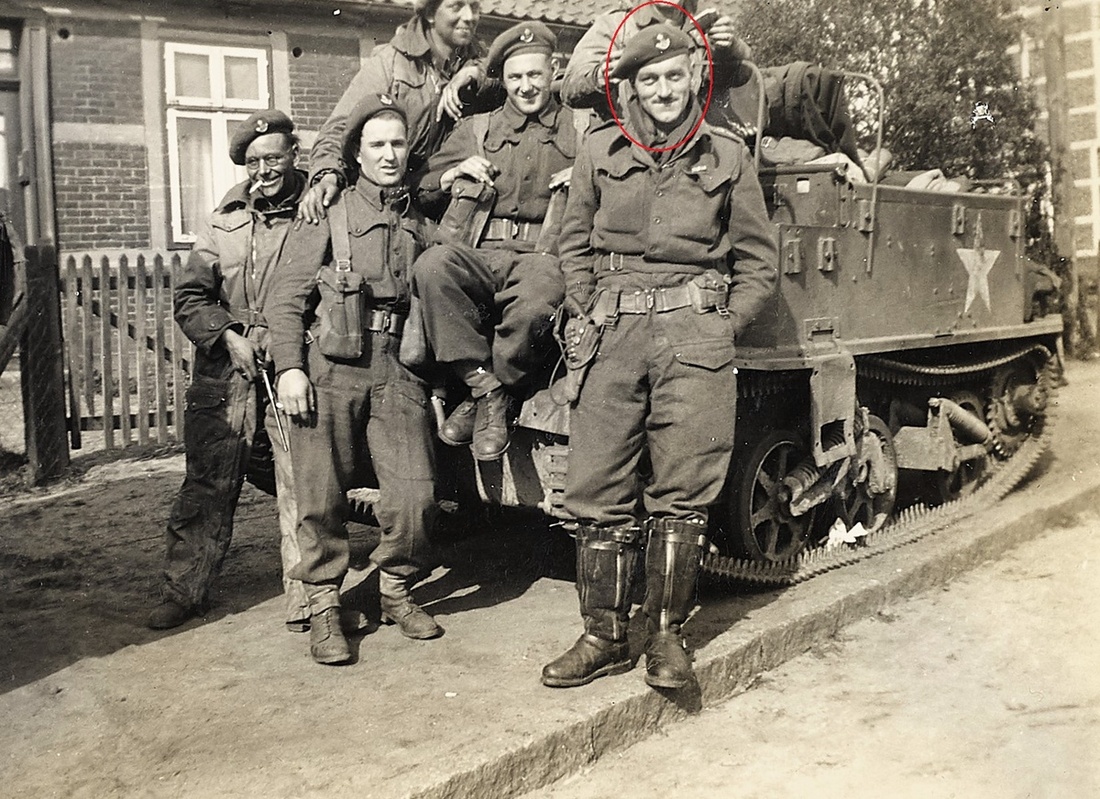
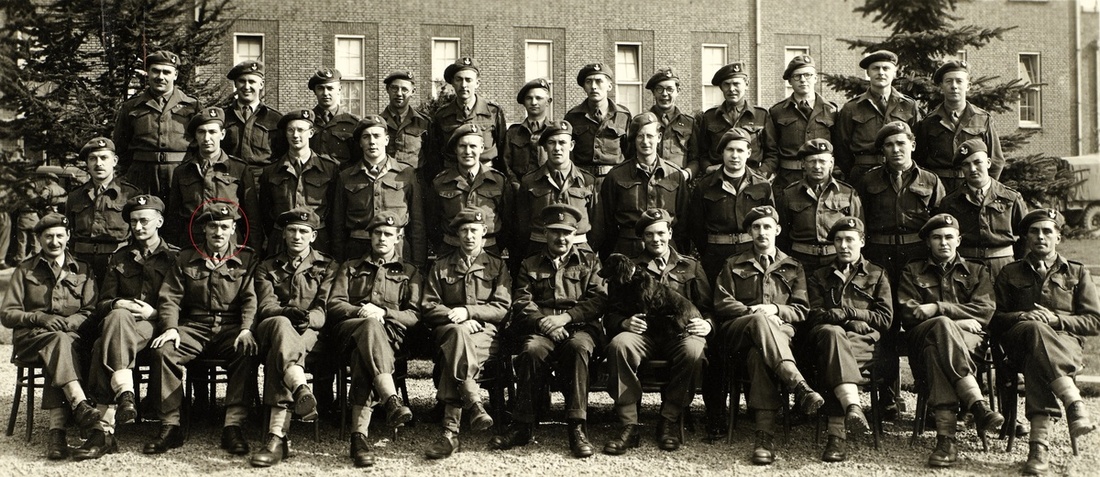
(x) The campaign group of nine awarded to Major R. Griffiths, 9th Battalion, Durham Light Infantry, a well-known officer of the 'Gateshead Gurkhas', a veteran of Sicily, who commanded the Battalion's 'D' Company through D-Day, in the bloody Battles of Normandy, the drive to Arnhem and the Crossing of the Rhine
1939-45 Star; Italy Star; Africa Star; France and Germany Star; Defence and War Medals 1939-45 with M.I.D. oak leaf; Efficiency Decoration, G.VI.R., Territorial (Capt R. Griffiths 1952) with Second Award Bar; France, Republic, Croix de Guerre, mounted for wear, sold together with an archive of original material and the Normandy Campaign Commemorative Medal, Peace Medal 1945, Arnhem 50th Anniversary Medal, overall good very fine (9)
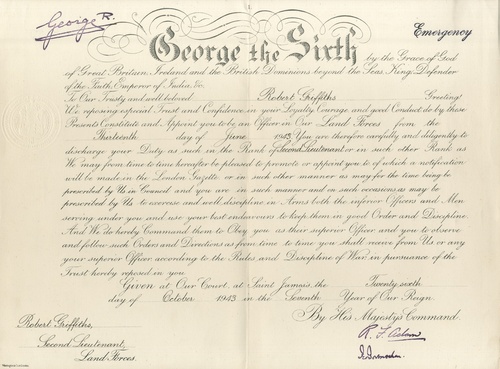
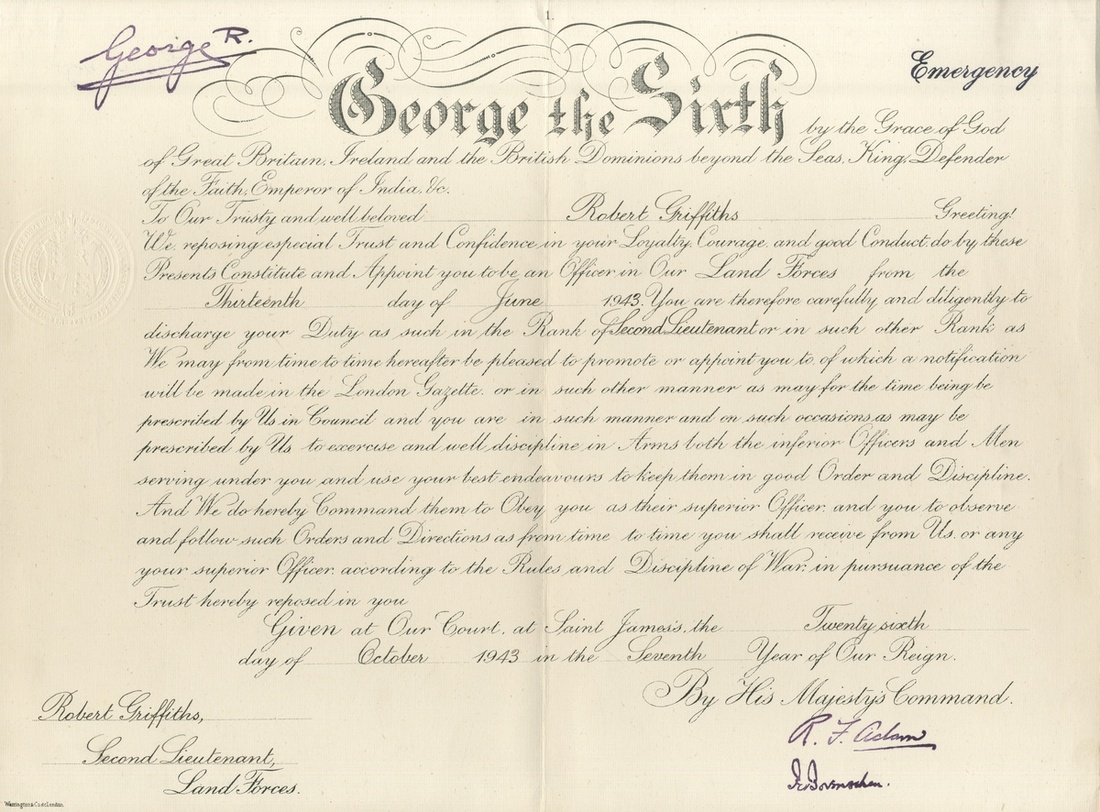
Robert 'Roy' Griffiths served initially as a Sapper and NCO with the Royal Engineers before gaining admission to a Cadet Training Unit and earning his commission into the Welsh Regiment (Service Number 287838) on 13 June 1943. Despite the unit he was never to serve with them, instead being allocated to the 9th Battalion, Durham Light Infantry.
Italy
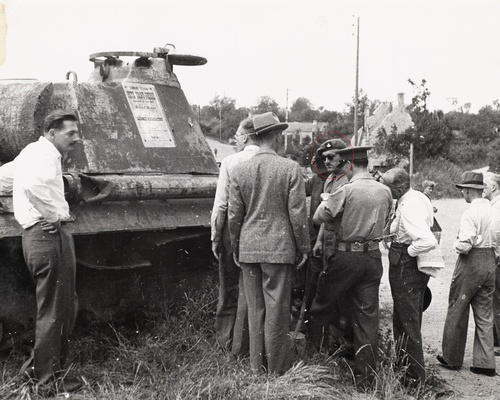
It is unclear whether he was with them during the bloody battle for Plimsole Bridge where the Battalion relieved the battered Paratroopers that had taken the position and held it against repeated counterattacks. However, Griffiths was certainly acting as a Platoon Commander some two weeks later when they advanced upon the town of Catania. During the approach he commanded 16 Platoon, 'D' Company, engaged in scouting ahead of the push, investigating roadblocks and enemy activity. On one occasion assisting in the withdrawal of a Platoon which had come under armoured attack.
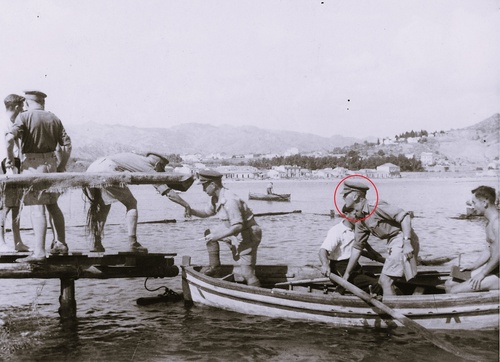
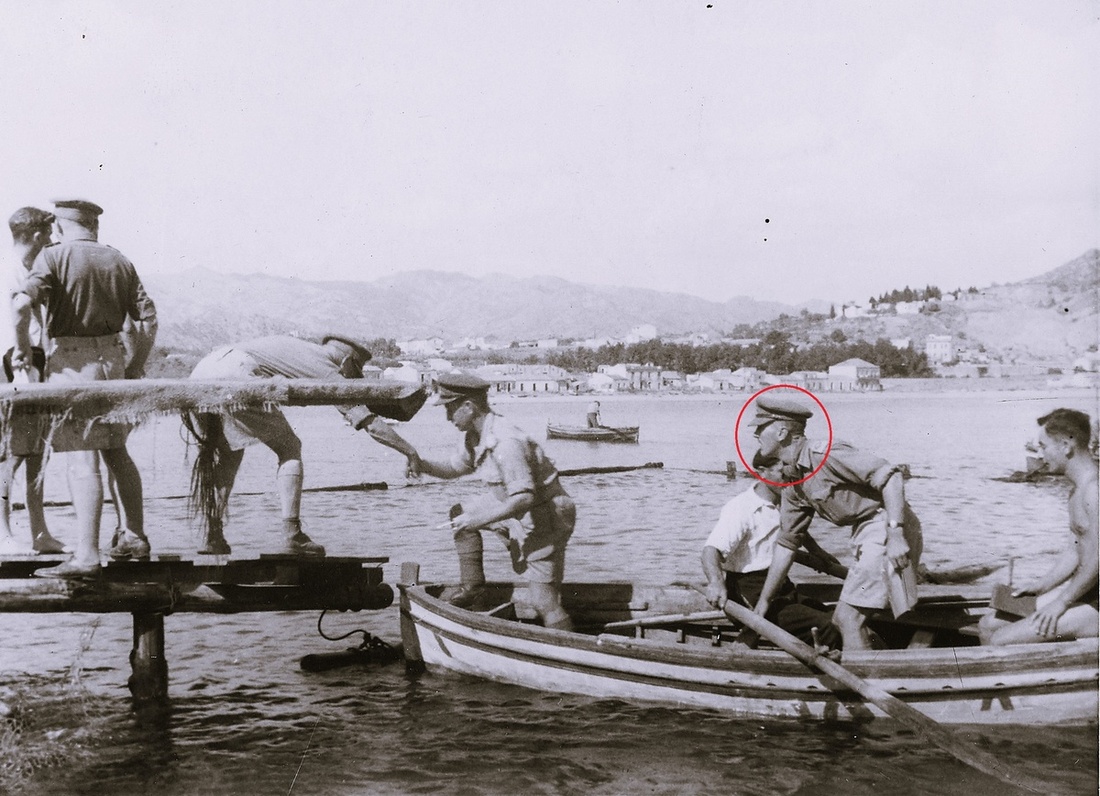
It was Griffiths' platoon which was given the task of locating an entry point to the town of Catania, with command of a large patrol which included an official photographer. Managing to effect entry into the town without encountering the enemy he pushed into the centre before halting, consolidating and reporting his position. The Battalion pushed in behind him and a film of Captain Gardner receiving the Keys to the City was taken and seen on the Gaumont British News Review for 1943. After Catania the Battalion continued their advance towards Messina and the crossing to Italy. There Griffiths was posted to the Naval Headquarters to act as Liaison Officer for the landings on the toe of Italy. Whilst undertaking this role he was offered- and readily accepted- the opportunity to take part in a landing, having said of the matter 'it was an opportunity I could not miss'. The landing, undertaken alongside some Royal Marines was successful and Griffiths returned to his unit not long later.
Europe - Normandy, Market Garden and the Rhine
The Battalion was not to join the Italian campaign, instead returning to Britain as part of the build up to Operation Overlord. Given command of 'D' Company prior to the landings, Griffiths was leading them onto Gold beach as part of the Second Wave of the offensive. As the Battalion dug in around Bayeux intending to fend off the inevitable counter-attack Griffiths was ordered to take over a detachment of 'C' Company which included an Anti-Tank Platoon. They soon came under attack and repulsed the enemy in a brisk action, supported by artillery fire from the 74th Field Regiment. Griffiths further spent time with the local Gendarmerie, a meeting which saw several inhabitants of the surrounding area arrested as collaborators.
Returning to 'D' company Griffiths took command again in time for the Battalion's action Operation Perch which would see them thrown into the bloody Battle of Lingevres. This savage clash between the 50th Division, supported by the 7th Armoured Division and the Panzer-Lehr was intense enough to see Lieutenant-Colonel Woods commanding the 9th Battalion killed in action. Despite their losses they remained on the frontline, being posted to Tilly-sur-Seulles where they maintained a defensive position whilst receiving drafts of reinforcements. Having completed this they returned to the front for the action at St. Pierre in June, despite heavy fighting- in which Griffiths' close friend Peter Farrant was killed- they took the village, allowing the Guards Armoured Division to break through German lines. The Battalion followed them in the drive to Brussels.
Still with the Guards Armoured Division they were thrown into action during Operation Market Garden, intended to drive towards the bridges seized by the Allied air assault including the bridges from Veghel, to Grave, to Nijmegen, to Arnhem. 'D' Company under Griffiths was assigned to Veghel bridge however when they arrived they discovered that the paratroopers that had taken it had already moved on. The advance continued and they reached 'The Island' between Nijmegen and Arnhem. Whilst there Griffith, assisting with a party of Sappers laying mines on the main road, managed to drive his jeep into a ditch. This campaign marked the last actions for the 50th Division and the 9th Battalion was posted to the 7th Armoured Division as a Lorried Infantry Brigade.
Their first major operation was Operation Blackcock on 16 January 1945 a hard fought engagement that hinged upon the Battle of St. Just- Sint Joost- between 7th Armoured and a well dug in force of Fallschirmjager. The depleted 'D' company was initially assigned to Operation Monfort, the capture of the battered village of Monfort however when the scale of the fighting in St. Just became apparent they were assigned there instead. They moved through the village with the support of a Troop of Crocodiles, using their flame-throwers to terrible effect. After a bloody four-day battle the village fell and the Company moved to Posterholdt where Griffiths left them to attend a Combined Operations course in Britain.
He returned in time for the Crossing of the Rhine, later recalling how few of the men who had landed with him on 6 June 1944 remained with them in that time. Seeing further heavy action as they pushed into Germany Griffiths specifically remembered the fighting at Wildeshausen, during the advance on Bremen. There they came under attack by Marine Cadets, supported by armour, losing some of the Battalion as prisoners of war, but only briefly. Not long later they reached Bergen, diverting on medical grounds to provide assistance to the survivors who had faced unbelievable suffering in the camps.
Post-War Epilogue
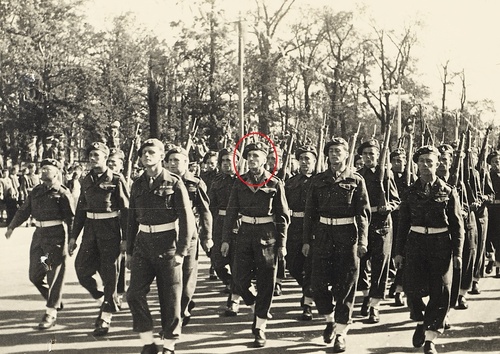
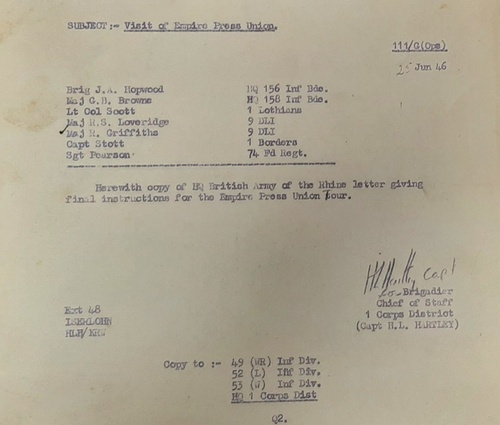
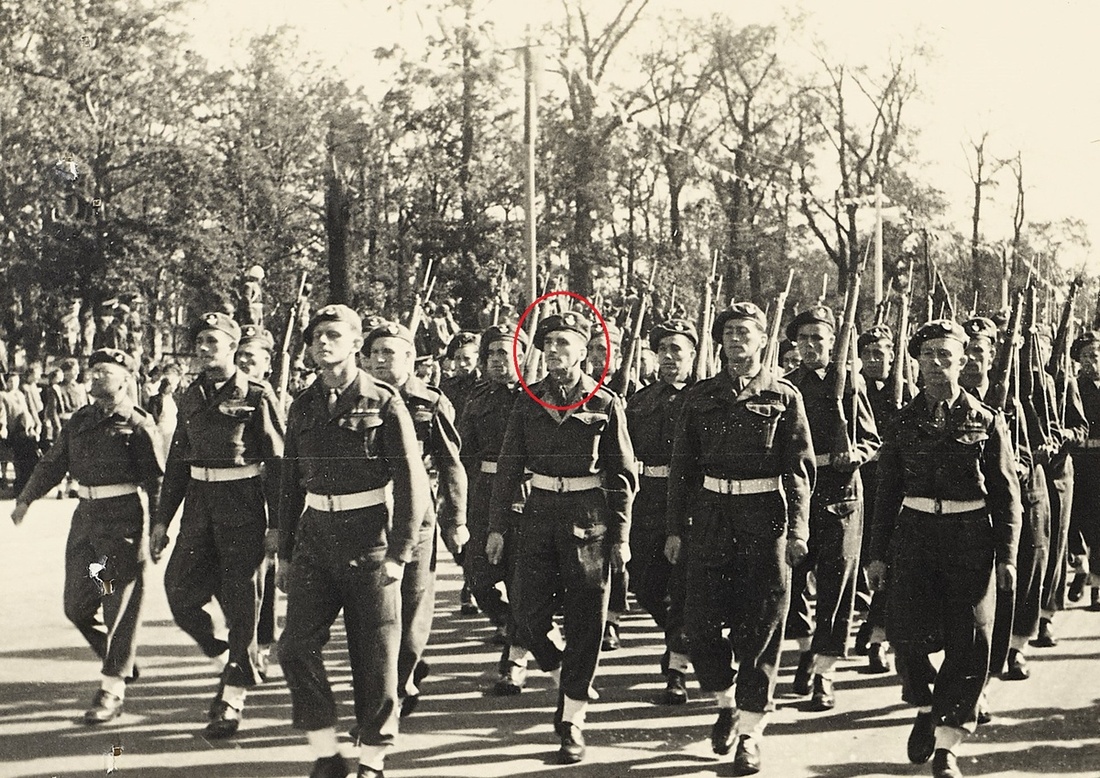
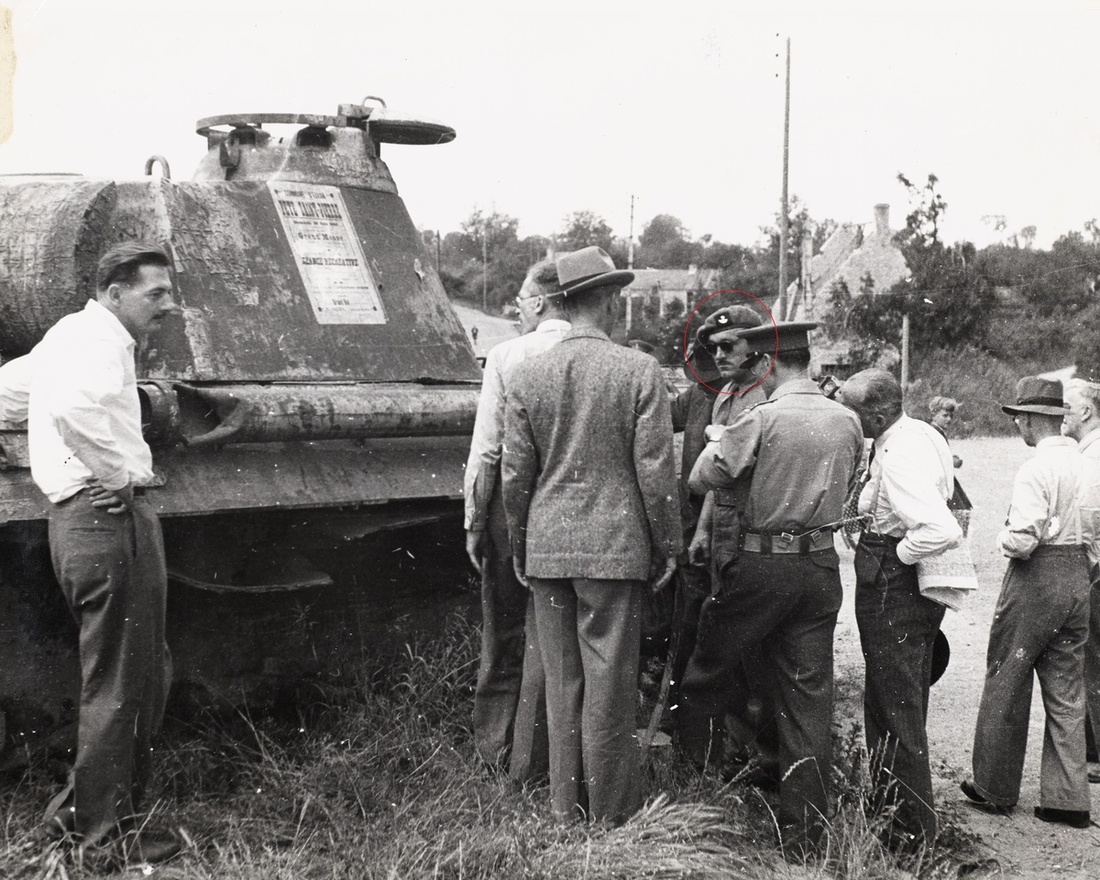
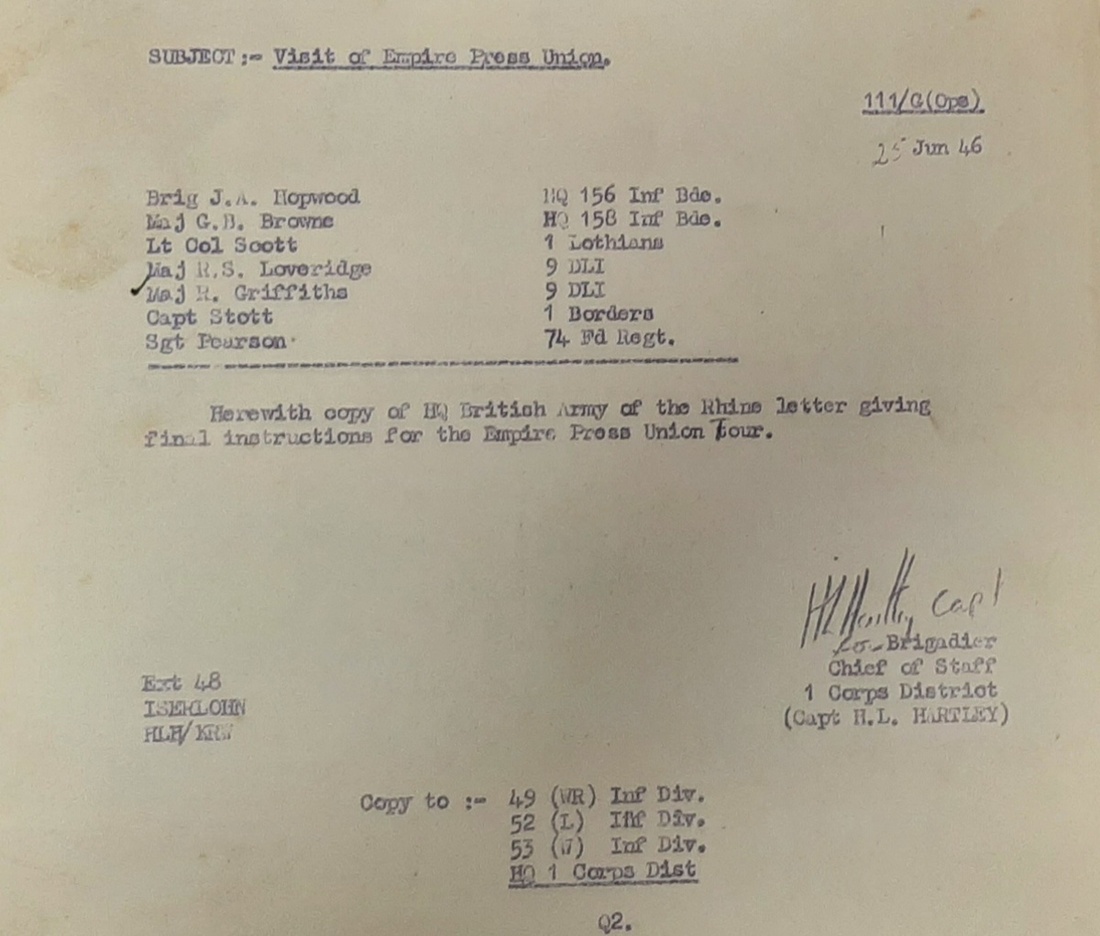
The war ended as the Battalion moved through the outskirts of Hamburg, despite this they continued to patrol with the goal of suppressing elements of the SS and Wehrmacht who refused to surrender. Griffiths' first job after the end of the conflict was to visit German U-boat pens and ensure that the vessels were not sabotaged. After this they began a media round, showing films of the Concentration Camps to the local population, many were shaken by the sight but sadly others believed it propaganda, those who voiced this opinion were ordered back into the cinema to watch again. 9th Battalion was taken to Berlin where they were selected to form part of the Victory Parade with Griffiths as Second in Command of the Guard of Honour. After serving in the displaced persons camps Griffiths' was ordered to join the Empire Press Union tour, arranged to take members of the Press on a tour from Normandy to the Baltic. During this tour he presented verbal accounts of his experiences particularly at Lingevres.
Nominated to join a war crimes tribunal at Hamelin Prison Griffiths say in judgement of five members of the SS who were charged with crimes against prisoners-of-war. Defended by the German Barrister Corps evidence was submitted against the men by the former Police Chief of the area where the atrocities had occurred, a man who had lost his position because he refused to join the Nazi Party. This evidence was key in the defendants being found guilty and sentenced to death after their appeals failed the men were hanged. It was around this time that the 9th Battalion was disbanded with Griffiths being one of the last men to leave the unit.
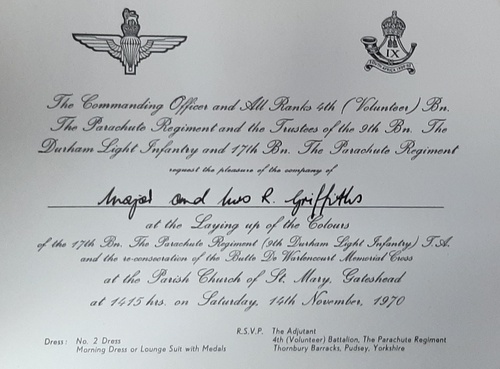
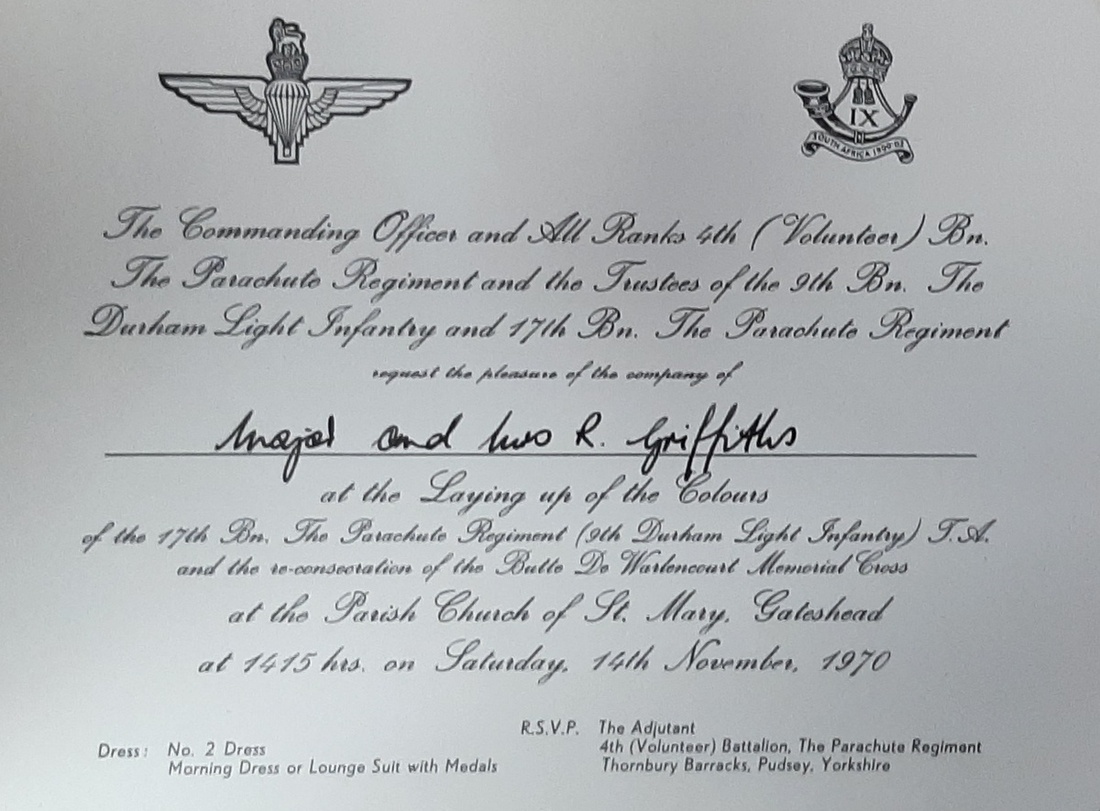
He took on a staff appointment at the Headquarters, British Army of the Rhine, serving during the Berlin Airlift as Deputy Assistant Quartermaster General with the Headquarters, Army Air Transport Organisation. Little is known of his post-war service however he may have served with the 17th (DLI) Parachute Battalion, Territorial Army, raised from the old 9th Battalion in 1947. He certainly attended the 'laying of the colours' of the 17th Battalion, The Parachute Regiment at the parish of St. Mary, Gateshead on Saturday 14 November 1970. Retiring on 1 October 1953 he joined the Reserve of Officers and took work with local Government. An active member of the DLI Association he was a regular figure at the reunion dinners. Griffiths' obituary notes that he was twice 'Mentioned' although no Gazette entry has been found to confirm this; sold together with copied research including obituary and history written by the recipient on his experiences in the war and an archive of original material comprising:
i)
Commissioning document.
ii)
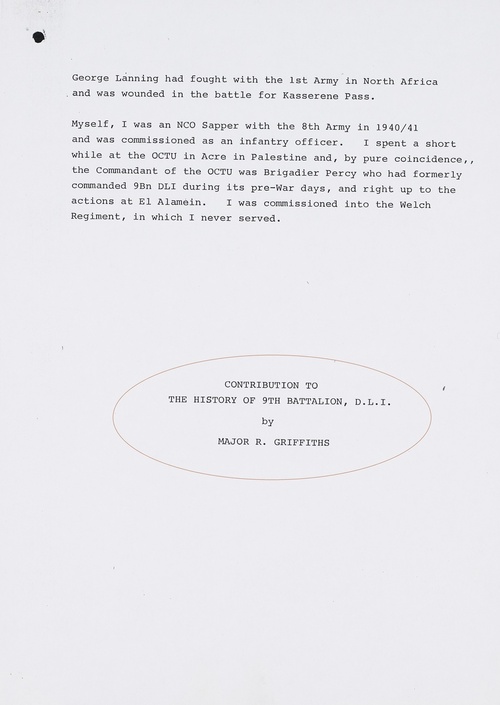
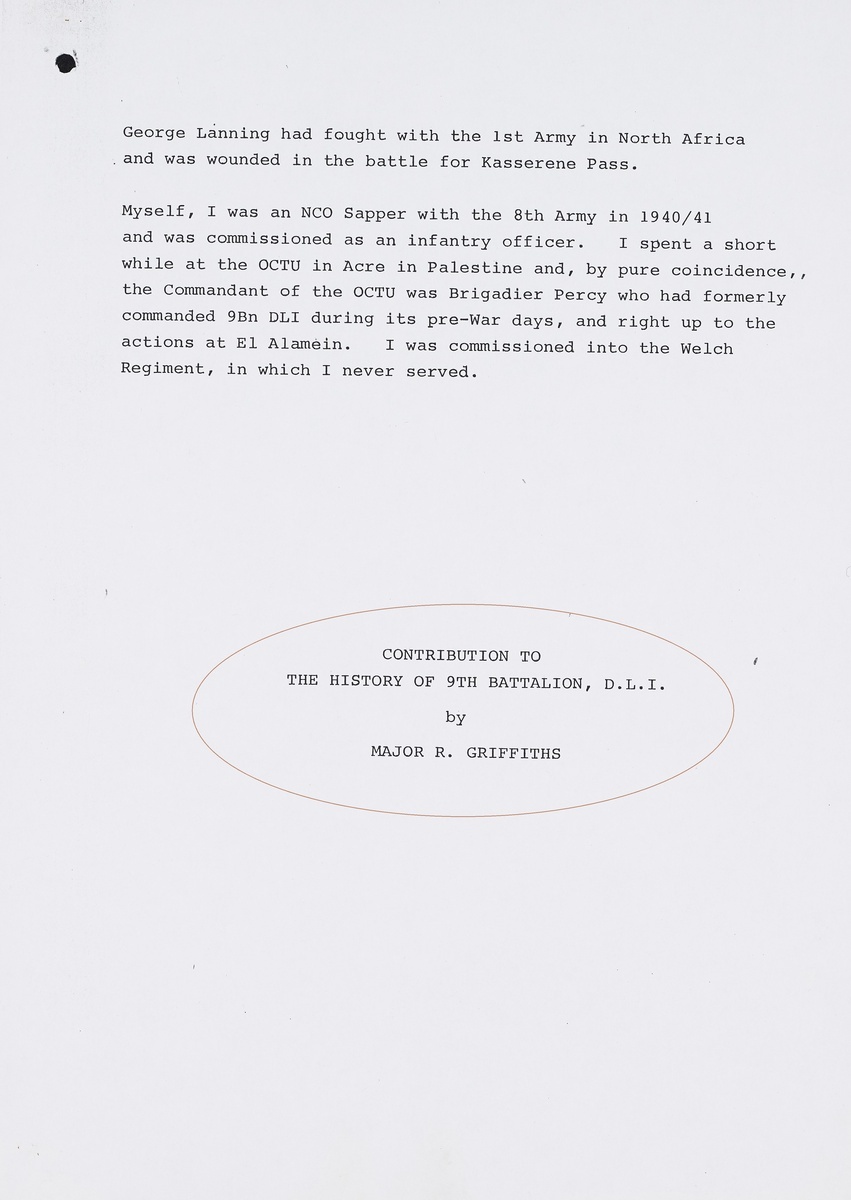
Correspondence including invitation to the Laying of the Colours of the 17th Battalion, The Parachute Regiment, regarding the Empire Union Press Tour and a typed letter from the recipient regarding the history of the 9th DLI.
iii)
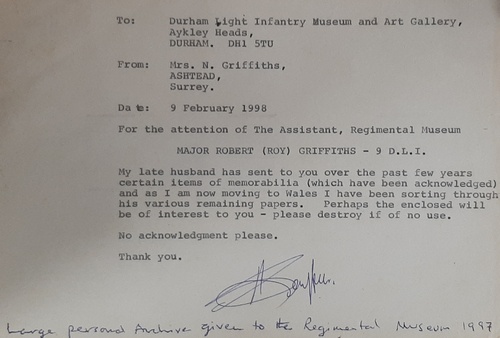
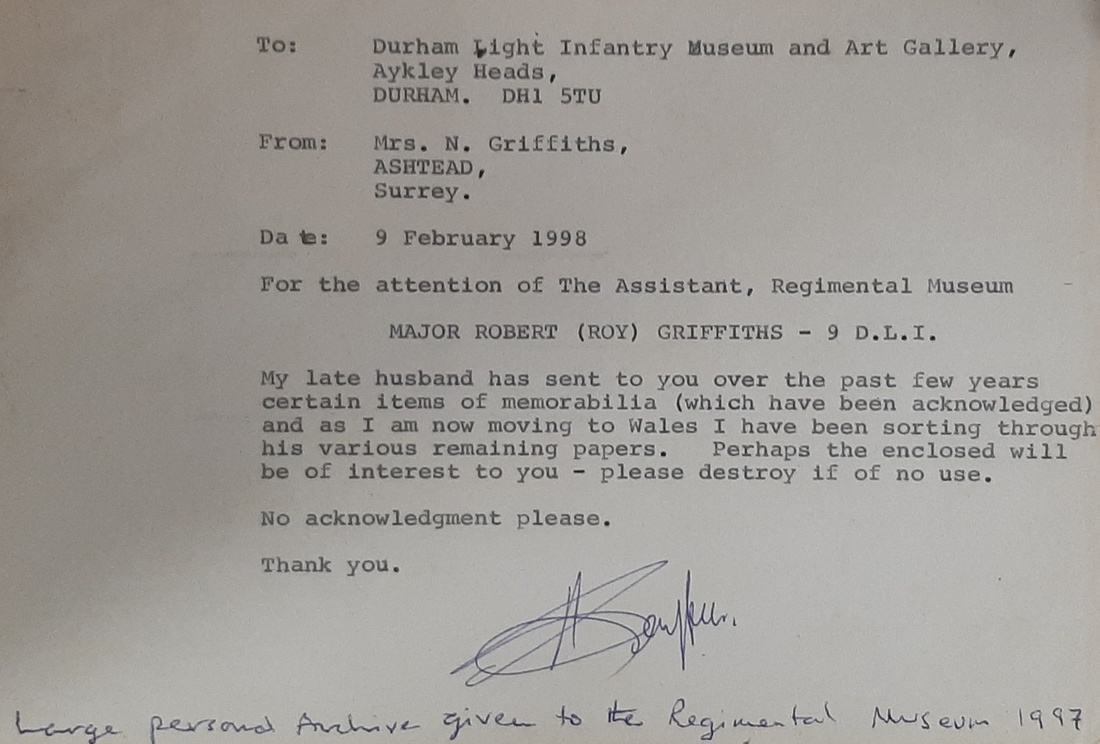
A letter from the recipient's widow to the Durham Light Infantry History Museum.
iv)
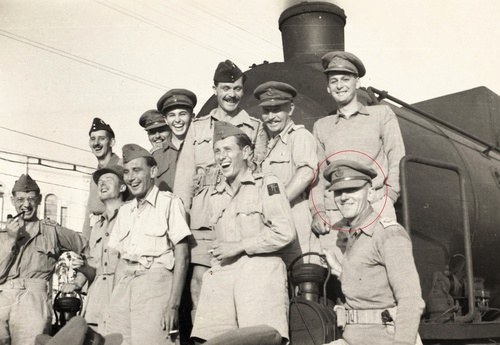
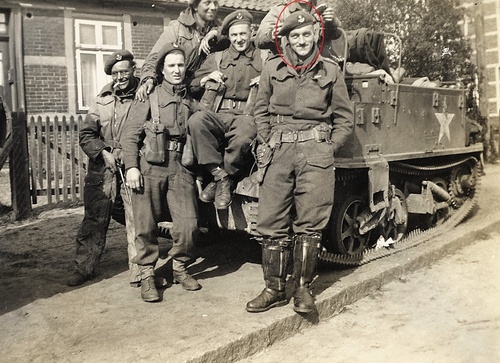
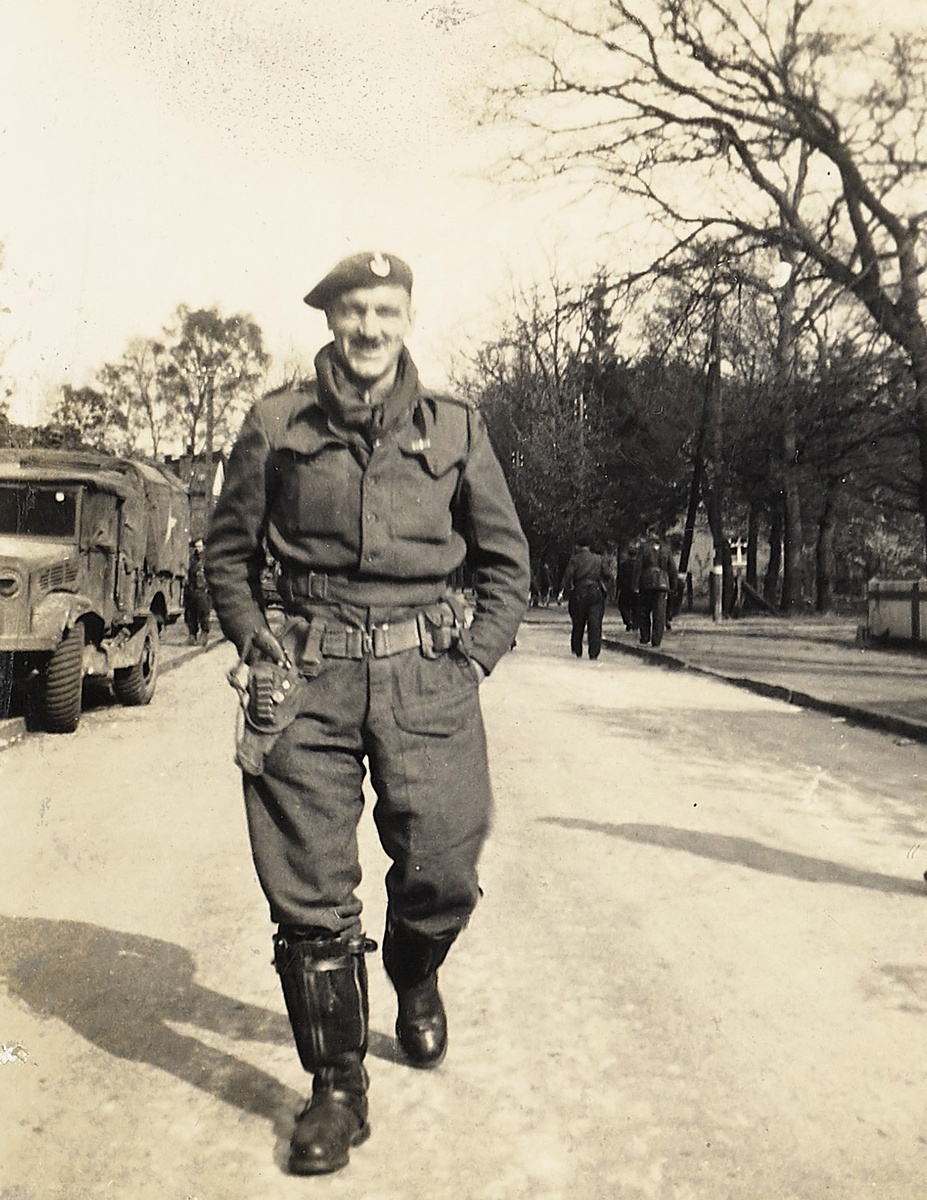
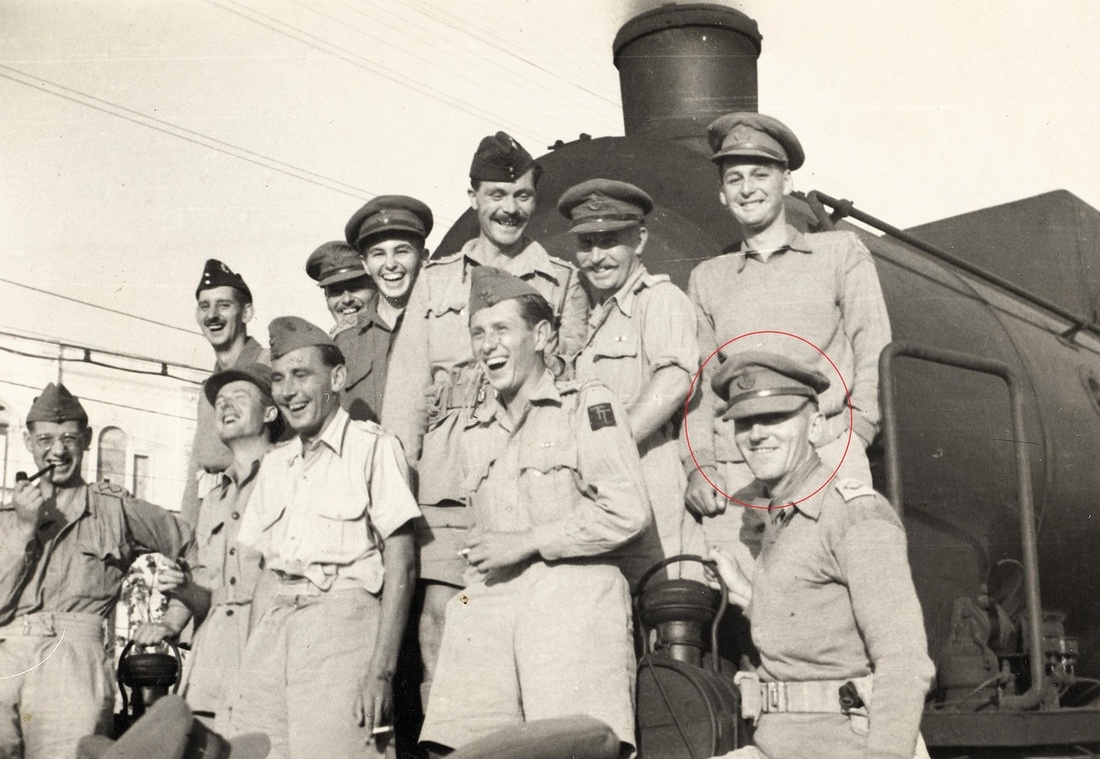
A thumbstick containing a copy of a 24-page photograph album, the original held in The Story Collection, Durham County Records Office and a number of copied records and orders as well as Griffith's personal contribution to the Battalion History.
v)
Picture Post 1944 featuring an article relating to the Paras with a person highlighted and the word 'ME!' written beneath in pen.
vi)
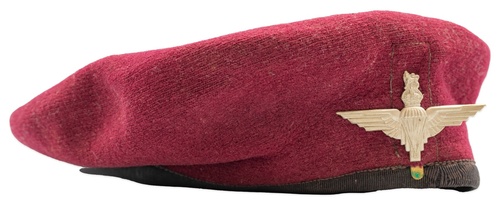
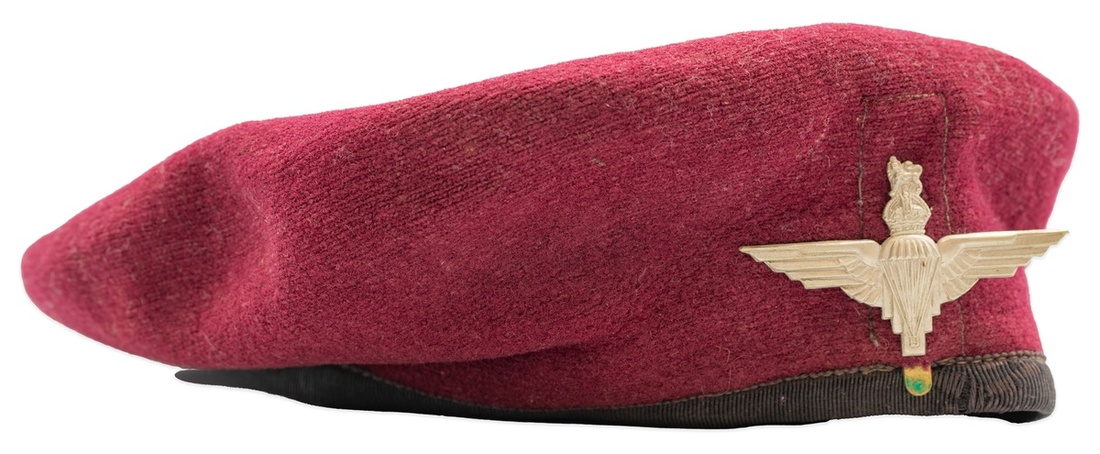
Maroon Para beret with Para and DLI badges attached and Officers Para Badge, Para Old Comrades Association lapel badge.
vii)
Para Arnhem association tie with para badge attached.
Subject to 5% tax on Hammer Price in addition to 20% VAT on Buyer’s Premium.
Estimate
£500 to £600
Starting price
£400
Watch, listen and bid as if you were in the room. Now available for auctions worldwide.
Click here to bid live
An exclusive and confidential service for the discerning collector or vendor.
View the Gallery
Download every Spink catalogue on your iPad, iPod or iPhone using free Spink app.
Download From iTunes© 2026 Spink & Son. All rights reserved.