
Auction: 26001 - Orders, Decorations and Medals
Lot: 273
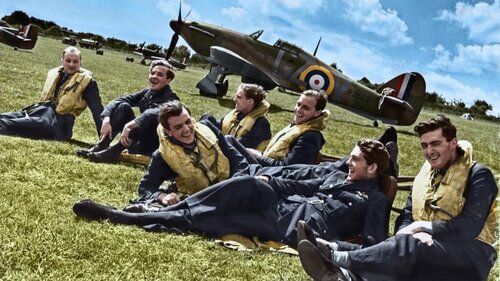
'We were sent on fighter sweeps over France. Patrol St. Omer at 12,000 feet was a typical sort of order. And I suppose it was very early on, May 13th or 14th, that we actually met the enemy for the first time. A frightening experience it was, for me. There, we were - it was a lovely day. The sun was shining with lots of cumulus clouds around, and we just skirted one big lump of it, when there, in the distance, was a sight I shall never forget. The sky was full of aircraft, and in the space of a split second, a Hurricane had flown passed me in flames. Out of the corner of my eye I saw a Me. 110 climbing with a parachute wrapped around its tail, and a poor unfortunate airman, still attached to it.
Then suddenly I saw a Me. 110 only 300 yards ahead. I had already switched the gun button to fire, so I eagerly started pointing towards him and I thought, 'Well, I had better have one quick look behind me' - which I did, and horror of horrors-there was another Me. 110 three hundred yards behind me. He was panning gently to the left, obviously about to fire at me. Well, you don't hesitate in those circumstances - it was a case of stick hard over, full right rudder, and I was into a screaming dive in about a fifth of a second. And by the time I pulled out, there wasn't an aircraft to be seen in the sky.
Anyway, seeing no friend or foe in the sky, and feeling very frightened and out of breath, I dived into the nearest cumulus cloud and came out the other side-still nothing to be seen-and flew home. At least I'd survived.'
The hair-raising realities of combat over France in May 1940, as described by Pilot Officer Donald 'Grubby' Grice, a mess mate of 'Dicky' Daw, a fellow Hurricane pilot in No. 32 Squadron.
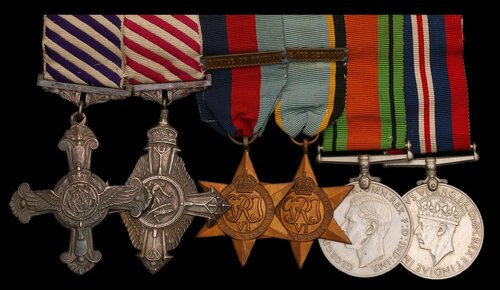
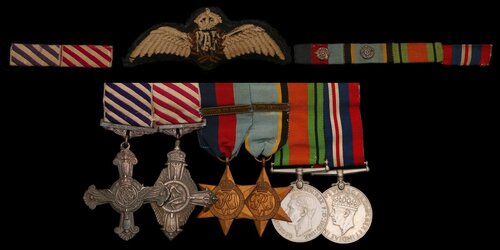
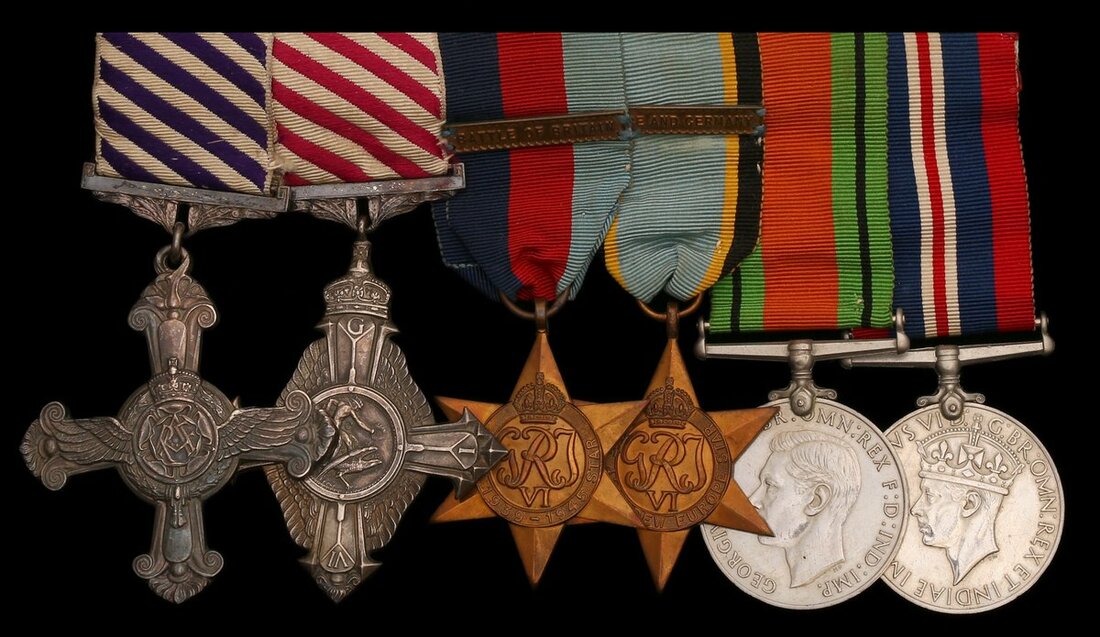
The outstanding Second World War fighter ace's immediate D.F.C., A.F.C. group of six awarded to Squadron Leader V. G. 'Dicky' Daw, Royal Air Force
A 'likeable personality' and exceptional pilot, he claimed six confirmed 'kills' in Hurricanes of No. 32 Squadron in France in May-June 1940 - three of them in a single sortie - prior to being wounded in the Battle of Britain in late July, when he suffered bullet wounds to his right leg in a combat with Me. 109s over Dover
Having then added the A.F.C. to his accolades, he took command of No. 5 Squadron - a Vampire jet unit - in Germany in the Cold War, prior to returning home to attend a Fighter Leader's course, in which, tragically, his aircraft plunged into the North Sea during a 'rat and terrier' exercise in March 1953
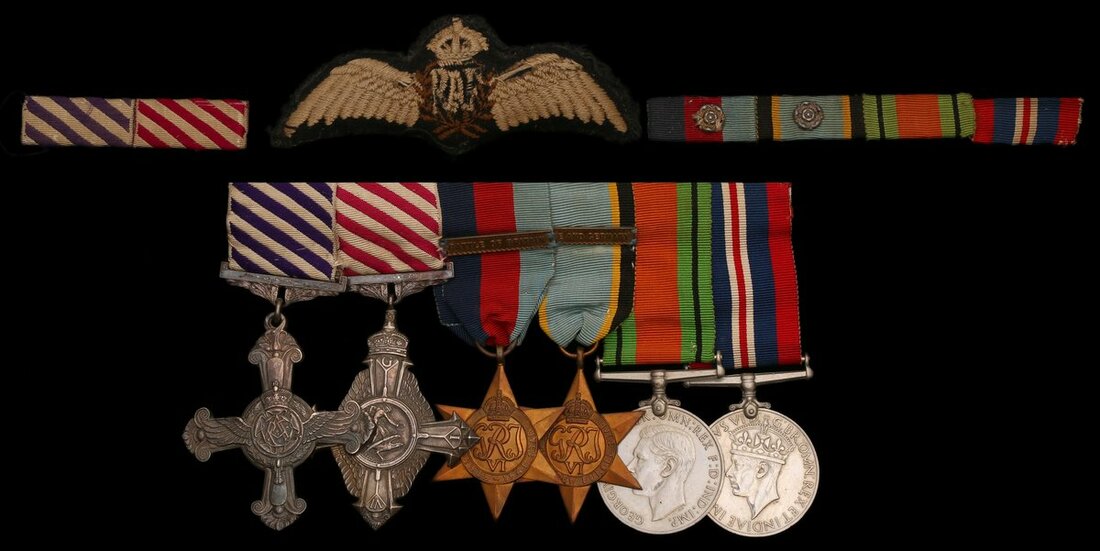
Distinguished Flying Cross, G.VI.R., the reverse officially dated '1940', with its Royal Mint case of issue; Air Force Cross, G.VI.R., the reverse officially dated '1945', with its Royal Mint case of issue; 1939-1945 Star, clasp, Battle of Britain; Air Crew Europe Star; Defence and War Medals 1939-45, mounted as worn, sold together with an archive of original material, good very fine and better (6)
D.F.C. London Gazette 26 June 1940.
The original recommendation - approved by Dowding - states:
'On 9 June 1940, this officer was on an offensive patrol in the Le Treport area when seventeen He. 111s were sighted. By his skill and courage, he succeeded in destroying two of the enemy bombers. The second one he destroyed he had to follow down to 200 feet and when climbing up to rejoin his squadron he sighted one of his fellow pilots with a Me. 109 on his tail. Pilot Officer Daw went into the attack but had to hold his fire for some time as both the Me. 109 and Hurricane were in his sights. Pilot Officer Daw persisted in his attack and finally succeeded in shooting down the Me. 109.
On 19 May 1940, Pilot Officer Daw displayed great courage and skill in carrying out a head on attack on three Me. 110s and succeeded in destroying the leader.
On 22 May 1940, he destroyed one Me. 109.
On 11 June 1940, he destroyed a He. 126 out of a formation of three.'
Covering remarks Air Vice-Marshal Keith Park, A.O.C., 11 Group:
'By his tenacity, skill and courage this officer has succeeded in destroying six enemy aircraft. He shot down three of these in the same encounter. He successfully carried out a head-on attack on three Me. 110s and shot down the leader.
I recommended him for the immediate award of the Distinguished Flying Cross.'
A.F.C. London Gazette 1 January 1945.
The original recommendation states:
'This officer has been Flight Commander at No. 105 O.T.U. since February 1944. He is responsible for bringing his Flight Instructors to their present high standard of proficiency. His outstanding enthusiasm, leadership and devotion to duty is reflected in the keenness of Instructors, pupils and ground crew alike. He has often instructed his staff in flying in the worst weather conditions at all altitudes, thereby producing confidence in his air crew and pupils. He exercises a splendid influence on both Instructors and pupils and by his skill and keenness and his firm and likeable personality.'
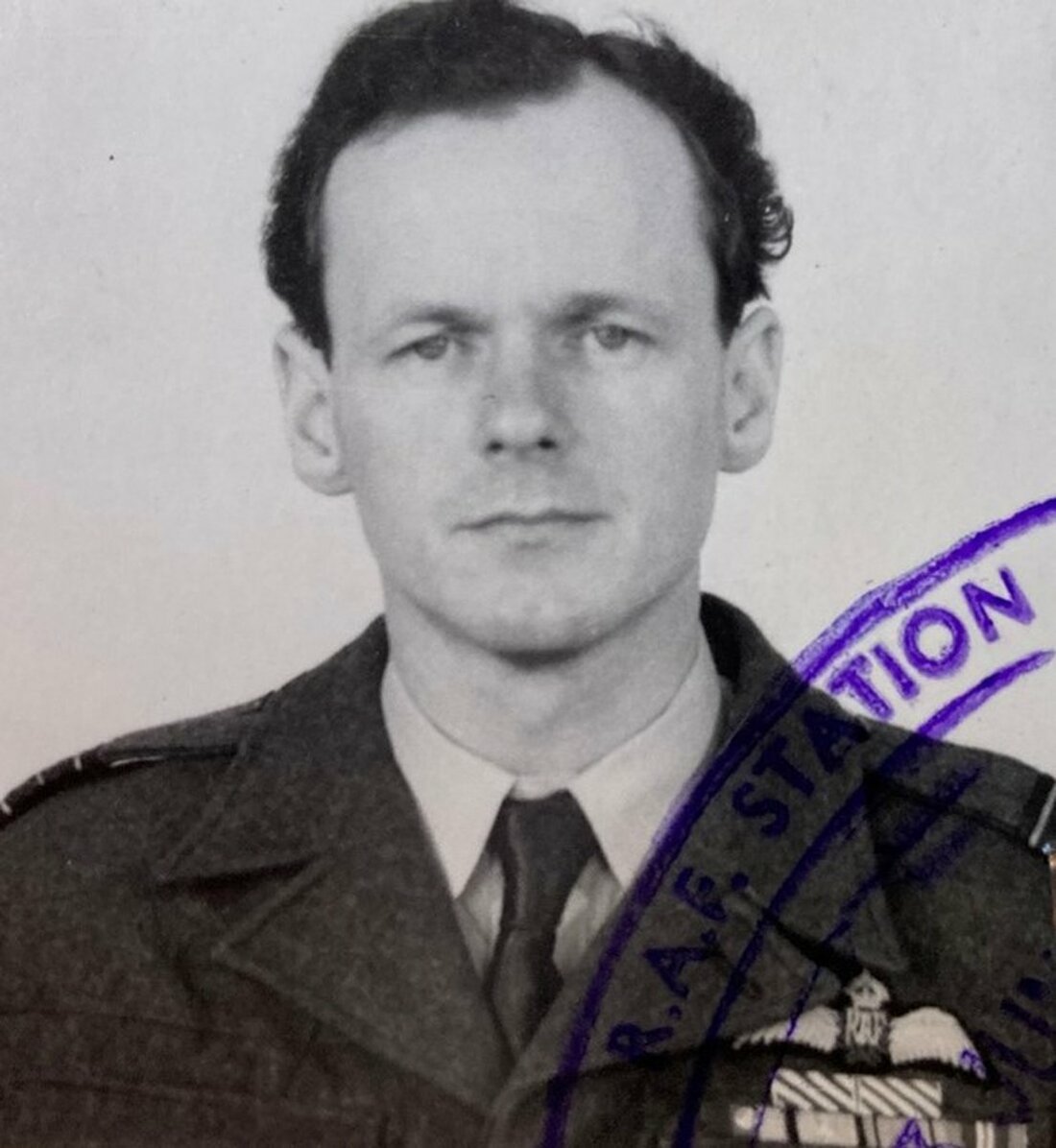
Victor George Daw was born in Portsmouth on 6 October 1918, the son of a naval officer.
Granted a short service commission in the Royal Air Force in November 1938, he qualified for his 'Wings' in the following year and was posted to No. 32 Squadron, a Hurricane unit based at Kenley.
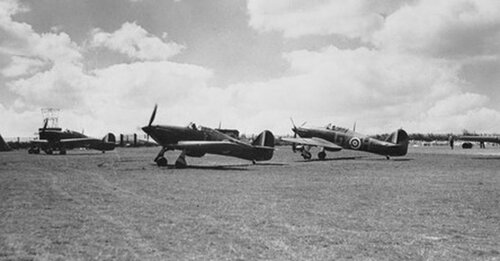
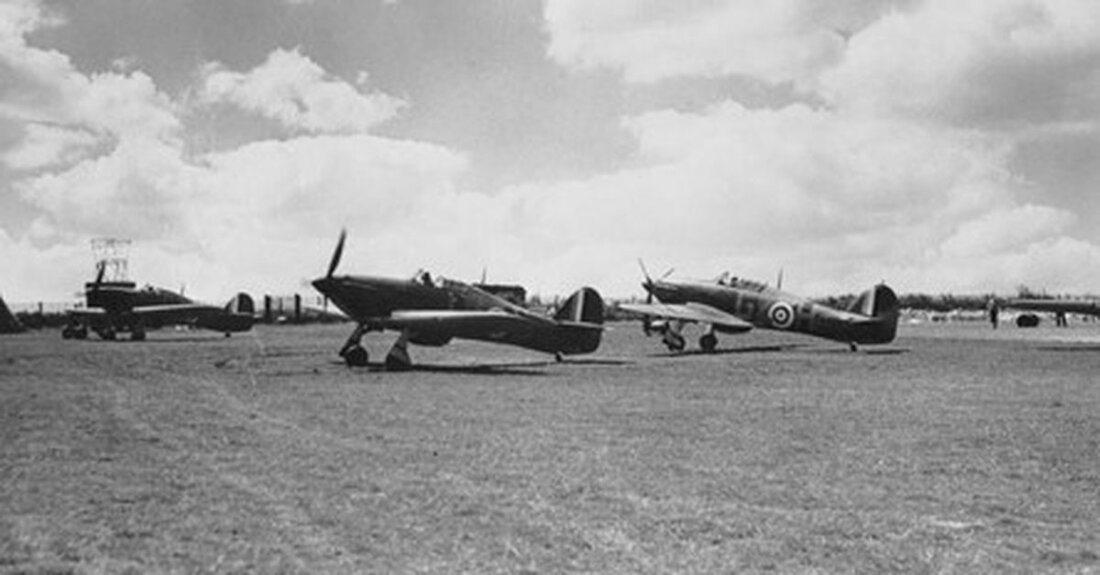
With the advent of the Blitzkrieg in May 1940, the squadron began using Abbeville as a forward base, returning to Biggin Hill or Manston each evening. Here, then, the commencement of Daw's rapid elevation to ace status.
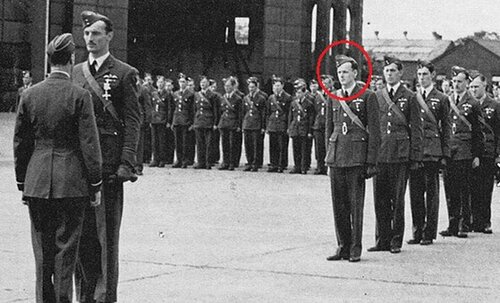
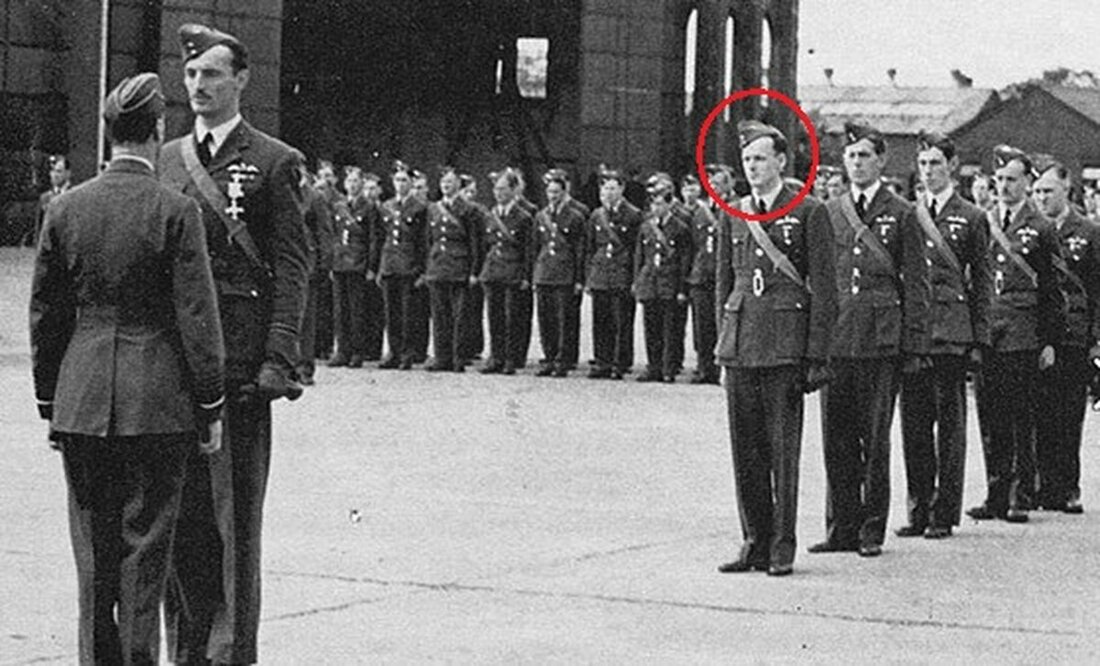
On 19 May, in a combat west of Le Cateau, he destroyed a Me.110, followed by a Me. 109 in a combat over St. Omer on the 22nd. But it was on the 9th of June that he truly excelled himself, when, in a single sortie, he claimed two He. 111s and another Me. 109 destroyed, thereby gaining ace status. And for good measure he added an Hs 126 to his tally just two days later. He was awarded an immediate D.F.C., which distinction he received from the King in a special investiture held at Biggin Hill on 27 June 1940.
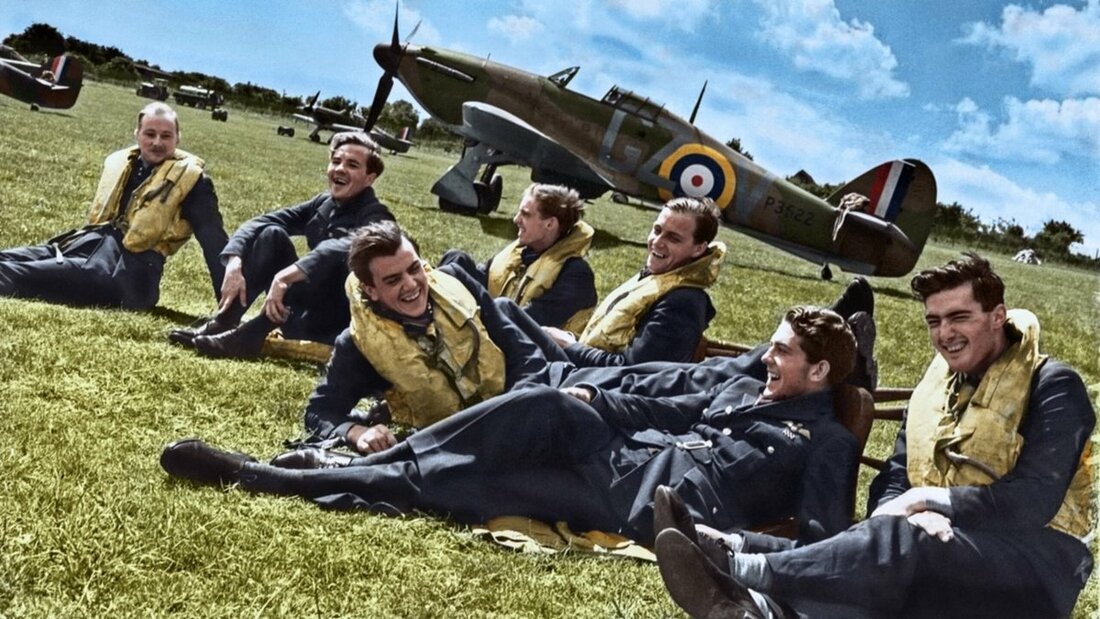
By this stage, Daw was regularly flying alongside the likes of Flight Lieutenant M. N. 'Red Knight' Crossley, his colourful Old Etonian flight commander in Red Section, together with other squadron stalwarts such as Flight Lieutenant Pete Brothers, Flying Officer A. F. 'Shag' Eckford and Pilot Officer D. 'Grubby' Grice, all of whom were likewise raising their scores. And with the onset of the Battle of Britain proper, the squadron commenced flying multiple sorties on a daily basis, mainly out of Biggin Hill but sometimes Tangmere. It was at the latter airfield that a Fox News photographer would capture some of the most iconic images of the battle, among them a portrait of Pilot Officer K. R. Gillman, the R.A.F.'s 'poster boy'; sadly, he was killed in action a month later.
Losses did indeed begin to mount, Daw himself running into trouble over Dover in Hurricane P3677 on 25 July, when he became separated from his flight and ran into six Me. 109s. In courageously attacking the latter, his Hurricane was 'heavily shot up' and he received bullet wounds to his right leg, but he managed to undertake a forced landing. He was admitted to the Royal Masonic Hospital.
Posted to the Central Flying School at Cranwell in October 1940, he attended an instructor's course and was then posted to R.A.F. Montrose. A brief spell in No. 242 Squadron - a Hurricane unit operating out of at North Weald - having ensued in the summer of 1941, he was employed as an instructor for the remainder of the war, latterly piloting Wellingtons and Dakotas; his log book records a flight in the latter type on 24 September 1944, 'delivering freight in support of the Airborne Division', as well as overseas trips to the Mediterranean and India. He was awarded the A.F.C.
Having then ended the war as C.O. of 187 Squadron in the acting rank of Wing Commander, Daw was appointed to the substantive rank of Squadron Leader in August 1947, and was appointed C.O. of No. 5 Squadron, a Vampire unit operating out of R.A.F. Wunsdorf, Germany, in April 1952. Just under a year later, he returned to the U.K. to attend a Day Fighter Leader's course at R.A.F. Northolt, and it was in this capacity - in a low-level 'rat and terrier' exercise - that his Meteor F Mk. 8 crashed into the North Sea on 24 March 1953. His body was not recovered.
Sold with a quantity of original documentation, comprising:
(i)
The recipient's R.A.F. pilot's Flying Log Books (Form 414) (2), covering the periods October 1940 to October 1950, and October 1950 to his final flight in March 1953, the former with an opening endorsement for flying hours carried forward 'from previous log book destroyed at Biggin Hill by enemy action', and the latter with R.A.F. Central Depository stamps dated 18 May 1953.
(ii)
Buckingham Palace forwarding letter for his A.F.C., in the name of Squadron Leader Victor G. Daw, D.F.C., A.F.C.', together with Air Council forwarding slip for his campaign medals
(iii)
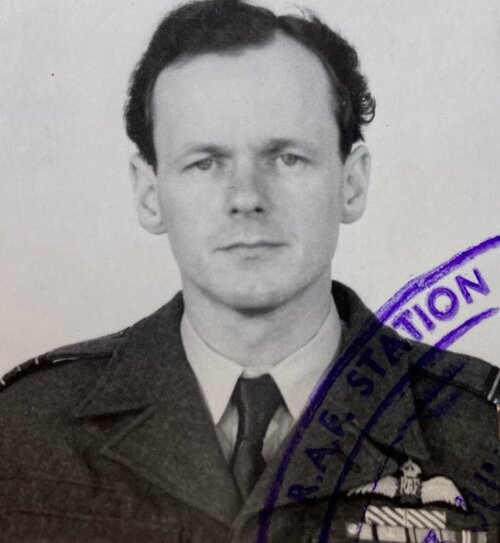
His R.A.F. Instrument Pilot Rating card, date at R.A.F. Syerston, 26 February 1952, together with a 'Concessional Fare Authorisation' card, issued at R.A.F. Wunsdorf, with portrait photograph, a related Driver's Licence for the British Zone in West Germany and his U.K. Driver's Licence with City of Portsmouth renewal stamps for the period 1949-1953.
Also sold with a quantity of original uniform and flying kit, and other related items, comprising:
(i)
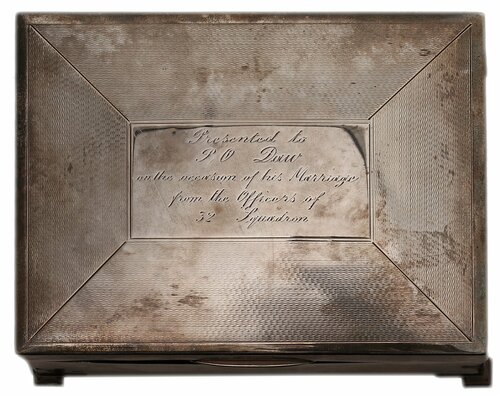
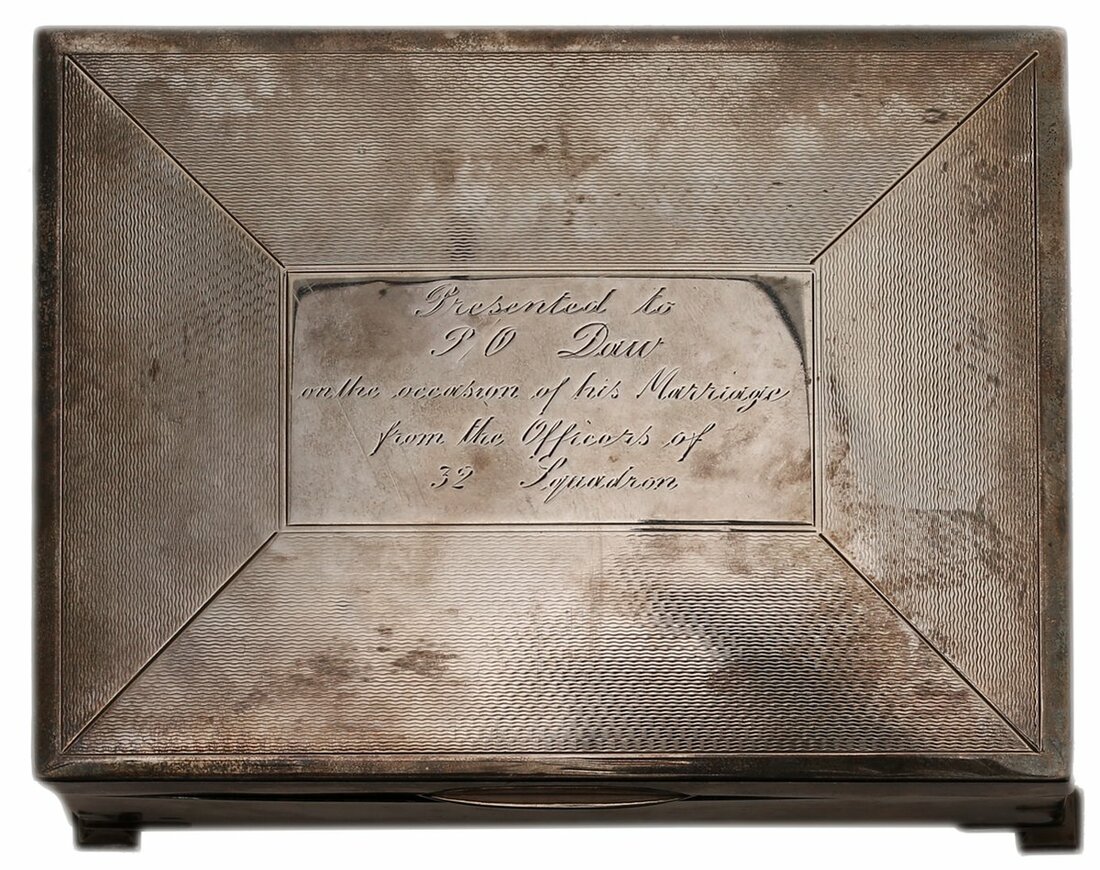
A silver cigarette box, with hallmarks for Birmingham, 1938, the lid with engraved inscription, 'Presented to P./O. Daw on the Occasion of His Marriage, from the Officers of 32 Squadron', the interior with a quantity of his calling cards and, poignantly, several newspaper death announcements.
(ii)
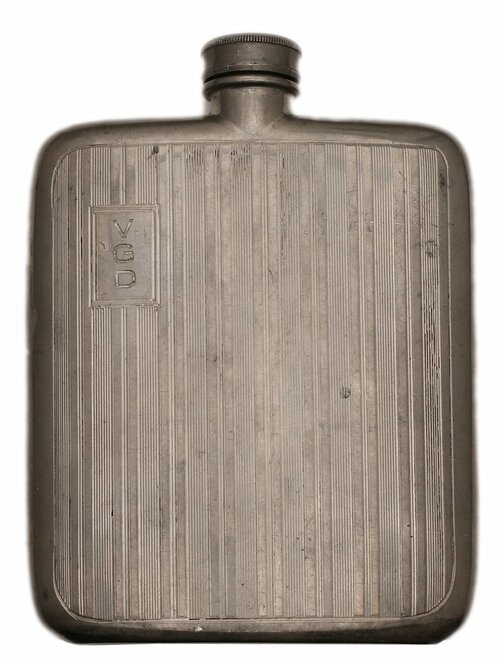
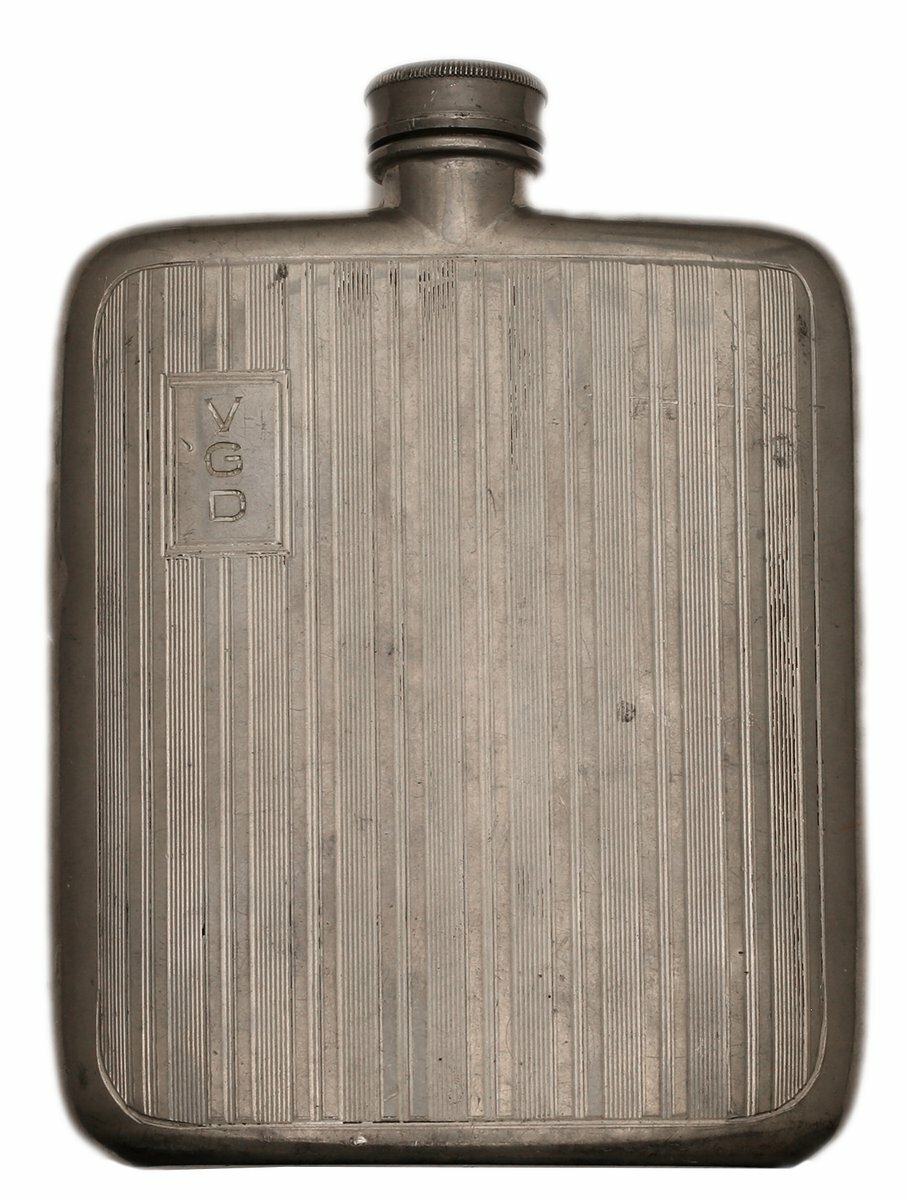
A pewter hip-flask, with initials 'V.G.D.' to front, as used by the recipient in the summer of 1940 and beyond.
(iii)
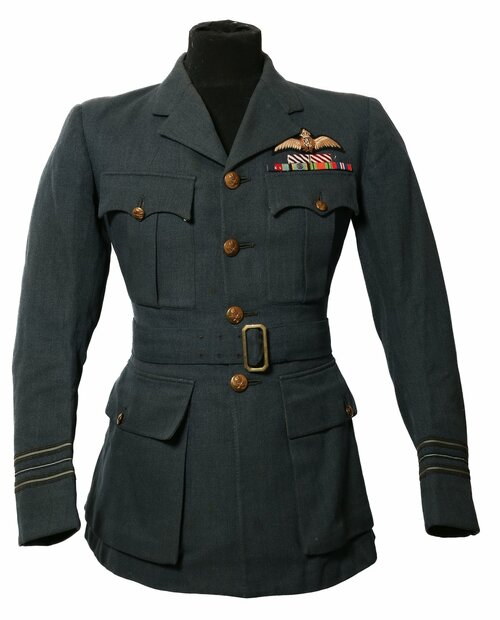
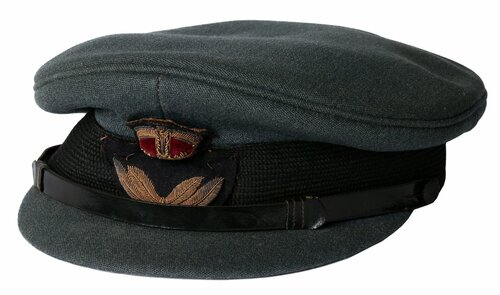
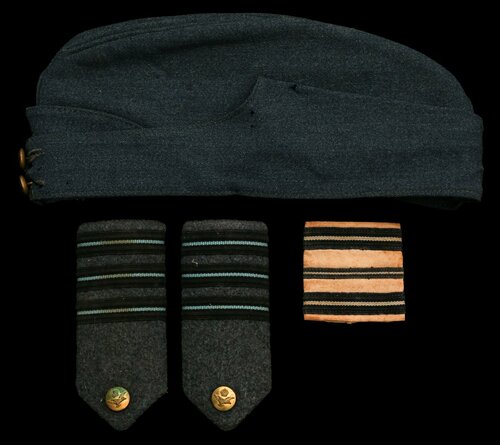
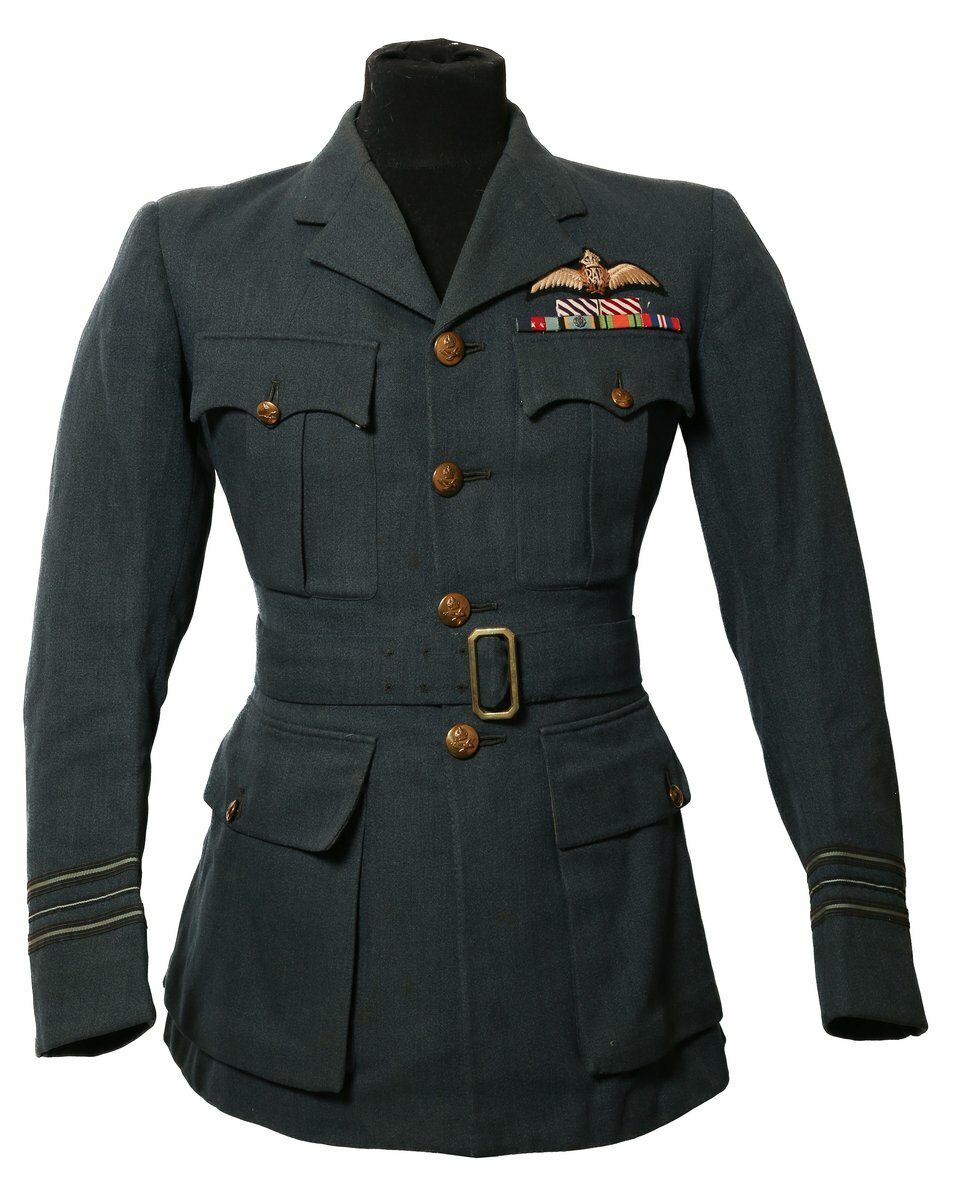
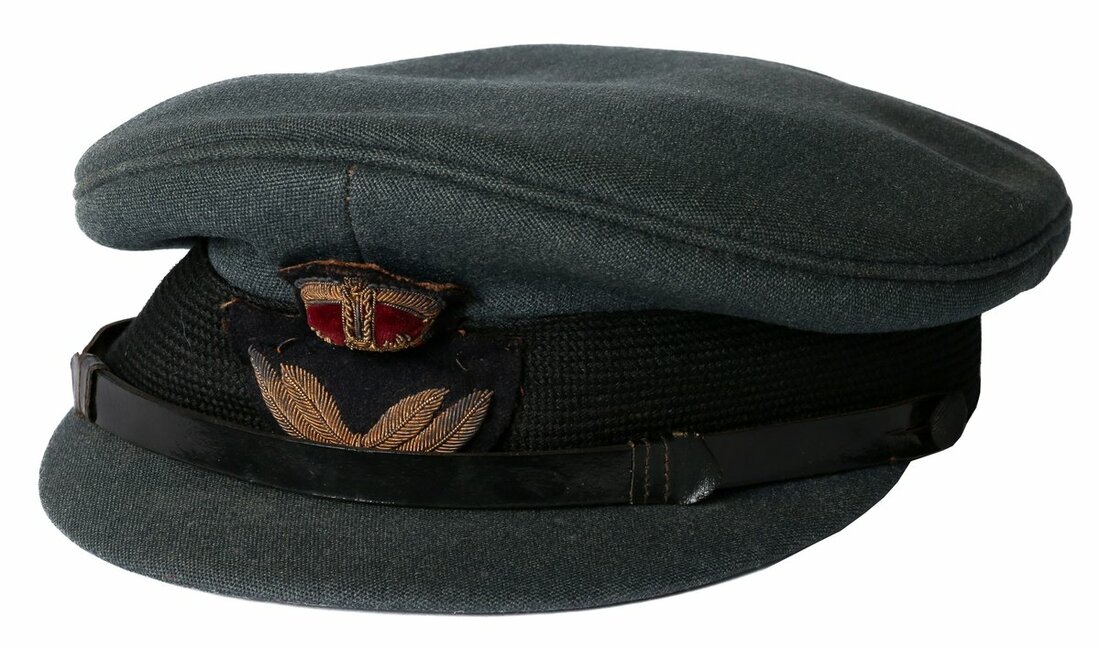
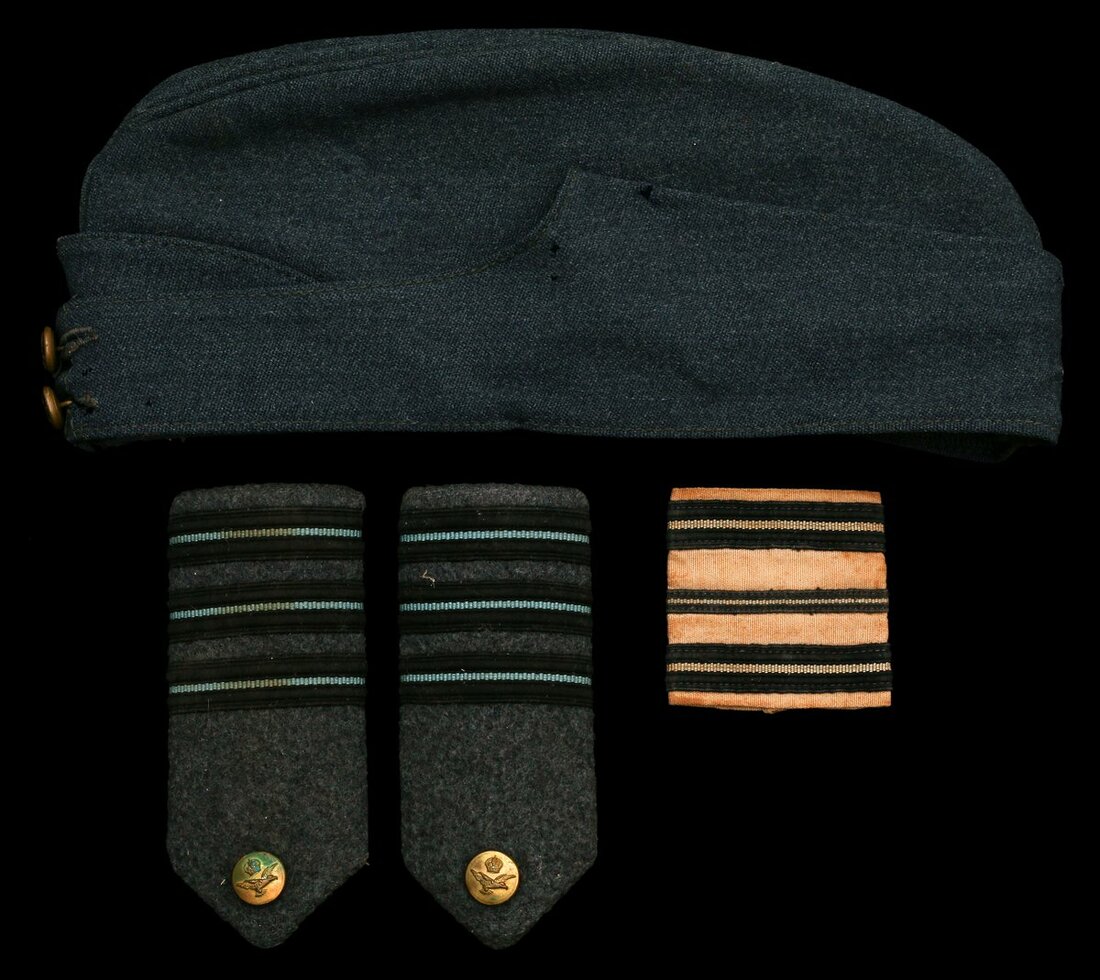
His R.A.F. officer's tunic, with Squadron Leader's rank insignia, medal ribands (rosette absent on the 1939-45 Star riband) and 'Wings', together with his peaked cap (eagle lacking) with Bates of Jermyn Street impressed on internal band, side cap dated 1945 (badge lacking) with moth damage, a pair of greatcoat shoulder boards and a quantity of tunic ribands.
(iv)
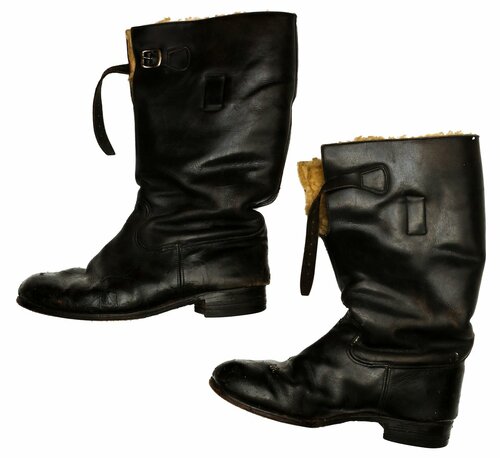
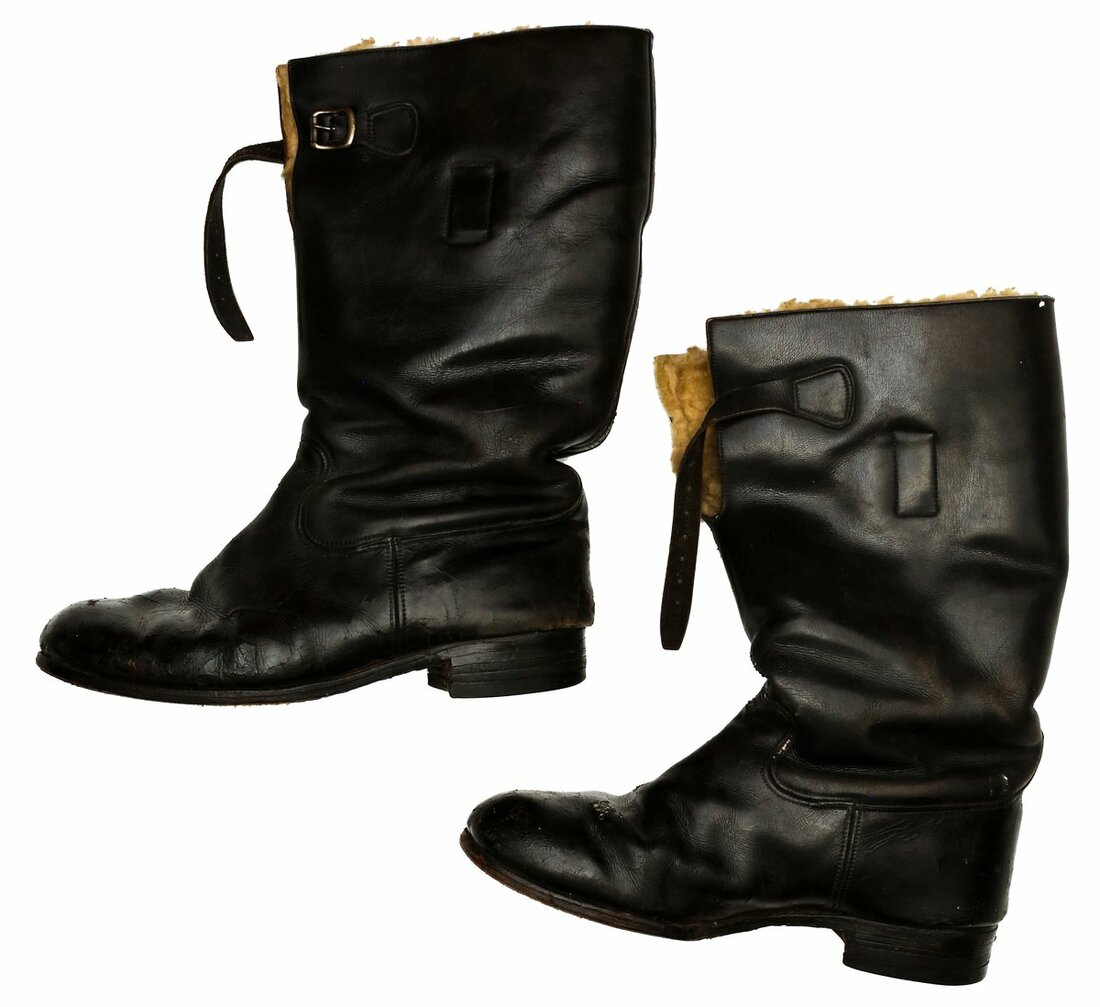
A pair of 1936 pattern, fleece-lined flying boots, with Air Ministry leather label, size 9 and made with 1938 contract date.
(v)
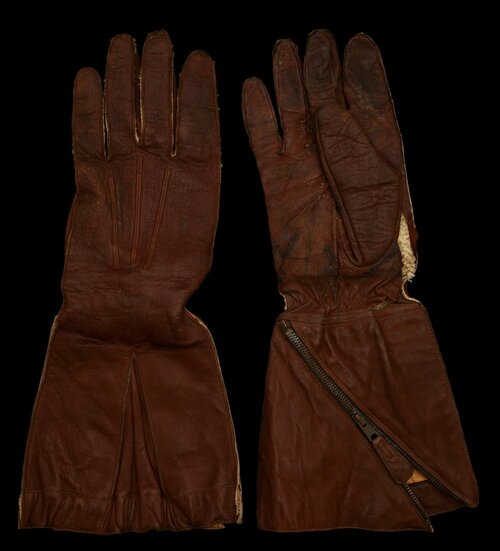
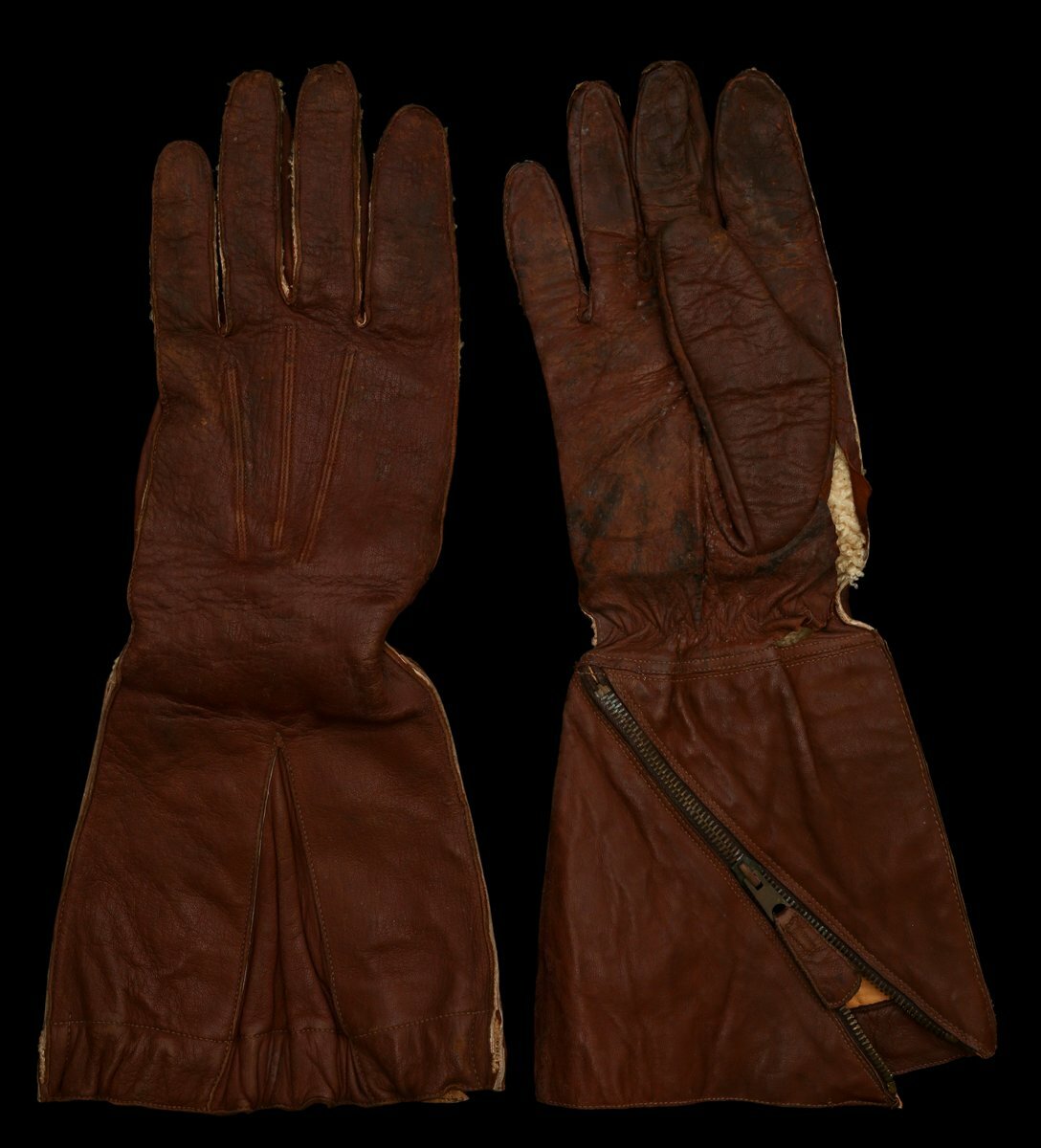
A pair of leather 1941 Pattern flying gloves, size 9 1/2.
(vi)
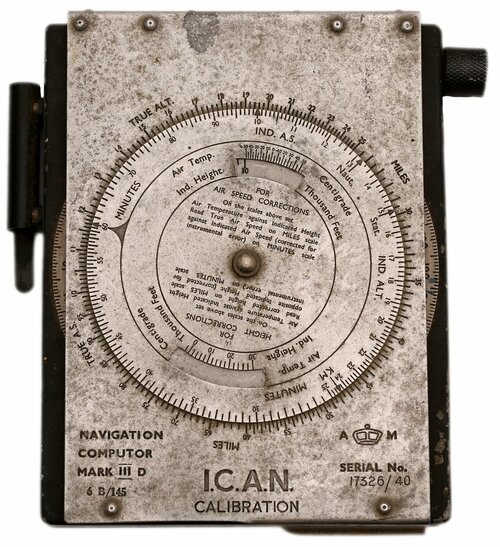
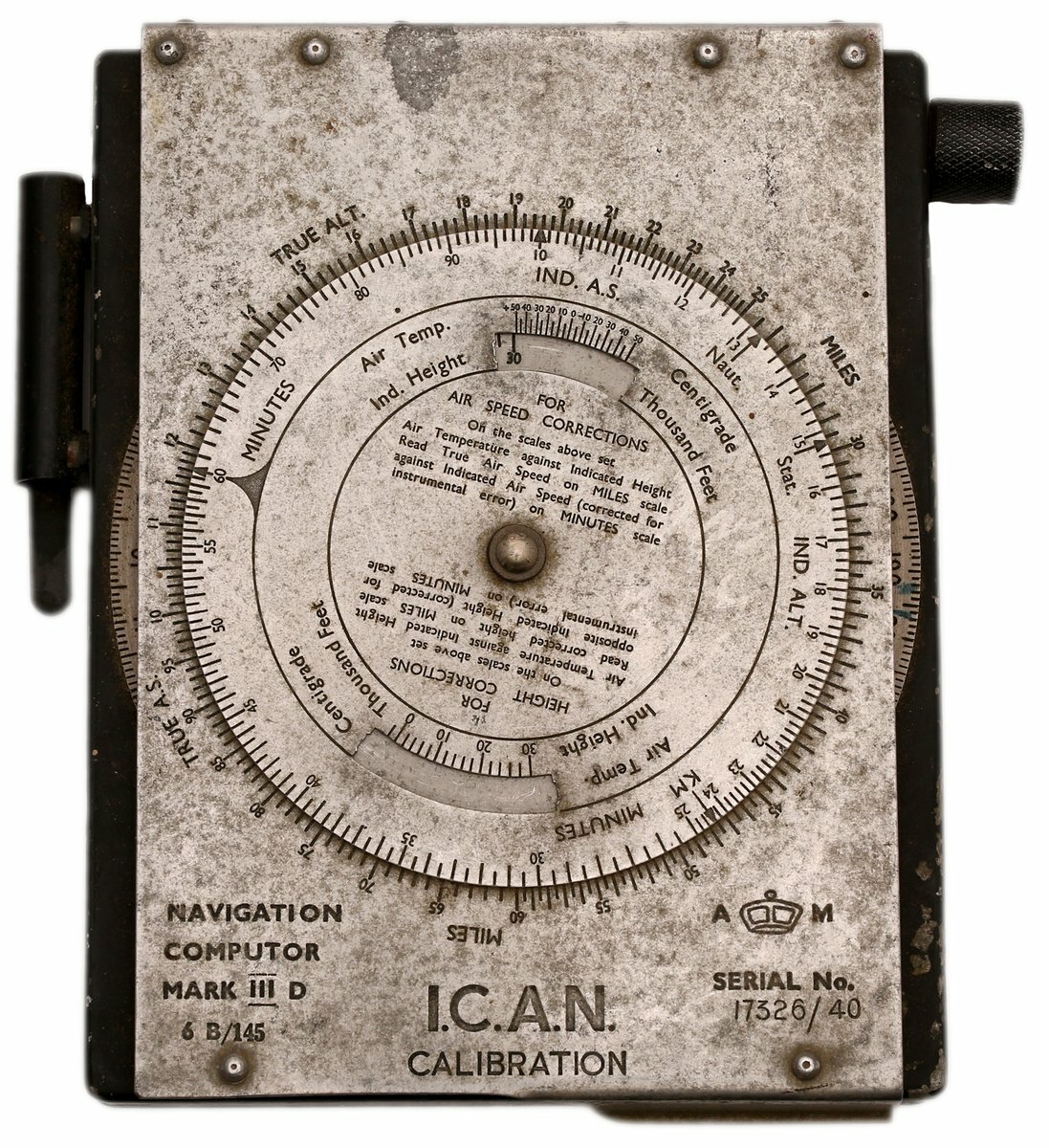
A Battle of Britain period aluminium 'Navigation Computor', Mark III D, with Air Ministry stamp and serial number '17326/40', likely retained by the recipient as a souvenir of the momentous summer in 1940.
Subject to 20% VAT on Buyer’s Premium. For more information please view Terms and Conditions for Buyers.
Estimate
£15,000 to £20,000
Starting price
£12000

Watch, listen and bid as if you were in the room. Now available for auctions worldwide.
Click here to bid live
An exclusive and confidential service for the discerning collector or vendor.
View the Gallery
Download every Spink catalogue on your iPad, iPod or iPhone using free Spink app.
Download From iTunes© 2026 Spink & Son. All rights reserved.