
Auction: 26001 - Orders, Decorations and Medals
Lot: 216
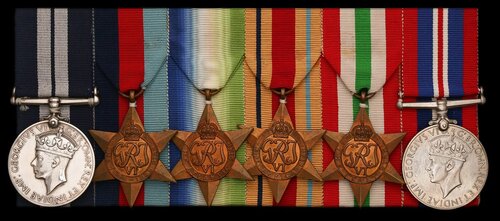
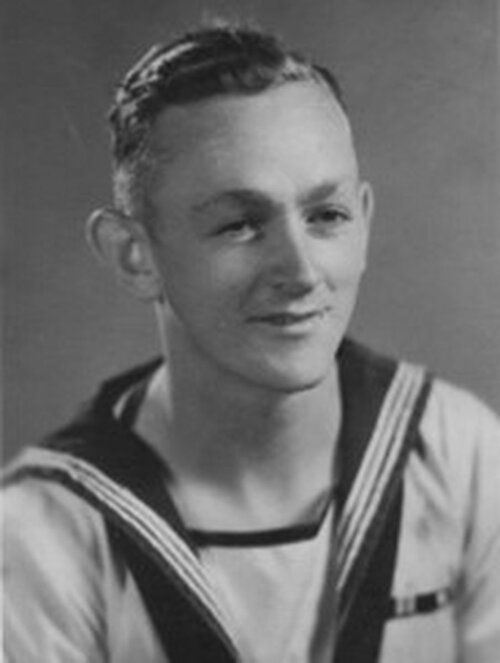
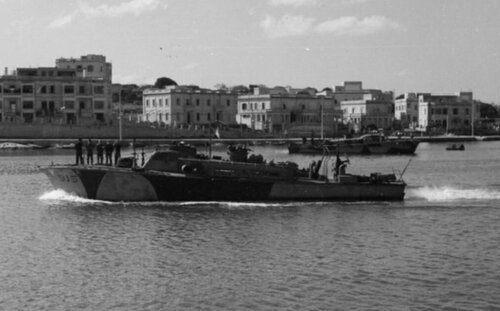
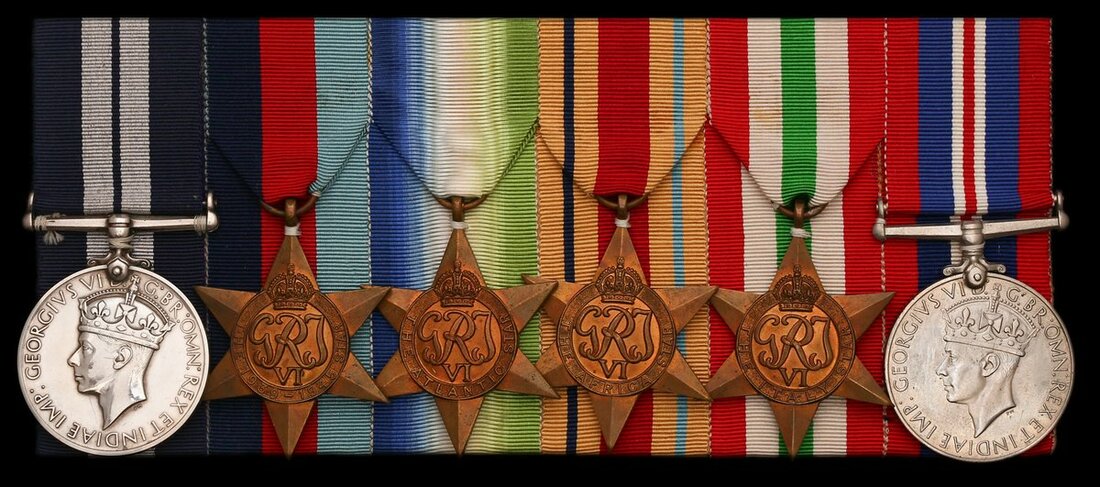
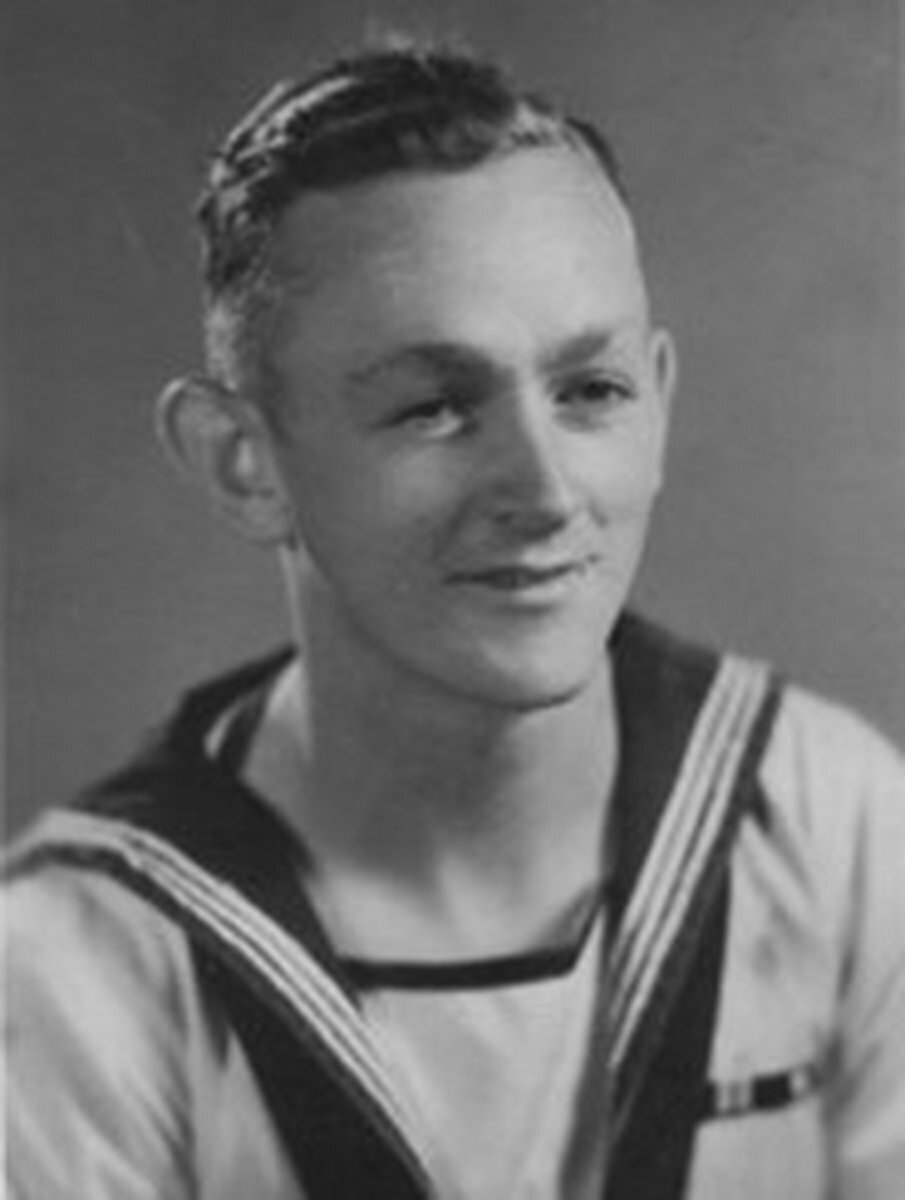
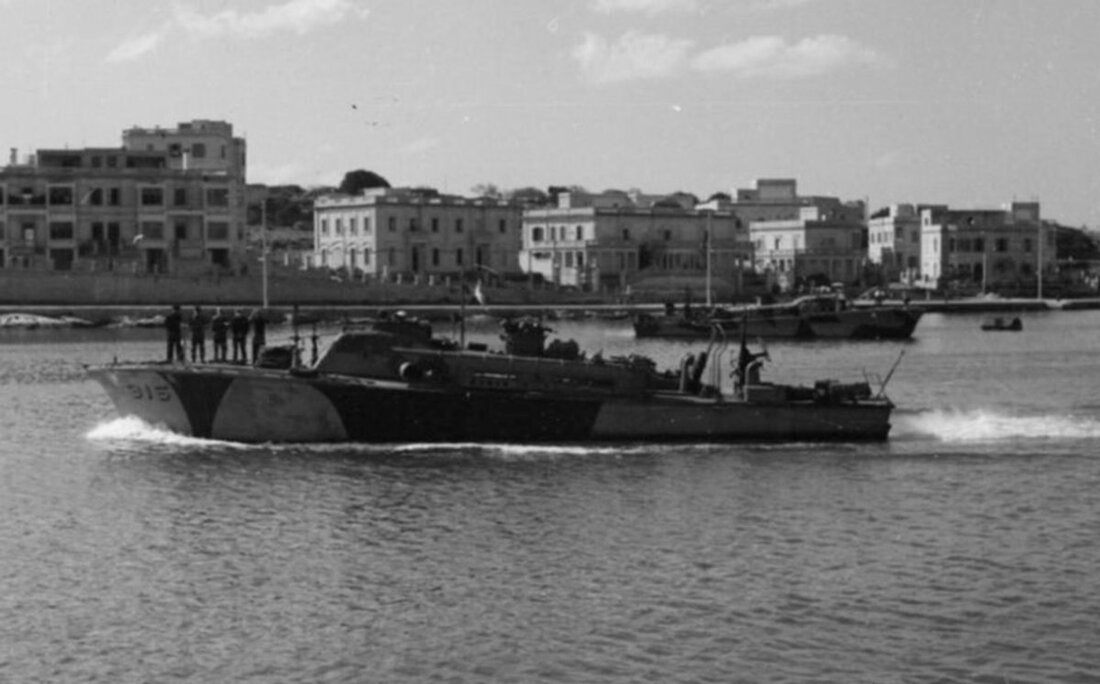
The immediate 'Coastal Forces' D.S.M. group of six awarded to Able Seaman J. H. Annetts, Royal Navy, who was serving on MTB 315 in the Mediterranean when he won his decoration in a hotly-contested action off Cape Zebib on the night of 31 March 1943
Distinguished Service Medal, G.VI.R. (P/JX.162659 J. H. Annetts. A.B.); 1939-1945 Star; Atlantic Star; Africa Star; Italy Star; War Medal 1939-45, very fine (6)
D.S.M. London Gazette 6 July 1943:
'For bravery in skilful and determined attacks on enemy shipping in the Mediterranean made from light coastal craft and from the air'.
The original recommendation states:
'Able Seaman Annetts as seaman torpedoman of the boat showed initiative and carrying out his duties in an energetic manner under accurate enemy fire, assisted largely throughout the whole action.'
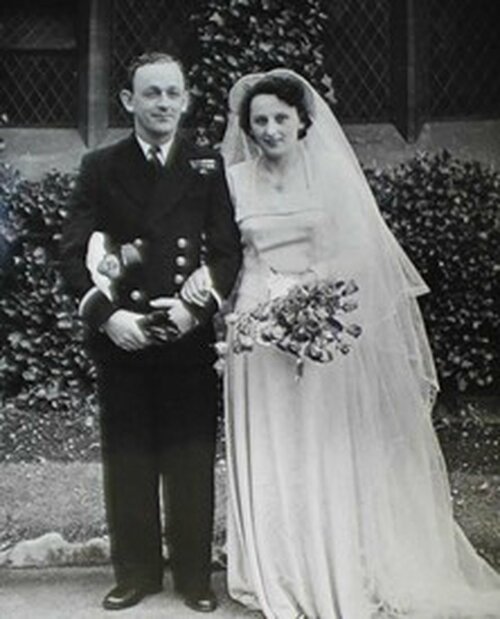
John Henry Annetts was born at Anglesey, Wales on 25 December 1922. Enlisting in the Royal Navy he was posted to Coastal Forces.
Annetts was decorated for his gallantry as an Able Seaman in M.T.B. 315 in a classic Coastal Forces hit-and-run attack on a heavily defended enemy convoy off Cape Zebib on the night of 31 March-1 April 1943. All three enemy ships in the convoy were sunk, two by M.T.B.s 266 and 315, and the third by a Fleet Air Arm torpedo strike; the protective screen was formidable, comprising an Italian corvette and four Italian torpedo boats, and three German Submarine-chasers.
M.T.B. 315 was operating out of Algiers in the 10th M.T.B. Flotilla at the time and was commanded by Lieutenant R. R. Smith, R.N.V.R.; she had arrived at Mosquito, the Coastal Forces base at Alexandria, back in March 1942 and seen much action in the interim, including an attempt to land troops in the ill-fated Tobruk raid Operation "Agreement".
Of events on the night of 31 March 1943, 266's C.O., Lieutenant R. R. Smith, R.N.V.R., takes up the story:
'I started engines and commenced to close the enemy at slow speed for a silent attack. The night was very dark, and visibility was further reduced by a slight haze and the spray caused by heavy seas. It was extremely difficult to distinguish at first between merchant ships and their escort. I finally identified two destroyers and a number of E-Boats [in fact Italian torpedo boats] sweeping close ahead of three merchant ships; I reduced speed to allow this screen to pass ahead of me. Speed was then increased to carry out a torpedo attack on the second ship in the convoy.
At 0005 two torpedoes were fired at this ship. One of the escorts and one merchant ship then opened fire and I turned away and, proceeding at high speed, ran across the bows of the third merchant ship which M.T.B. 315 was attacking. I observed one of my torpedoes explode between the bridge and the funnel of the merchant ship and it is probable that the second was also a hit, as the ship sank very quickly; 315 running through the survivors about two minutes later.
M.T.B. 315 observed the first torpedo hit the enemy's port side, just abaft the foremast; he then crossed under the enemy's stern and fired from the enemy's starboard beam. A further explosion resulted and when this subsided the ship had completely disappeared. I attempted to close the destroyer on the starboard quarter of the convoy to attack her with depth charges, but the destroyer opened fire whilst I was still some distance away and I then turned away and passed between the after screen without sustaining any damage.
M.T.B. 315 disengaged ahead of this destroyer on the starboard quarter and, steering due North came under accurate fire from the destroyers and E-Boats. 315 sustained superficial damage and one slight casualty. The boats reformed in position off Cani Rocks and course was set for Bone.'
Flag 4
The Coastal Forces Heritage Trust, Newsletter, Issue 25, November 2019, expands on the events of the night of 31 March 1943:
'Flag 4 was the executive single flag hoist for "Attack with Torpedoes". It was also the title of Dudley Pope's book which vividly recounts the Coastal Forces war in the Mediterranean and which has provided many of the details for this short article. Tacticians, historians, and veterans will never agree which was the "perfect" torpedo attack. In the 5 years of war across the Mediterranean theatre, there were many from which to choose. Interestingly, a comparison of the totals of torpedoes fired by Coastal Forces against the Submarine Service shows 27% hits for the former, against 22% for the latter.
I choose a particular engagement of Cape Zebib on the night of 31 March/1 April 1943, not only because it was, by any measure, very successful but also because the lead-up was clearly most unsuccessful - only half of the original force of 4 MTBs took part and the conditions at the time were appalling for MTB operations. In early 1943, MTBs of the 10th Flotilla, under the command of Lieutenant Denis Jermain, were based at the port or Bone (now known as Annaba), on the north eastern corner of Algeria. From the end of 1942 Allied forces were being supported with essential supplies coming into Bone. The port was crucial in the invasion of Tunisia and the eventual defeat of the Axis forces in Africa. An enemy convoy was reported off Cape Zebib, the headland at the northernmost point of Tunisia, bound for Bizerta. Four MTBs, 316 (with Jermain as Senior Officer), 265, 266 and 315 were sent to intercept. (All were lend-lease 70-foot or 77-foot ELCO torpedo boats which had been shipped across from America via the Cape of Good Hope and Suez.)
The weather was extremely unpleasant, a 20-plus knot wind, heavy swell and much haze. One of the MTBs, 265, reported a man overboard, was detached to carry out a search and told not to attempt to re-join. An hour later Jermain's boat, 316, developed engine problems and could not go on.
There was too much sea running for Jermain to attempt a transfer. MTB 266, with Lieutenant Richard Smith RNVR as SO, and MTB 315 (Lieutenant Leonard Newall, RNZNVR) were ordered to continue. At 2310 the two boats arrived north of Cape Zebid and cut engines to wait and listen. Forty unpleasant minutes of severe rolling in the swell followed before the convoy, consisting of three merchant ships, two destroyers and several E-Boats was spotted. The MTBs were not seen until the torpedo attack. It was the perfect ambush. 266 got in close and fired both torpedoes at the second merchant ship. Both hit and the ship sank very rapidly. 315 got in very close also to the next ship and fired both her torpedoes and these to hit. Smith in 266 spotted a destroyer on the starboard quarter of the convoy and, having no torpedoes left, decided to attempt a depth- charge attack. However, the MTB was severely outgunned and had to withdraw. Newall in 315 also came under sustained fire. Both MTBs had to make a run for it. Two merchant ships carrying vital supplies and munitions for the Africa Corps had been sunk.
However, the winds increased to full gale and both MTBs had a long battle to get back. In fact, 315 had broken its back and was taking in water. They could make no more than 8 knots. Eventually they reached the port of Tabarka, 80 miles east of Bone. This action demonstrated the advantages foul weather and the effectiveness of a good ambush, letting the advance escorts pass and then getting in very close to the main targets.
The two commanding officers, Richard Smith and Leonard Newall, were awarded Distinguished Service Crosses and there was a total of four Distinguished Service Medals and several Mention-in-Despatches'.
Night Action -17 July 1943, in the thick of it again, Operation 'Scylla'
On the night MTB 316 was lost Jermain had led a patrol of four of his boats, 315 (Newall), 260 (Wadds), 313 (Foster) and 316 (Adams), Northwood from Augusta to their patrol area.
Len Reynolds in Mediterranean MTBs at War describes what happened next:
'They stopped 2 miles short of Messina. They were expecting-if they saw anything-to be lucky enough to intercept landing craft or E-Boats, but to their intense surprise their first sighting was a large Italian cruiser steaming at full speed through the narrow channel straight for them. There was hardly time to do anything more than attempt to get into an attack position. 315 and 316 shot across to the eastern side, presumably hoping to find a firing angle on the cruiser's port beam, and the cruiser turned slightly towards them leaving her starboard side vulnerable to an attack. She was pouring out shells of every calibre on both sides, and almost at once 316 (to port) was hit at very close range and blew up in a sheet of flame. 260 and 313, both on the cruiser's starboard bow, scrambled to fire their torpedoes. Harry Wadds in 260 got his away, and although he thought one had hit, the cruiser did not check its speed. Alec Foster in 313 was not as fortunate. His First Lieutenant, Sub-Lieutenant Norman Ilett, described later what he saw of the action. He was aft by the Oerlikon when he saw Dick Adams' 316 blow up only a short distance to starboard. She had been almost alongside while the boats had been stopped, exchanging calm shouted conversation only minutes earlier. He was just thinking that very shortly 313 might go the same way, when he was summoned to the bridge and found Alec Foster sitting on the deck with a leg wound. The coxswain told him what had happened, in richly descriptive, highly flavoured Liverpudlian. The CO had been hit and knocked over as the coxswain was sighting before firing the torpedoes at a range of about 300 yards. He'd put the wheel over to disengage, but Alec Foster-probably not clear what was happening-had scrambled to his feet and pulled the firing levers. As Ilett put it, the torpedoes were doubtless on their way towards the toe of Italy.
There was no sign of 316, nor of wreckage or survivors. Nothing could be done for her. Ilett found the spare officer of the 10th flotilla, Sub-Lieutenant John McKim, lying on his back in the wheelhouse under a blanket; he was conscious but obviously badly wounded. He died about half an hour later. 313 had clearly been hit by a number of close-range weapons shells, but everything that was needed seem to be working, and Ilett set off for Augusta. He transferred the CO to a cruiser at first light for medical attention.
Meanwhile Jermain with 315 and 260 was chasing the cruiser down the Strait and watched her as she turned to port and made eastward for Taranto, incidentally, being attacked by an Italian plane. The next morning Sub-Lieutenant McKim was buried at sea off the seaward end of Augusta's swept channel with full naval honours, and the flotilla mourned the loss of 316 and her crew'.
19/20 October 1943 attack
In September the 10th MTB flotilla with MTB 315 moved from Sicily to the eastern Mediterranean, and in October 1943 were based at Casteloriso in the Aegean.
Len Reynolds, Mediterranean MTBs at War takes up the story again:
'On the night of 19/20 October, MTB 315 in company with MTB.307 and MTB.309 attacked a coaster and two F-lighters near Kalimnos. 315 hit an F-lighter, which caught fire and exploded. 307 hit the coaster with a torpedo and 309 fired at the second F-lighter, but torpedoes ran underneath'.
11 November 1943 and the rescue of British Yard Mine Sweeper >2072
On 11 November 1943, BYMS 2072 and 2073 arrived at Alinda Bay on the east coast of Leros and disembarked the urgently needed men and supplies. After taking cover throughout the next day, BYMS 2072 parted company with her sister ship BYMS 2073 to return to Alinda Bay with cables for the Army Signal Corps.
In early evening, as she approached Leros BYMS 2072 was attacked by the Luftwaffe. She took immediate evasive action, with four bombs narrowly missing her. Out of sight, and unheard above the noise of the ship's engines, four German DO-217 bombers, armed with eight glider bombs, attacked.
The 2074 experienced a direct hit on the port side. The explosion blew the port 20mm gun, its platform and two gunners into the sea. As BYMS 2072 heeled over to 45 degrees the mast collapsed resulting in the loss of a third crewman and injury to another.
Following the distress message, the Royal Navy sent the motor launch ML 299 and motor torpedo boat MTB 315 to their aid. The commanding officer of MTB 315 piloted BYMS 2072 into the bay where the dead and wounded were removed.
Annetts died at Bangor on10 December 2008.
Subject to 20% VAT on Buyer’s Premium. For more information please view Terms and Conditions for Buyers.
Sold for
£3,200
Starting price
£1900

Watch, listen and bid as if you were in the room. Now available for auctions worldwide.
Click here to bid live
An exclusive and confidential service for the discerning collector or vendor.
View the Gallery
Download every Spink catalogue on your iPad, iPod or iPhone using free Spink app.
Download From iTunes© 2026 Spink & Son. All rights reserved.