
Auction: 26001 - Orders, Decorations and Medals
Lot: 143
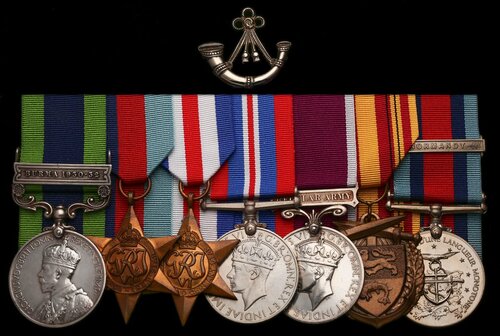
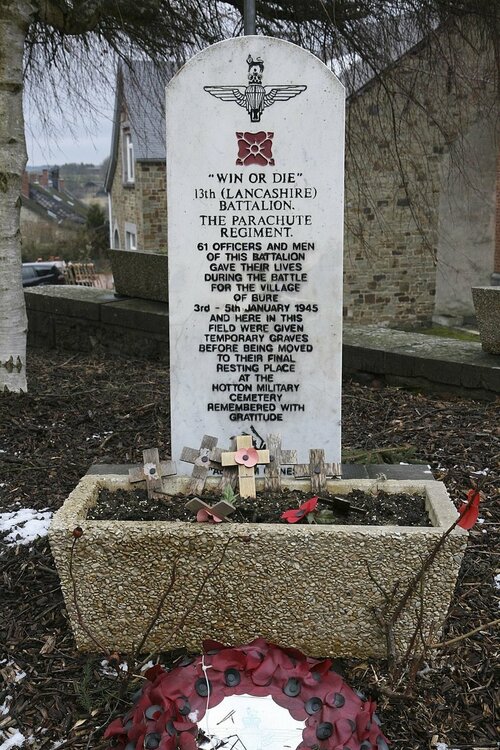
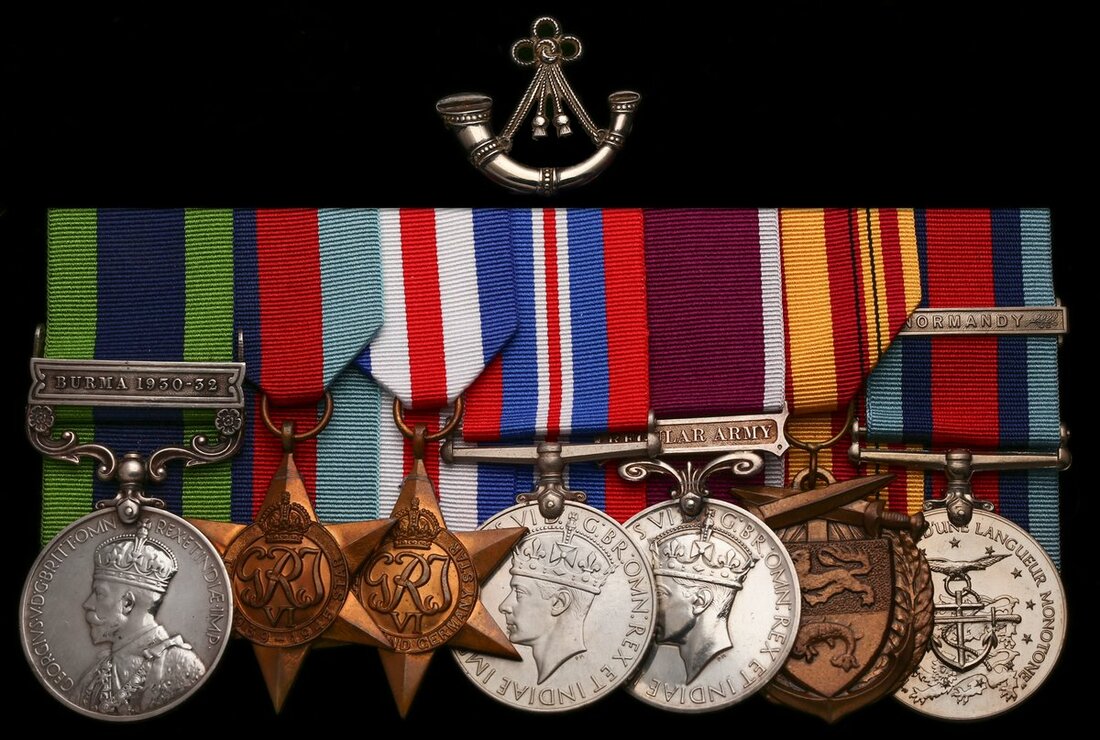
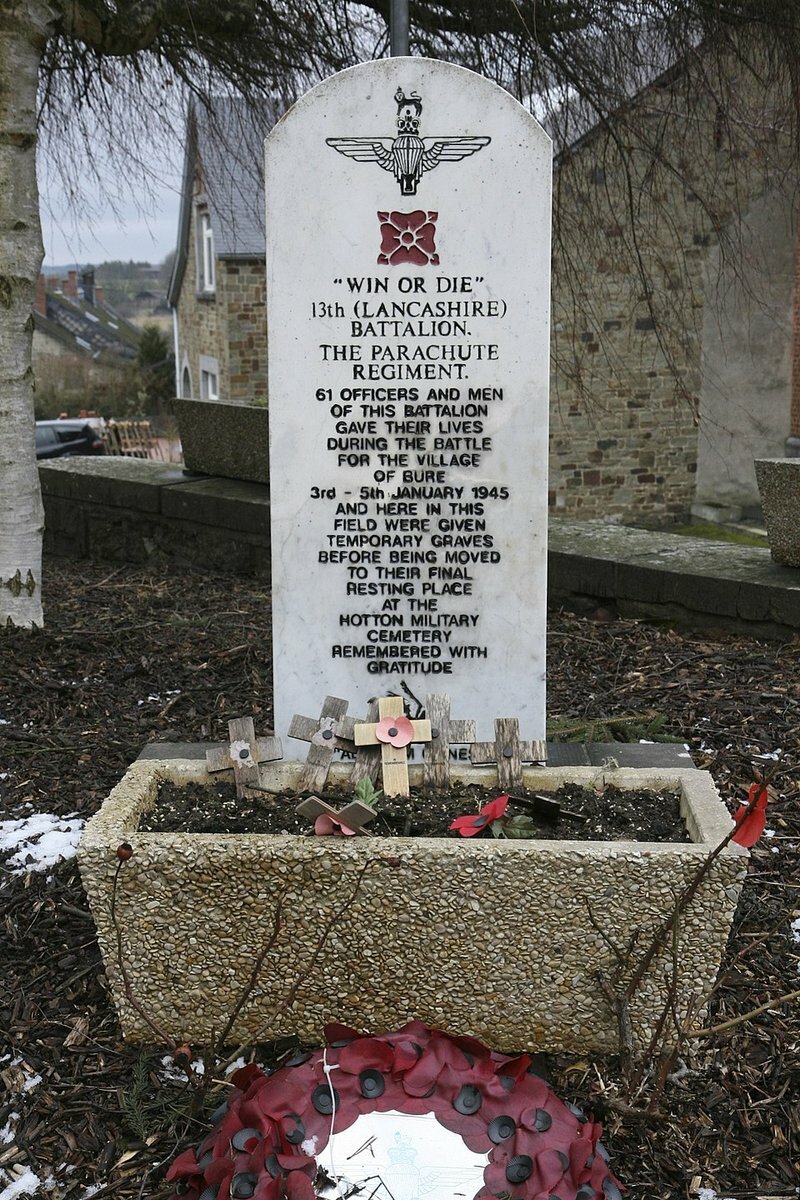
(x) Five: Captain F. Tremlett, 13th Battalion, Oxfordshire & Buckinghamshire Light Infantry, later Army Air Corps, who saw action during the Fall of France as an other-rank before returning to the Continent as an Officer and taking part in some major airborne operations, notably the Battalion's epic three day clash at the Battle of Bure, January 1945 and Operation Varsity
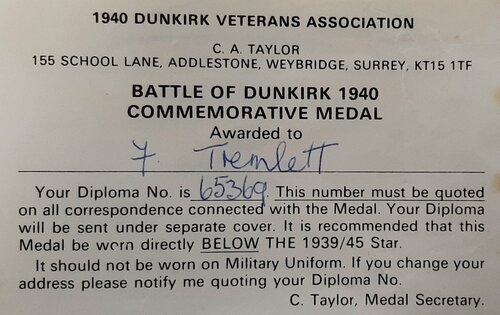
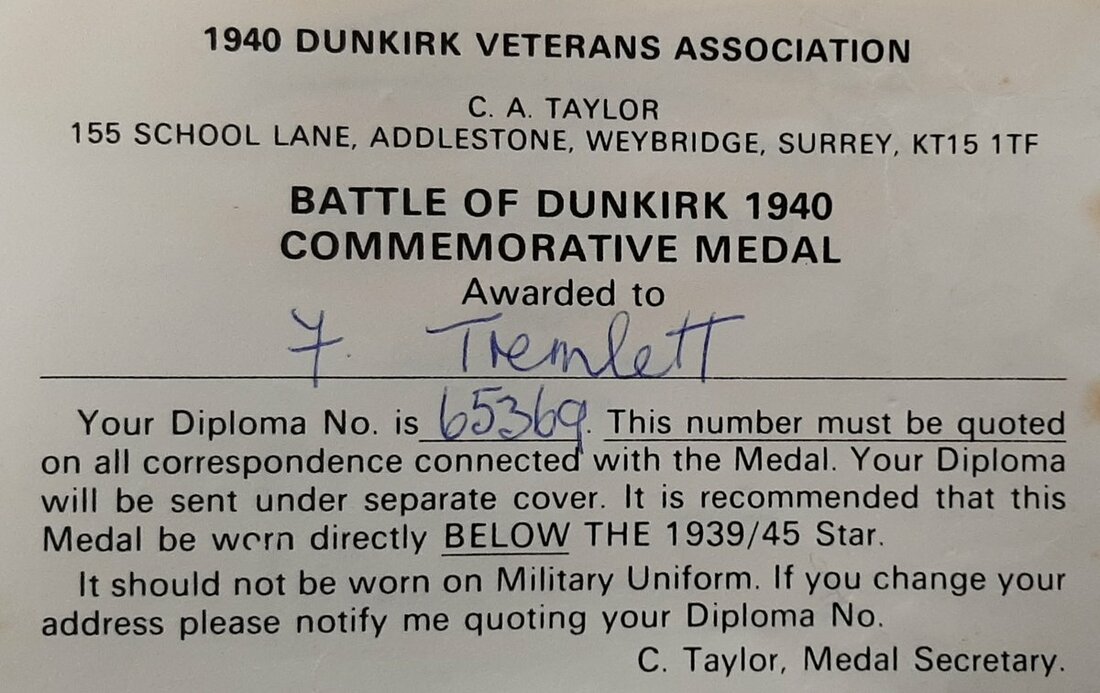
India General Service 1908-35, 1 clasp, Burma 1930-32 (5378595 Sjt. F. Tremlett. Oxf. & Bucks. L.I.); 1939-45 Star; France and Germany Star; War Medal 1939-45; Army L.S. & G.C., Regular Army, G.VI.R. (Lieut. (Q.M.) F. Tremlett. Oxf. & Bucks.); unofficial, Dunkirk Medal; National Service Medal, 1 clasp, Normandy, numbered'14947' mounted for wear, minor polishing to first, overall good very fine (7)
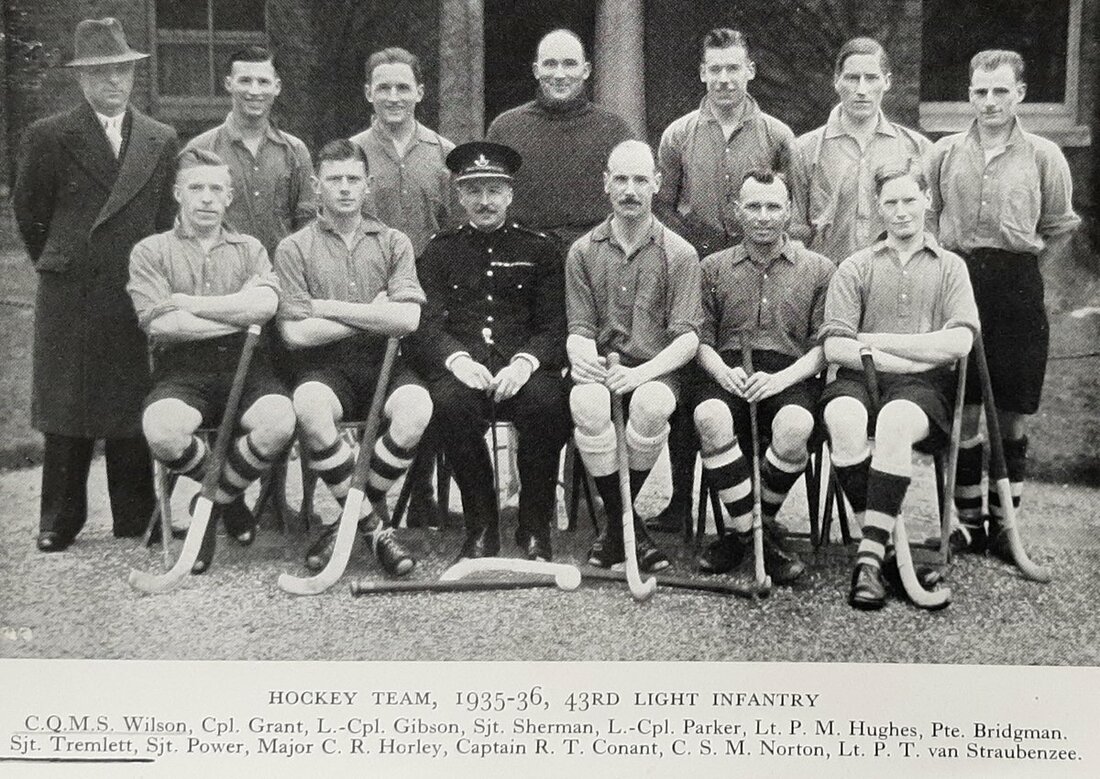
Frederick 'Freddie' Tremlett was born in Bristol on 29 October 1907, the second youngest child of William and Louisa Tremlett. Educated at St Michaels in Bristol, he attested for the Army on 4 January 1926 he was initially allocated to the to the Royal Berkshire Regiment with the service number 5378595. The next day however he was to be re-allocated to the Oxfordshire and Buckinghamshire Light Infantry, the unit he was to serve with for the rest of his service.
India and the Fall of France
Posted to 1st Battalion he joined the British Army of Occupation in Germany on 5 July 1926, being appointed Lance Corporal on 8 February 1927. Returning to Britain on 11 September 1927 he proceeded to India on 13 October 1930 where he joined the 2nd Battalion. Promoted Corporal there on 15 June 1928 he was further advanced Acting Sergeant on 22 April 1930 and Lance Sergeant on 18 November of that same year.
Taking part in operations in Burma on 16 November 1931 with the same unit Tremlett returned to England on 5 November 1932 where he was advanced Sergeant on 28 May 1933. Returning to 1st Battalion on 9 December 1935 he was advanced Warrant Officer 2 with them and appointed Platoon Sergeant Major on 1 October 1938, then appointed Company Sergeant Major on 15 December 1938. It was with that final rank that he was to enter the Second World War, being posted to France in September 1939 with the 1st Battalion.
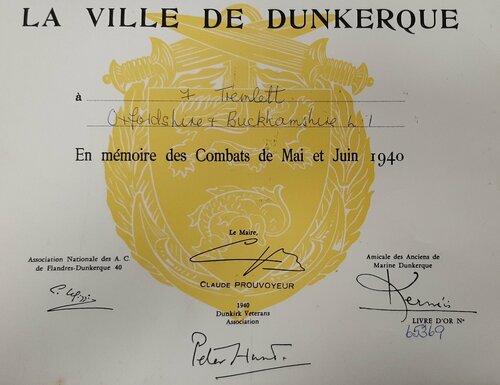
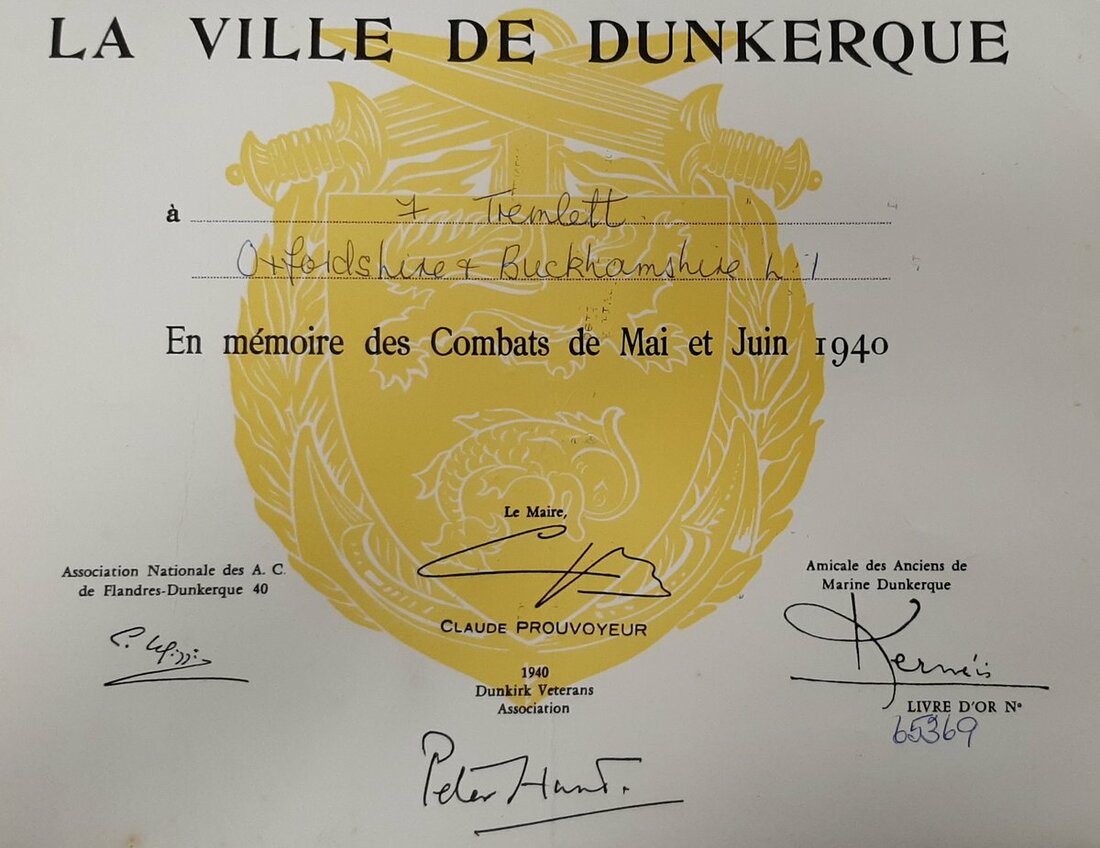
Whilst there Tremlett was promoted to Regimental Sergent Major on 10 December 1939 during the 'Phoney War' which prevailed along the frontiers. His unit was soon to see more than its fair share of fighting however, most notably during the stand made at the Ypres-Comines Canal between 26-28 May. Despite heavy fighting the German advance ground on and they were soon surrounded at Dunkirk, embarking H.M.S. Worcester and S.S. Maid of Orleans at Dawn on 1 June 1940.
Commission and Return to France
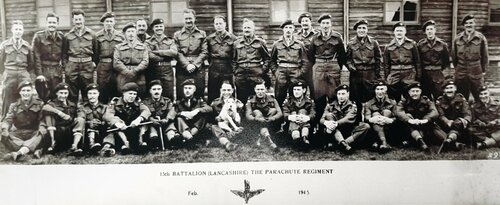
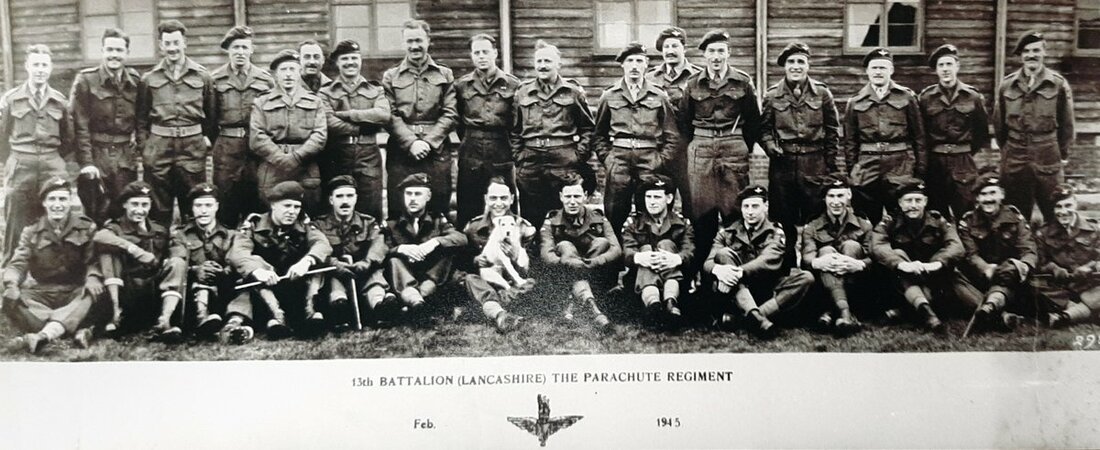
Tremlett was initially to the 4th Battalion on 26 June 1940 however the need for experienced officer to train a new army soon saw him commissioned 2nd Lieutenant (Quartermaster) with 5th Battalion on 15 November 1941. This unit was stationed in Northern Ireland at that time, and he was to remain with them for some time before finally being advanced Lieutenant (Quartermaster) and posted to the 13th (Lancashire) Battalion, Parachute Regiment on 21 July 1944.
This later entry meant that he missed (Operation Tonga) the Airborne Invasion of Normandy however he arrived with them by 3 August and as such was to see some of the fiercest fighting in Normandy. Commencing their advance on 19 August the Battalion- spearheading the attack of 6th Airborne Division- crossed the Dives river at Troarn before advancing on Putot en Auge. Moving through the town they attack Hill 13 but were driven off with losses of 70 killed or wounded, despite attempts to flank the enemy positions they were unable to advance.
The Hill was secured during the night by the Royal Marines and the advance continued with fierce fighting to secure the bridge at Pont L'Eveque which saw German troops firing anti-aircraft guns in infantry support roles. The evening of 22 August saw the town centre alight, the Battalion was forced to withdraw that night having suffered high losses. Further manoeuvring saw the position eventually taken however losses had been terrible and they returned to Britian in September with 16 Officers and 270 men remaining.
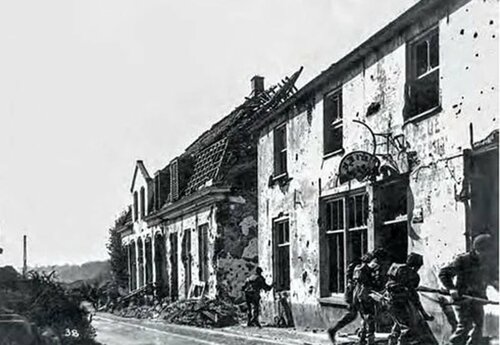
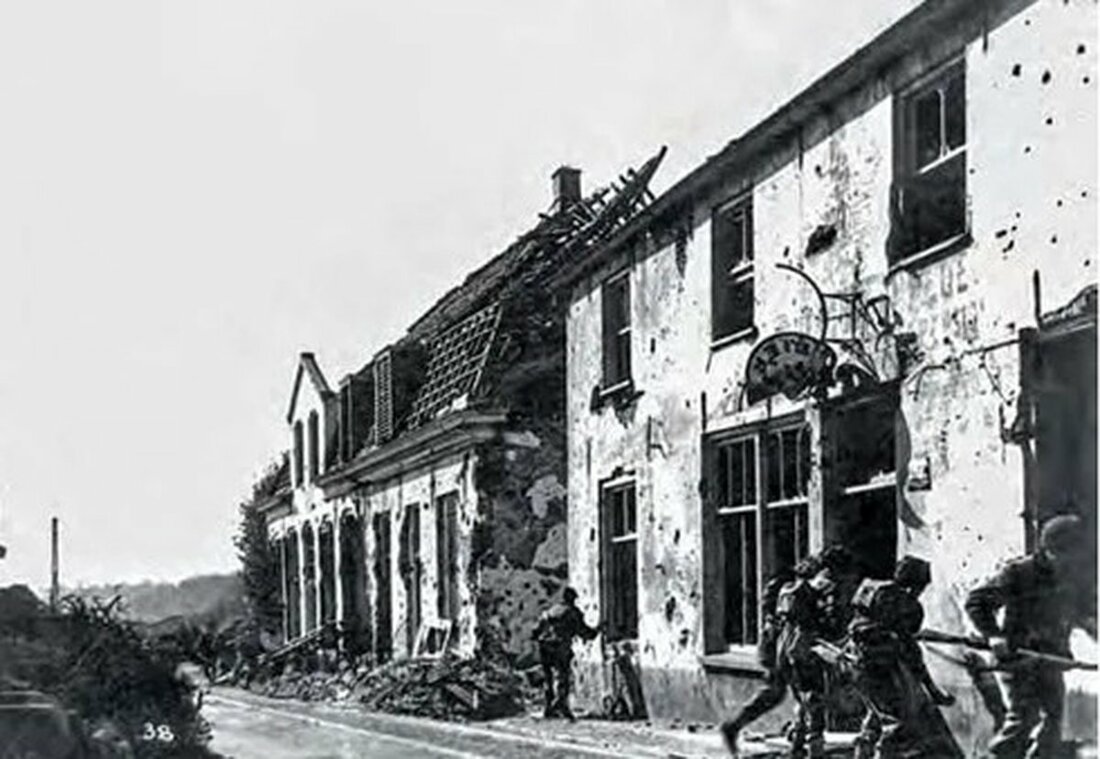
Despite their losses they were soon needed again and found themselves rushed back to France on 24 December to help counter the German advance in the Ardennes whilst attached to the 29th Armoured Brigade. It was there that they were to see appallingly heavy fighting at the village of Bure, a three day action against troops of the 2nd Panzer Division beginning on 3 January.
Even gaining a foothold in the village proved difficult, however after several repulses they managed to do so, establishing a position from which the Germans tried madly to dislodge them. The Battalion fought back bloodily, notably making use of their combat knives to preserve ammunition and prevent the Germans from locating their positions.
On one occasion the battle was so intense that 'A' Company was compelled to call down an artillery strike upon their own positions. Finally reinforced by a company of the 2nd Battalion, Oxfordshire & Buckinghamshire Light Infantry they returned to the offensive on 5 January and drove the Germans from the village.
Their losses were high enough that the Battalion was once again returned to England on 21 February 1945 for a period of rest and reorganisation. From there they were re-assigned to the 5th Parachute Brigade in order to take part in the Operation Varsity, the Airborne Crossing of the Rhine on 25 March. Poor co-ordination saw the 5th Brigade arrive later than the 3rd Brigade with the result that the enemy were well aware of their presence. Despite heavy losses they succeeded in driving the Germans from their positions around the landing grounds before taking their objectives in good time.
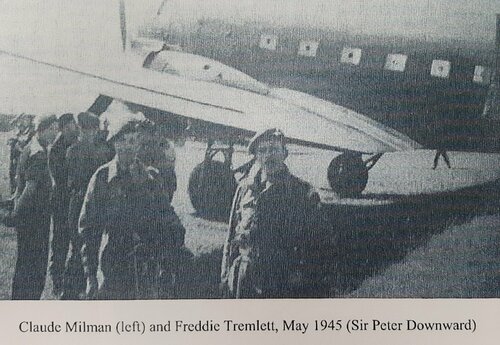
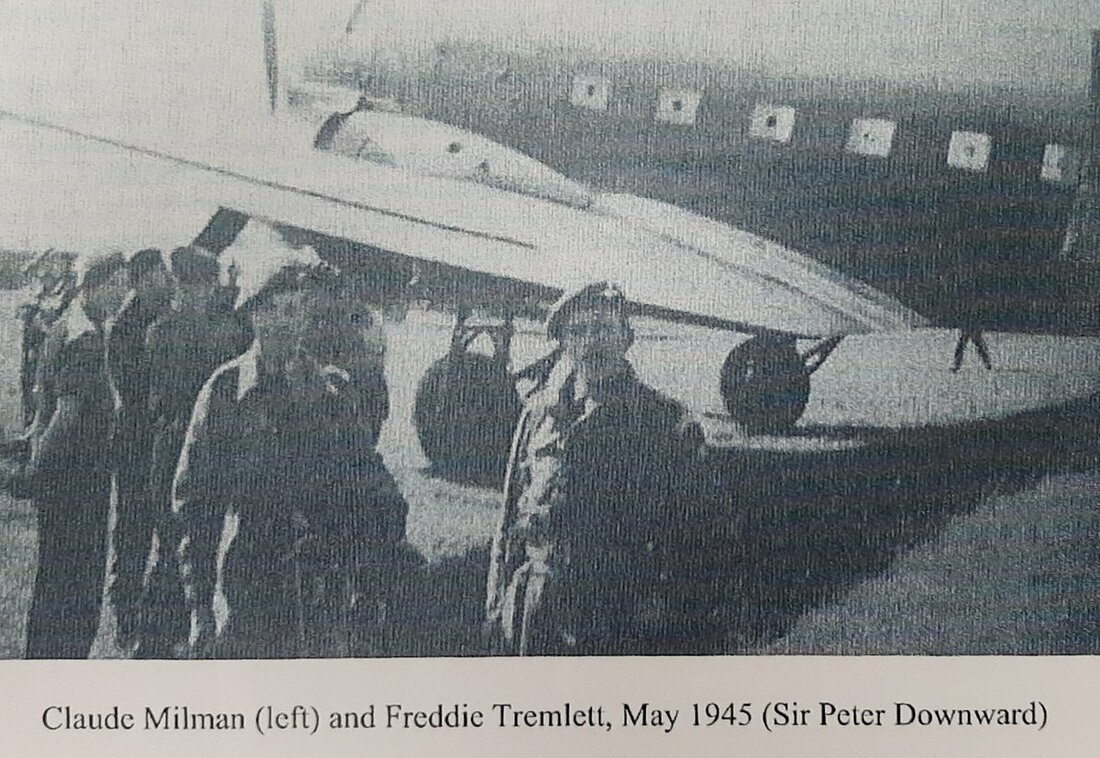
Tremlett remained with the Battalion during the advance across North-West Europe into Germany and to the Baltic Sea where they arrived just before the lead units of the Red Army. He returned to Britain on 19 May 1945 and was posted as a War Substantive Captain to the Army Air Transport Training and Development Centre on 25 August.
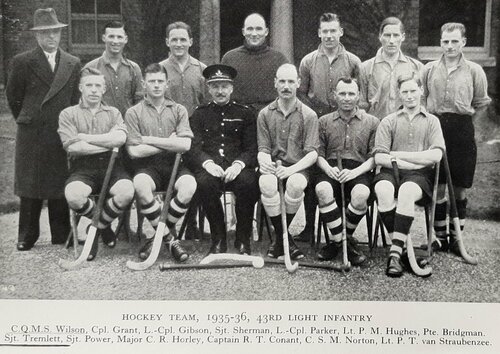
Posted to Army Parachute Training School on 12 December 1946 and to the 12th Battalion, Parachute Regiment (Territorials) on 21 July 1947. Tremlett was resigned his commission on 15 March 1954, settling at St. Luke's Road, Cowley; sold together with copied research including service papers as well as original material including a Cap Badge, slip and certificate of issue for the Dunkirk medal as well as a two photographs.
Subject to 5% tax on Hammer Price in addition to 20% VAT on Buyer’s Premium.
Sold for
£480
Starting price
£320

Watch, listen and bid as if you were in the room. Now available for auctions worldwide.
Click here to bid live
An exclusive and confidential service for the discerning collector or vendor.
View the Gallery
Download every Spink catalogue on your iPad, iPod or iPhone using free Spink app.
Download From iTunes© 2026 Spink & Son. All rights reserved.