image

Previous Lot Next Lot

Auction: 26015 - "The Treasure of the Eagles" Collection of Albania - Part I
Lot: 3040

(x) Austrian Levant (1820-1914)
Scutari d'Albania
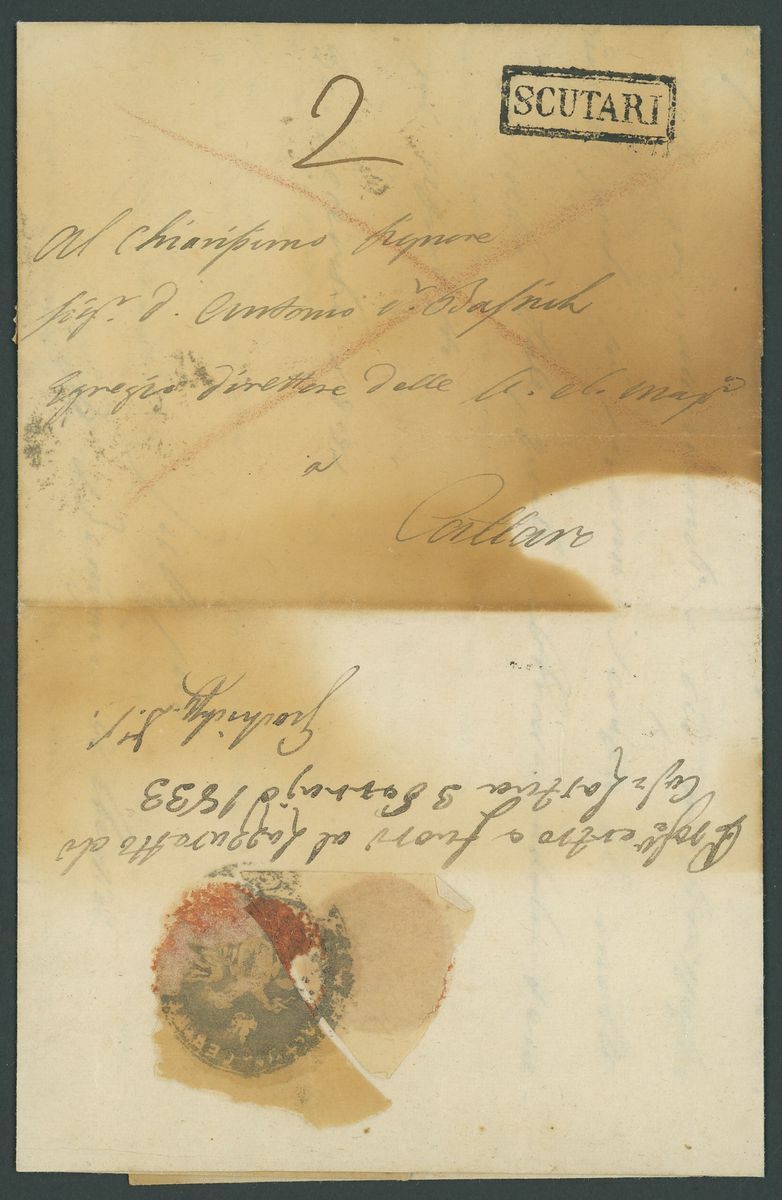
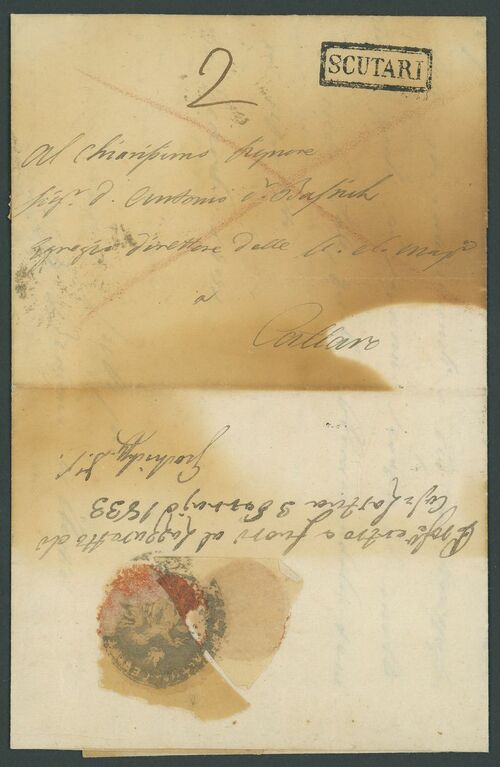
The Unique Letter Bearing the Austrian Castellastua Seal and One of Two Bearing the First Austrian Postmark of Scutari
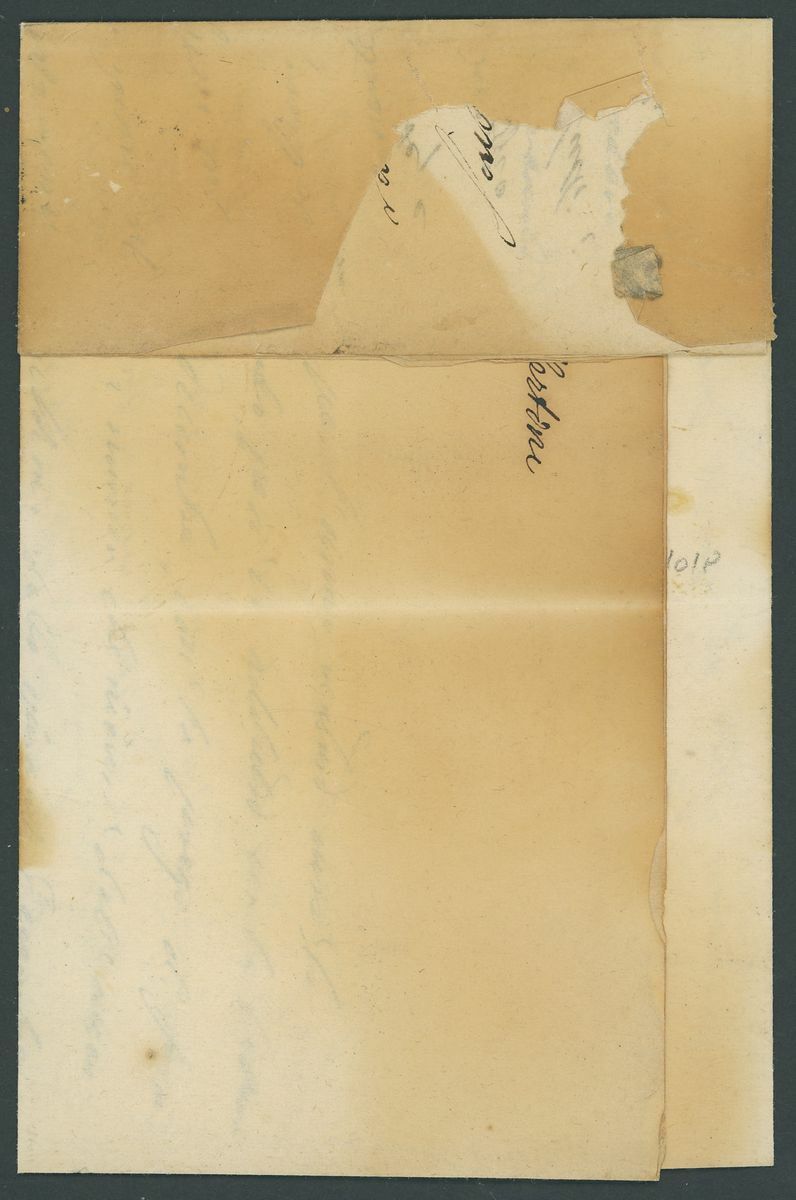
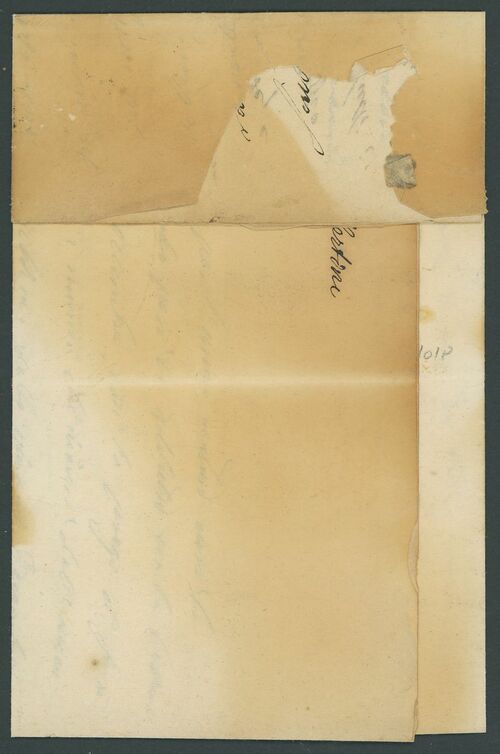
1832 (Dec. 30). Entire letter from the Consular Post Office of Shkodër (Scutari) to Mr. Antonio Tripcovich in Kotor (Cattaro), exhibiting a splendid strike of the framed Austrian "scutari" from this Austrian office opened in Ottoman Albania in 1820, rated at "2" kreuzer for the inland Castellastua-Cattaro carriage, both part of the “Austrian Albania” territory, with a red pencil cross also on obverse denoting payment of the due tariff. The reverse shows a wax seal and a negative “Ces. Rec. Consolato Austriaco in Castellastua” oval handstamp of the Austrian Consular Office in Castellastua (Lastva), located within the lazaret established in this small village near the border with Ottoman Albania, where the letter was disinfected on 3.1.1833, as indicated by a signed manuscript notation below the seals, with clear signs of iron tongs used for health fumigation. The earlier and finer of only two known examples of this Austrian Scutari postmark, and the only letter recorded showing the seal of the Austrian Consular Office opened in Castellastua; an important rarity of the Austrian Levant and of the postal history of Albania.

provenance: Fritz Puschmann.
This letter was mentioned for the first time by Löwy (see page 295 of the book “Documenti Sanitari / Bolli e suggelli di disinfezione nel passato” of C. Ravasini in 1958); also illustrated in the “The Postal History of Shkodër” handbook by J.L. Kelion. It was reported on page 90 of the “Disinfected Mail” handbook by K.F. Meyer.
note: The Austrian Lloyd Journal of 24.1.1843 mentioned: “The Postal Institute of the Imperial-Royal Vice Consulate of Scutari began its services in 1820 and established its postal service with the Imperial-Royal Post Office of Cattaro and the Imperial-Royal Consulate of Scutari". In 1823, according to Major Andreas Patera, a courier service on foot from Shkodër to Kotor (Cattaro), without intermediate stops, was approved. It was financed by merchants conducting business in the north of Ottoman Albania and operated under the protection of the Imperial-Royal Vice Consul in Scutari, covering the route twice a month. The framed handstamp exhibited in this lot was supplied to postmark the letters carried by this courier service.
Note on letter disinfection: The process of sanitary disinfection involved perforating the letter and exposing it to sulphur fumes in order to neutralise any possible infectious agents. According to Professor Kaiser, quoting the retired director of the quarantine station, a 90 year old sea captain, the equipment was used as follows: the letter was picked up with tongs and placed in a press fitted on the lower plate with a series of sharp knives. By pressing down the lever, the upper plate punched holes through the paper. The letters, again handled with tongs, were then placed in the wire drum of the fumigation box, which was inserted into the large opening of the hearth. Sulphur fumes were produced below by burning a mixture of sulphur, saltpetre, and wheat bran. During fumigation, the wire drum was rotated to ensure full exposure of the letters to sulphur dioxide fumes.


Subject to 5% tax on Hammer Price in addition to 20% VAT on Buyer’s Premium.

Estimate
£6,000 to £10,000

Starting price
£5000