Auction: 26003 - Orders, Decorations and Medals
Lot: 324
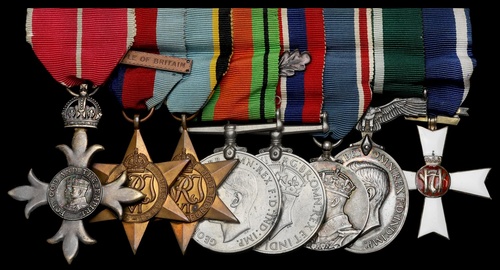
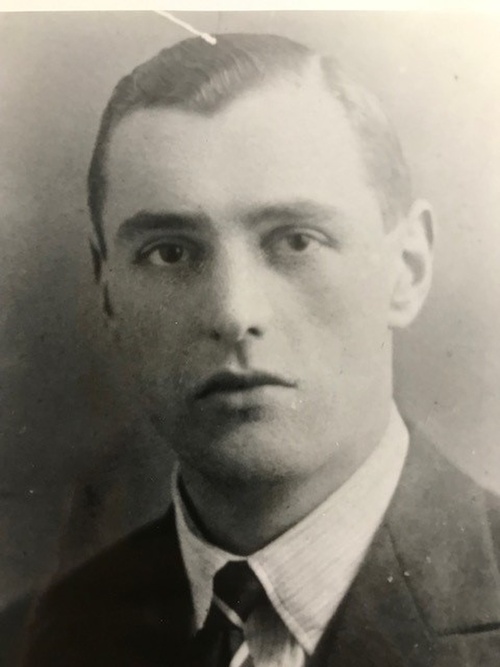
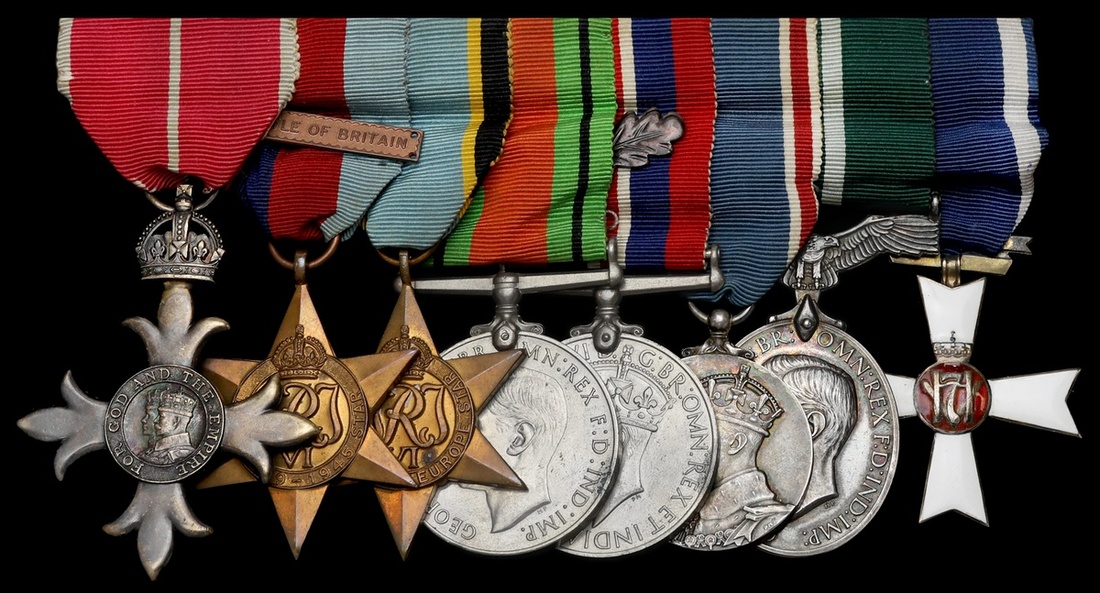
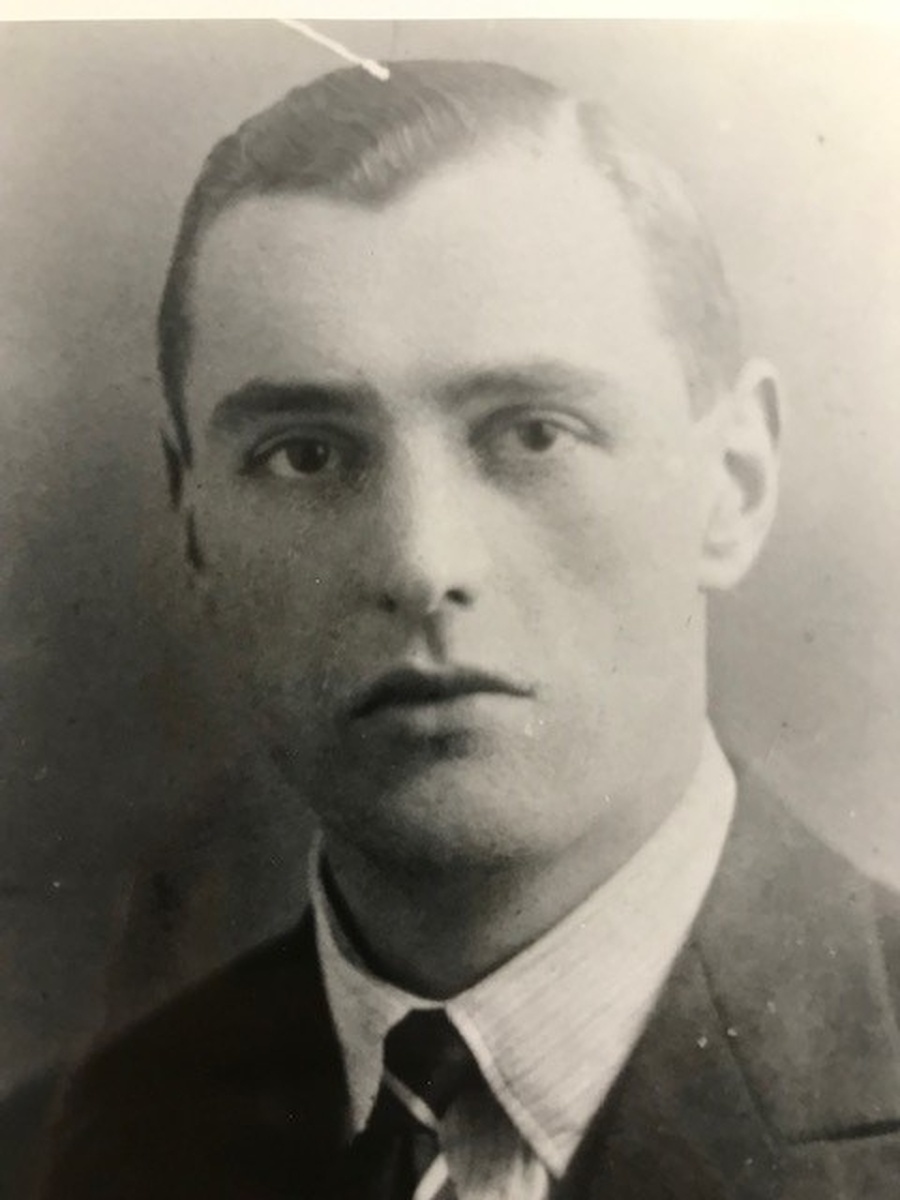
The 1946 O.B.E. group of eight to Air Commodore I. R. Parker, Royal Auxiliary Air Force, who served as Station Commander at R.A.F. Digby and flew as one of 'The Few' and was four times 'mentioned' during the Second World War
The Most Excellent Order of the British Empire, 2nd Type, Military Division, Officer's (O.B.E.) breast Badge, silver-gilt; 1939-45 Star, copy clasp, Battle of Britain clasp; Air Crew Europe Star; Defence and War Medals 1939-45, with M.I.D. oak leaf; Coronation 1937; Air Efficiency Award, G.VI.R. (Wg. Cdr I. R. Parker, A.A.F.); Norway, Kingdom, King Haakon VII Freedom Cross, silver-gilt and enamel, mounted as worn, very fine (8)
O.B.E. London Gazette 1 January 1946.
M.I.D. London Gazette 24 September 1941, 1 January 1943, 8 June 1944 & 14 June 1945.
Air Efficiency Award London Gazette 10 December 1942.
Norway, King Haakon VII Freedom Cross London Gazette 18 April 1947.
Ian Robertson Parker was born at Liverpool on 27 October 1902 and educated at Eton, he was originally a sugar planter and merchant. He gained his Certificate No.8515 on 29 February 1929 at the Liverpool and District Aero Club flying an Avro Avian Mk.IV. He was granted a commission within the General Duties branch of the Royal Air Force Reserve on 24 November 1931.
Parker was given command of 610 Squadron Auxiliary Air Force was formed at Hooton Park, Ellesmere Port on 10 February 1936, at that time the squadron was a light bomber unit flying Hawker Harts.
On 1 January 1939 the Squadron was transferred to Fighter Command and Parker continued to command the Squadron until 7 January 1940, when he was promoted and posted away to be Station Commander at R.A.F. Digby, Lincolnshire. The Squadron became fully operational in May 1940, firstly over Dunkirk and then in the Battle of Britain as part of the Duxford Wing being part of 12 Group's 'Big Wing' formation. The Squadron was still based at Digby in August 1940 and Parker flew an operational sortie with it on 21 August 1940 and therefore qualified for the Battle of Britain clasp.
Parker's operational sortie:
'Finally, at 16.05, Green Section had its chance when ordered to patrol Mablethorpe at 11,000 feet. On this occasion, the Digby Station Commander, Wg Cdr I R Parker, joined in as Green 4. At 16.21 an enemy aircraft was spotted at a great distance, above cloud, and Green 3 gave chase. Black smoke appeared from one engine, but the enemy crew took no evasive action, apparently not having seen the Spitfire. Green 3 then gave a short burst of fire, and the bomber dived into cloud, followed by Green leader. For a time it was lost, until at 16.30 Green 2 saw it about four miles off Spurn Head, heading east. He chased it for about forty miles and then had to begin to make his way back to Digby.'
Parker remained as Station Commander at Digby until 23 March 1941 he then went to R.A.F Watnall, Nottinghamshire which was the operational headquarters of No.12 Group. He was posted as Station Commander at R.A.F. Peterhead, Aberdeenshire from 3 July 1941. Parker was released from the Royal Air Force in 1945 as a Group Captain. He was later appointed Honorary Air Commodore in the Royal Auxiliary Air Force in December 1947. He died at Little Cumbrae, Bute on 23 December 1959; sold together with a folder of photocopied research.
Please see lot 407 for his miniature dress medals.
Subject to 20% VAT on Buyer’s Premium. For more information please view Terms and Conditions for Buyers.
Estimate
£1,400 to £1,800
Starting price
£1100

Watch, listen and bid as if you were in the room. Now available for auctions worldwide.
Click here to bid live
An exclusive and confidential service for the discerning collector or vendor.
View the Gallery
Download every Spink catalogue on your iPad, iPod or iPhone using free Spink app.
Download From iTunes© 2026 Spink & Son. All rights reserved.