Auction: 26003 - Orders, Decorations and Medals
Lot: 252
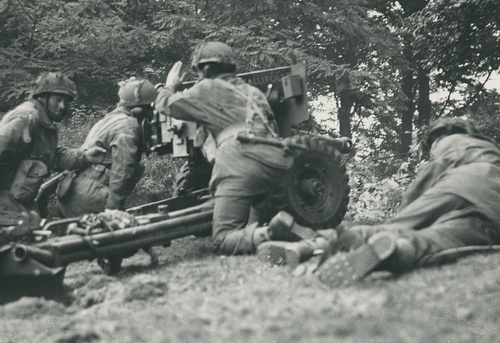
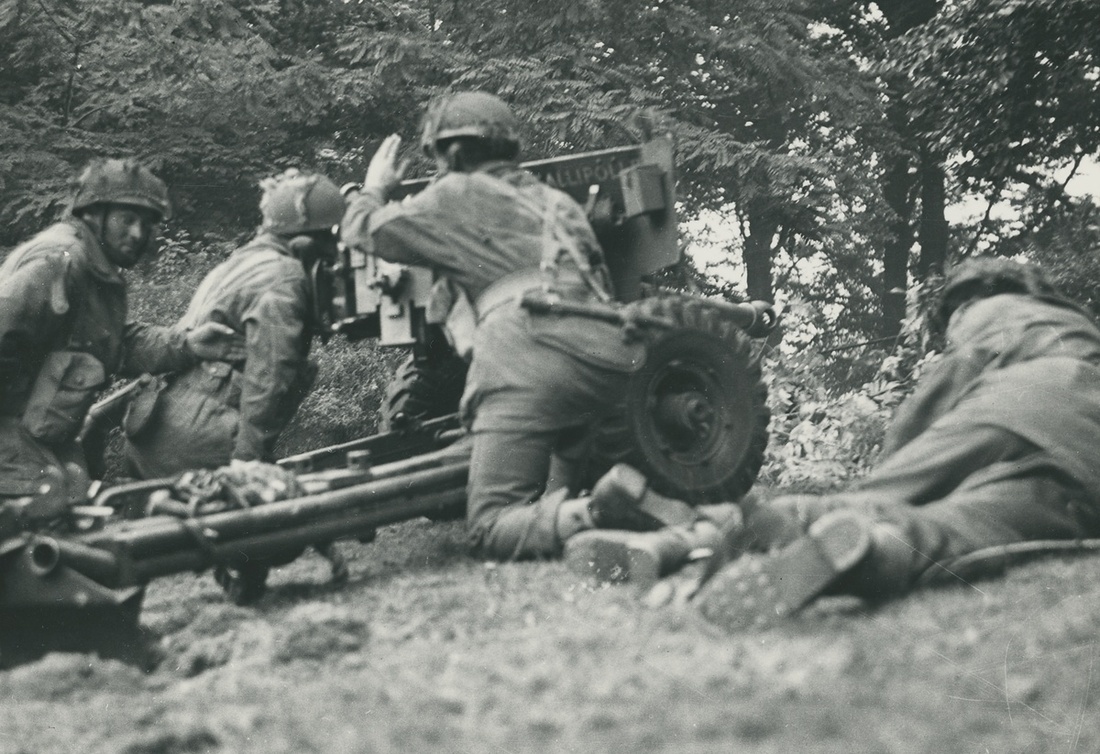
'They [Donaldson & Dickson] got on the six pounder in the road and began firing it. There was a tremendous bang and we saw a shell hit the tank. They fired nine times over open sights. I counted them and every time they did I felt as though my head was coming off.
I saw the strangest thing happening while this was going on. Every time they fired the gun, the force was sucking up the cabbages in the field, pulling them right out of the ground and hurling, them through the air. They were coming right over the top of our trench.'
Gunner 'Pip' Parkes recalls the events of 25 September 1944 in which Lieutenant Donaldson took his D.S.O.
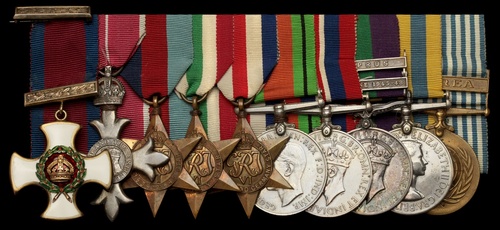
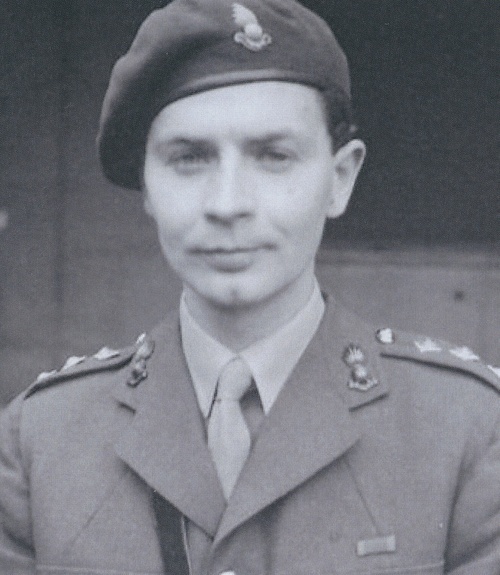
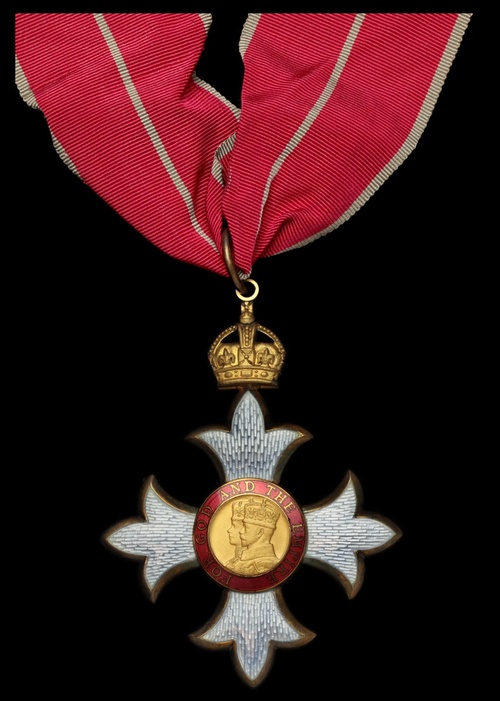
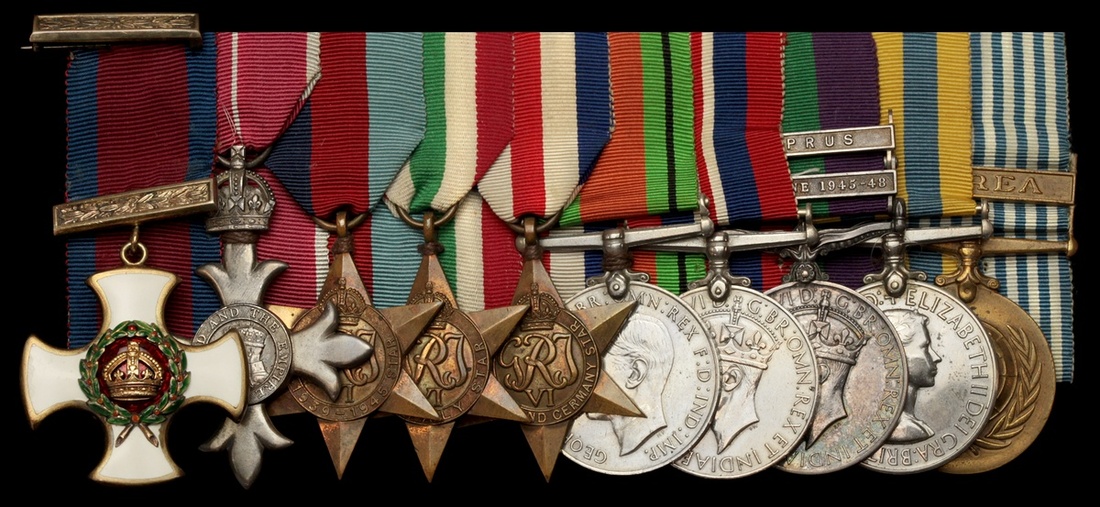
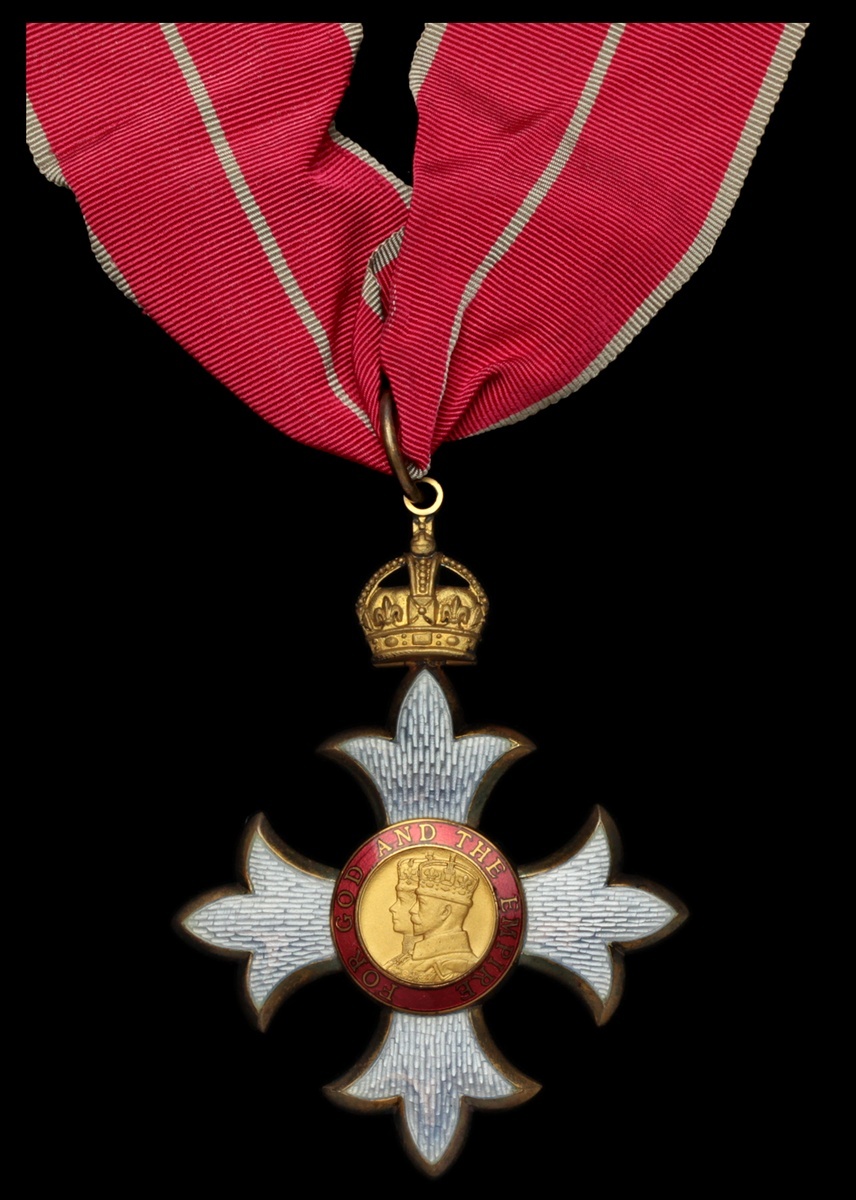
The outstanding and unique Battle of Arnhem 1944 D.S.O. group of eleven awarded to Lieutenant (later Brigadier) A. Donaldson, 2nd Air Landing Light Battery, Royal Artillery - who latterly added the M.B.E. for services in Cyprus and then was made C.B.E. as Head of the British Military Mission to the Saudi Arabian National Guard
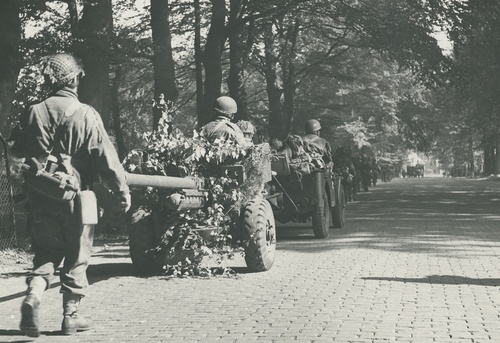
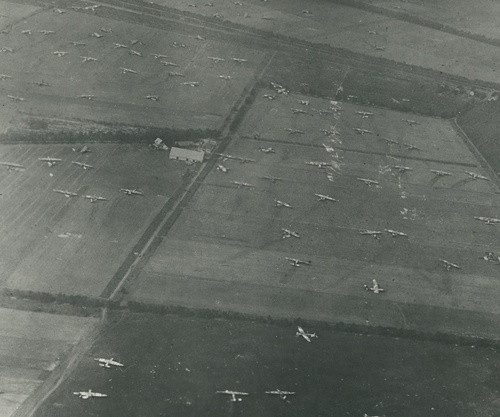
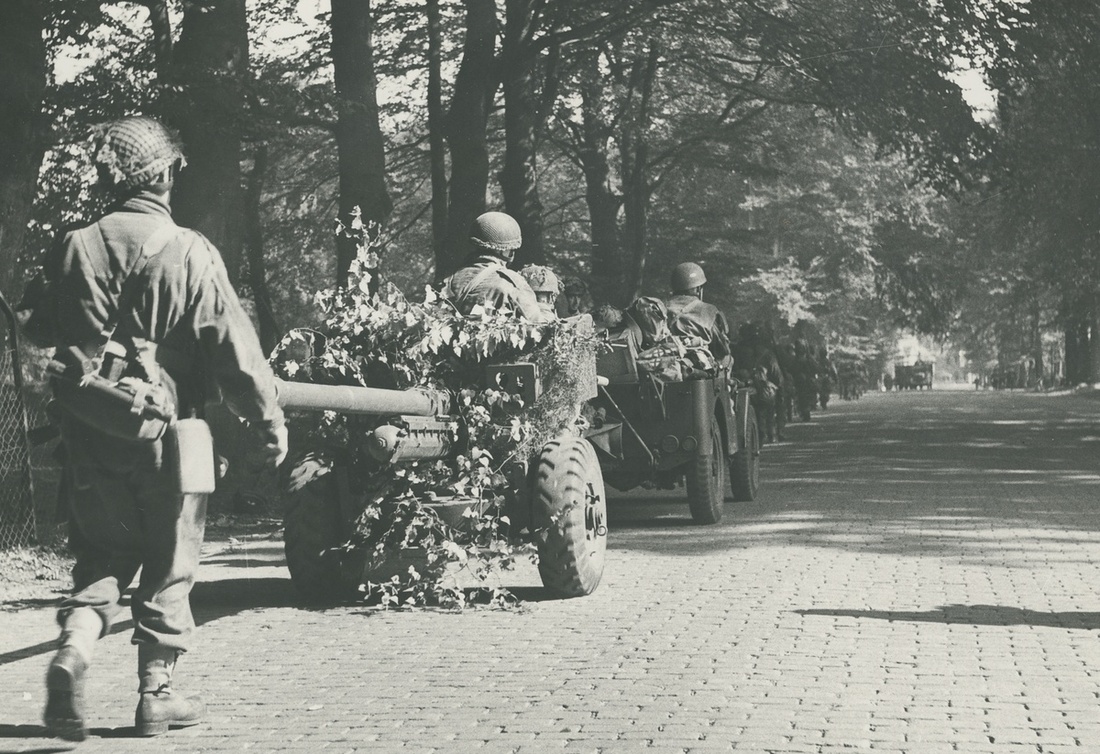
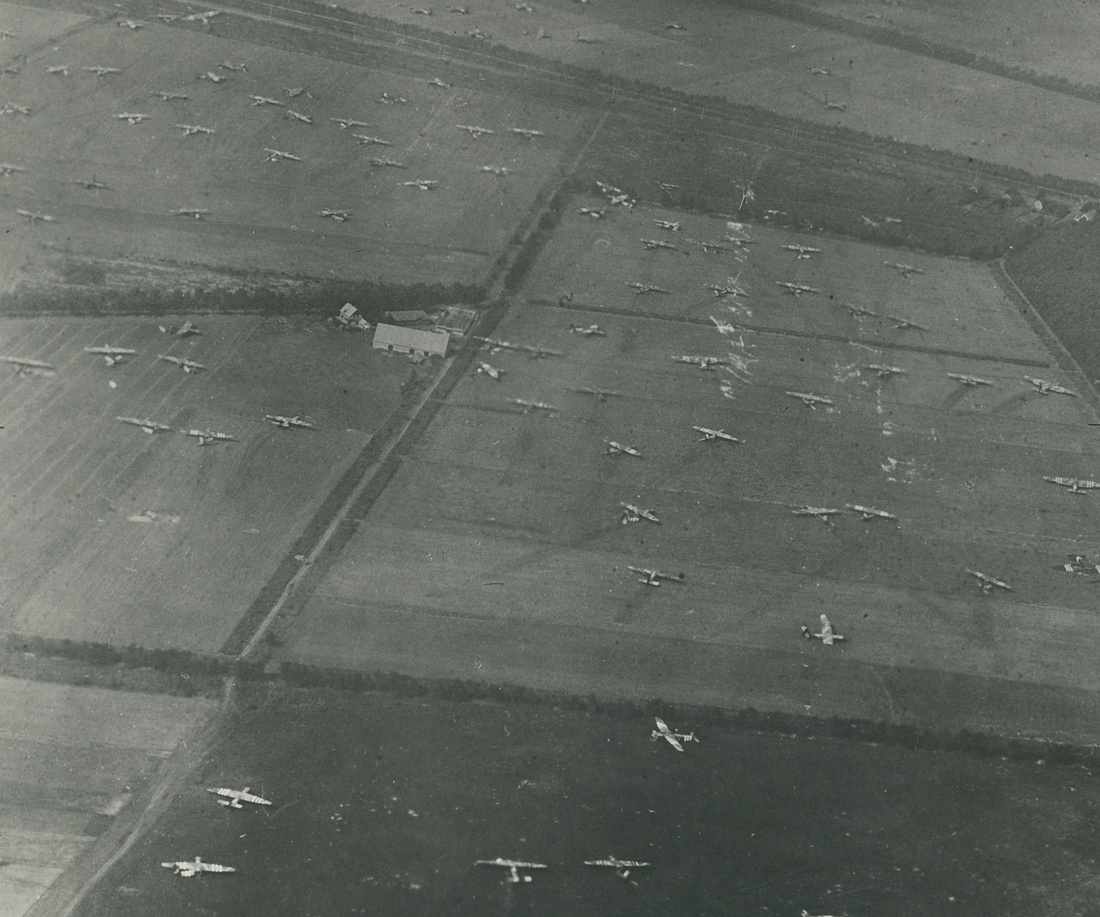
Donaldson went into action at Arnhem aged just 21 and probably had scant time to celebrate his 22nd, for fate dealt him the cards that it would fall during the legendary days in Holland from 17-26 September 1944
The Most Excellent Order of the British Empire, Military Division, Commander's (C.B.E.) neck Badge; Distinguished Service Order, G.VI.R., the reverse officially dated '1944'; The Most Excellent Order of the British Empire, Military Division, Member's (M.B.E.) breast Badge; 1939-45 Star; Italy Star; France & Germany Star; Defence and War Medals 1939-45; General Service 1918-62, 2 clasps, Palestine 1945-48, Cyprus (Maj. A. Donaldson. D.S.O. R.A.); Korea 1950-53 (Capt. A. Donaldson. D.S.O. R.A.); U.N. Korea 1950-54, mounted court-style as worn where applicable, good very fine (11)
Provenance:
Glendining's, June 1987 - when the Front Cover Lot.
Of just 15 DSO's awarded for the Battle of Arnhem, the unique award to a Lieutenant.
D.S.O. London Gazette 7 November 1944;
'Lieutenant Donaldson was the gun position officer of C Troop of 2 Battery. At 1100 hrs on 25th September his Troop was attacked by a Tiger tank and a self-propelled gun at about 150 yards range. His troop at once came under heavy machine gun fire and suffered such heavy casualties to the gun detachments that it became impossible to produce effective fire from his guns.
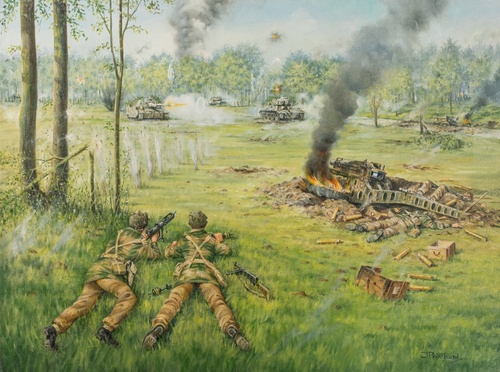
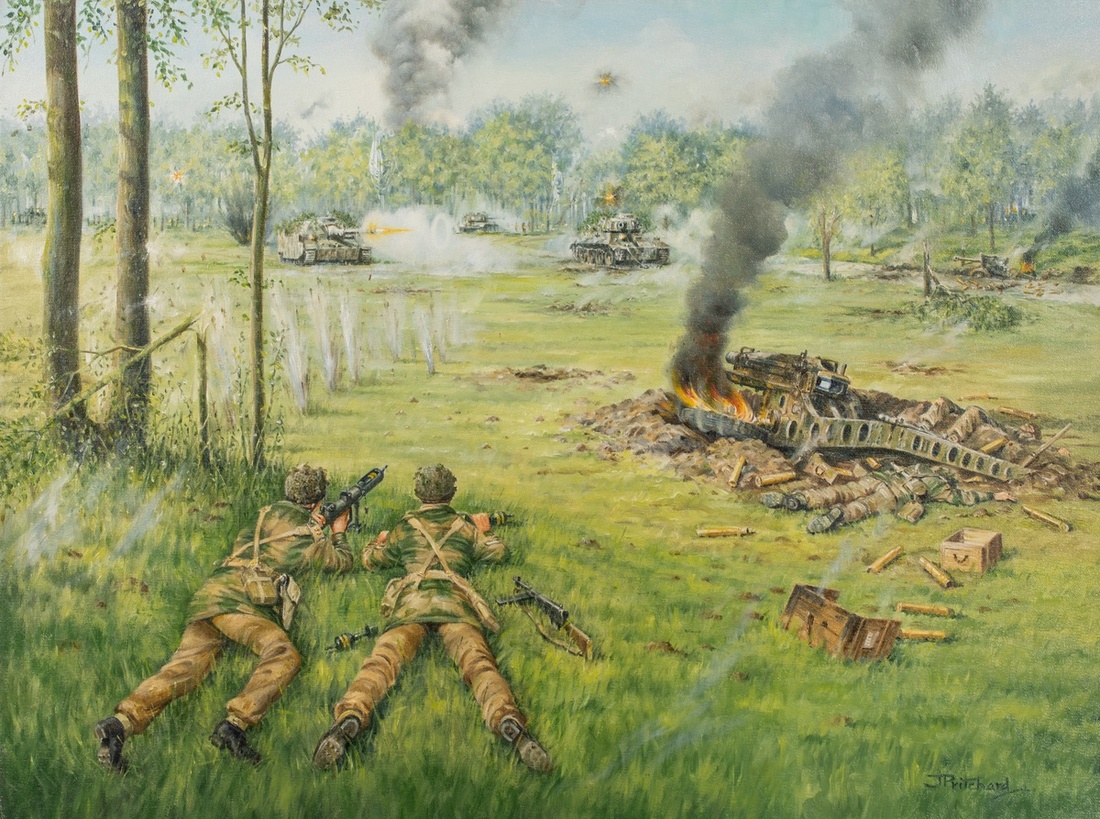
Nothing daunted Lieutenant Donaldson, taking Lance-Bombardier Dickson with him, manned a 6-pounder anti-tank gun whose crew had been killed but which was in a position about 100 yards from his Command Post. To reach his gun Lieutenant Donaldson had to cross open ground swept by enemy fire. Together with Lance-Bombardier Dickson he brought the gun into action and fired eight or nine shots at the tank until the gun was destroyed by a direct hit which blew him off the gun temporarily stunning him. When he came to himself, Lieutenant Donaldson, together with Lance-Bombardier Dickson, made his way under heavy fire back to No.1 Gun of C Troop whose detachment had been killed and bringing the gun back into action fired four shots at the tank without effect.
Armour Piercing ammunition being then expended, Lieutenant Donaldson, still under heavy fire went to find some more, covered by Lance-Bombardier Dickson firing High Explosive. He collected three rounds of Armour Piercing and two of these were fired without effect before his gun jammed. Lance-Bombardier Dickson then went back to the wagon lines and fetched a PIAT with which Lieutenant Donaldson attempted to engage the tank but without success. The whole of this action took place under heavy fire from the Tiger tank and the self-propelled gun and under small arms fire from enemy infantry who had infiltrated into the woods surrounding the position.
Lieutenant Donaldson then withdrew to 3 Battery's position as enemy infantry were occupying the gun positions. Nevertheless later that day he returned to the position and ensured that no wounded men of his Troop remained on the position and removed the sights and breech blocks of all the guns not already destroyed. When the order to withdraw was received he led the remains of his Troop back across the river. Lieutenant Donaldson displayed great courage and determination in the face of the enemy of the highest order and it was largely due to his indifference to danger that the enemy failed to press home their attack beyond the outskirts of 2 Battery's positions and on to our last line of defence in that area.'
C.B.E. London Gazette 31 December 1977. This award stems from his service from 1963-77 as Head of the British Military Mission to the Saudi Arabian National Guard. Donaldson had struck up a close personal relationship with Prince Abdullah bin Abdul Aziz (later King Abdullah), then Commander of National Guard. It was noted that it was '...unique for a foreign adviser in Saudi Arabia' and also that his efforts had secured a project from the National Guard worth some £330m of business to British industry - the Recommendation strictly stating '...this aspect of his work is obviously not one to which public reference may be made.'
M.B.E. London Gazette 10 April 1959. An award made in respect of 'Special Operation Scale for Cyprus' covering July-December 1958.
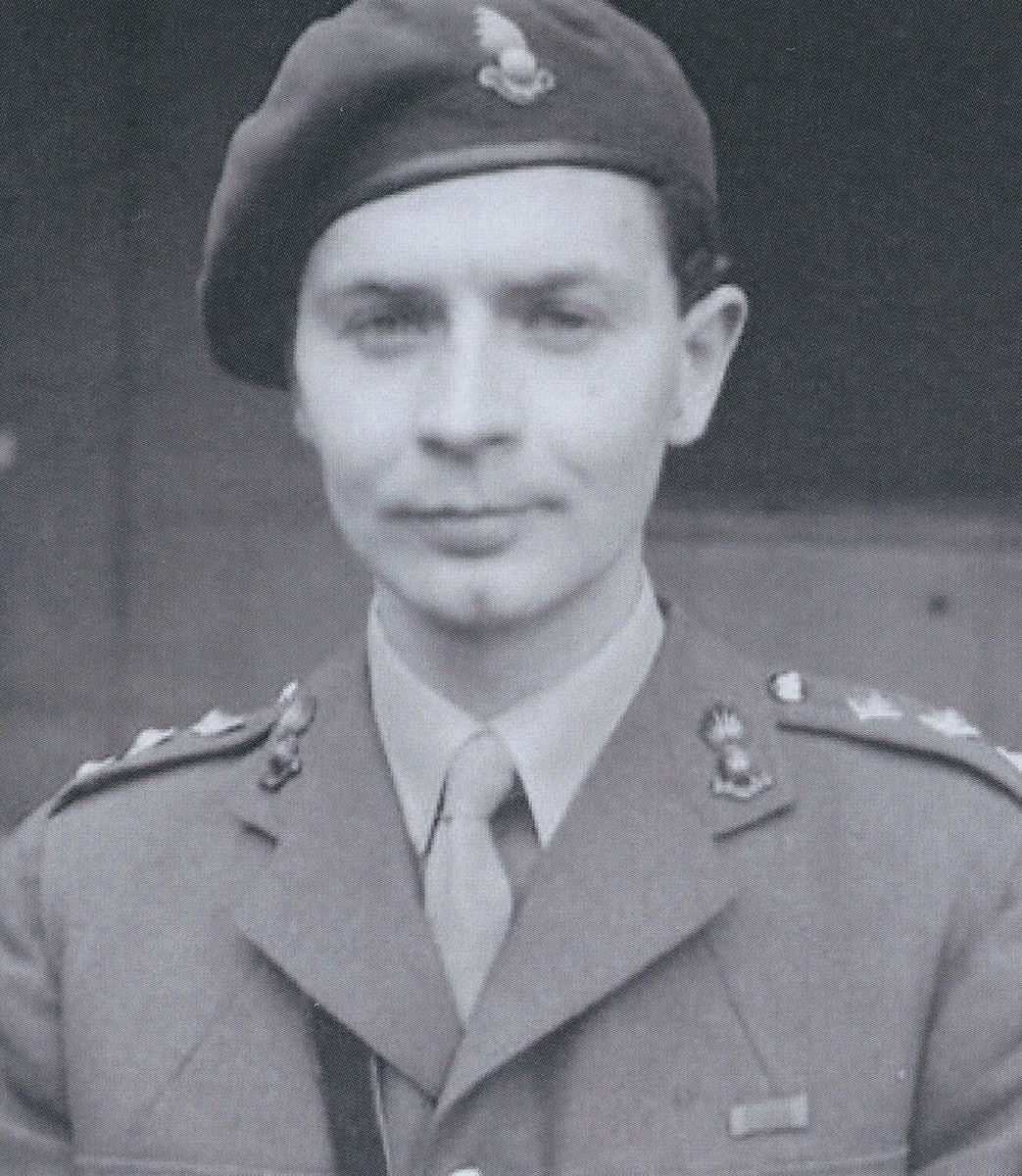
Adrian Donaldson was born on 21 September 1922, his family home being Maxwell Lodge, Kelso, Roxburghshire. Serving in the ranks for some 173 days, he was made 2nd Lieutenant in March 1942 and Lieutenant in October 1942. Going into action at Arnhem, Donaldson carved his name into history. Whilst his citation is an epic (and reads closely to the V.C. to Major Cain), Christopher Hibbert offers up a similarly exciting telling of their story in his seminal work The Battle of Arnhem.
Having been made Acting Captain in October 1944. Even better is the first hand account of Gunner Bob Christie, who served under Donaldson. He recalls the events of 25 September:
'On the morning of the last day, about 10am, I was in a slit trench at the Troop Command Post. With me in the trench was the troop wireless and Pip Parkes. We received a warning that there was to be a close-shoot by the Mediums on the enemy at the north edge of the Battery area. We were told to keep our heads down. All rounds were on target. None fell short.
About 100 yards away I saw two Tiger tanks approaching the row of houses just behind the music hall. In one of the houses, I knew, was the Battery Command Post, which housed the control set for all the battery stations on the network.
The area was now under heavy shell fire, both from the Germans and the British. I heard that someone had called down British shells on their own position to drive the Germans back.
As I watched, I saw the first tank trundle up to the bungalow where the Battery Command Post was and begin ramming it. The second tank peeled off and went around the row of bungalows and pulled up at the back, covering the first tank.
I heard the signalman in the Command Post come on the air. It was a fellow Scotsman, also from Dundee, 20 year old Willie Speedie. Very properly Speedie explained they were “in some difficulty” and asked C Troop if we could do anything to help. The officer in charge, Lt Adrian Donaldson, radioed back that we were helpless.
Speedie then called D Troop and asked if they could help. They could not. Calmly and with absolutely correct procedure, Speedie notified the battery that he was closing down. In measured tones he nominated a new station as control and ended with the words: “I am closing down now. Out.”
What Willie did was straight out of “Signals Training – All Arms” and this while the building was literally coming down around him. Not a feat of strength, not an act of gallantry, just a very tired, hungry wee Scot doing the job as best he knew how, right to the end.
Outside the bungalow I could see the tank backing off to ram the building again. I figured Willie was a dead duck, but I learned later that the brave wireless operator managed to escape.
When the two Tigers turned their attention to the cabbage patch C Troop was in Adrian Donaldson and Lance Bombardier James Dickson ran round the hedge to a Polish 6 pounder and with the few surviving members of its detachment manhandled it into the open.'
'Pip' Parkes then observed:
'They [Donaldson & Dickson] got on the six pounder in the road and began firing it. There was a tremendous bang and we saw a shell hit the tank. They fired nine times over open sights. I counted them and every time they did I felt as though my head was coming off. I saw the strangest thing happening while this was going on. Every time they fired the gun, the force was sucking up the cabbages in the field, pulling them right out of the ground and hurling, them through the air. They were coming right over the top of our trench.'
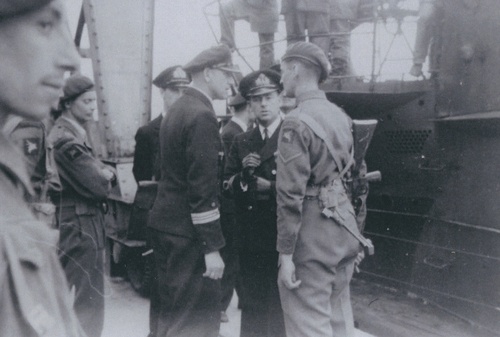
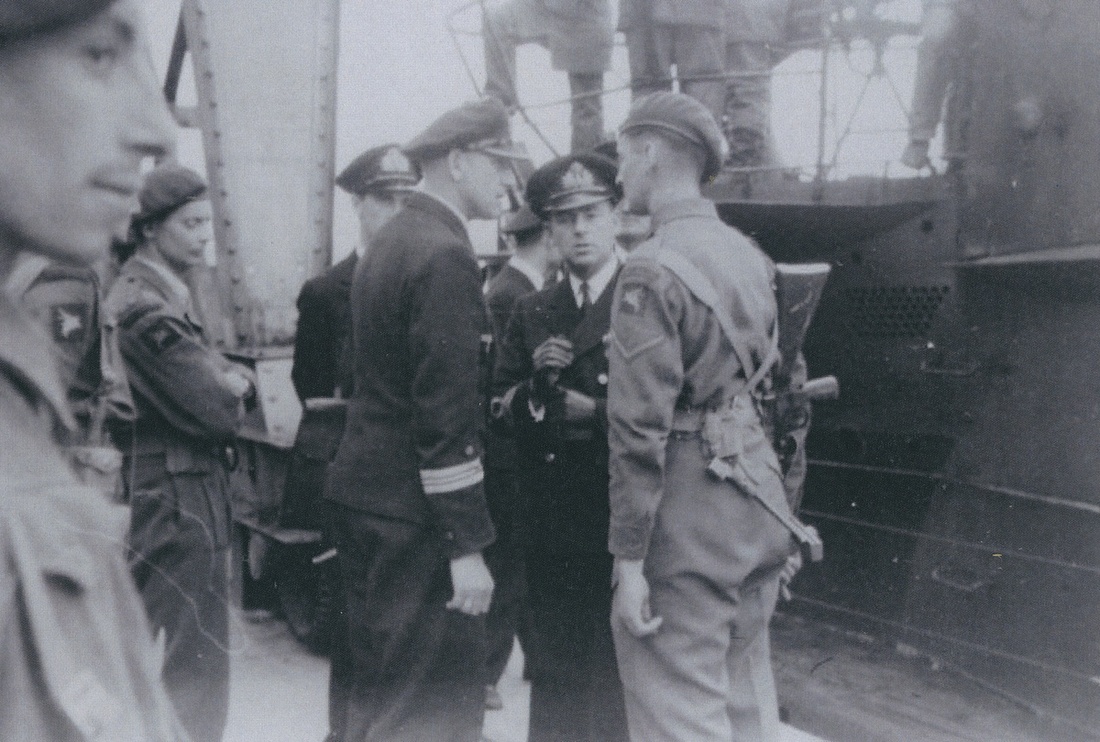
The supreme bravery of Donaldson assisted in enabling as many men as possible to come away from the fight with their lives and to make their escape by swimming the Rhine. Donaldson did that and went up to Buckingham Palace to take his D.S.O. from the hands of The King. His War was not done and he was thence to share in Operation Doomsday, landing into Stavanger and personally liberating the city of Sandnes on 8 May 1945, with a number of U-Boats turning themselves in besides. That event was captured on film, with the gallant Donaldson appearing as nonchalant as ever.
Second Innings
With the close of the Second World War, Donaldson was given a permanent commission as Lieutenant in January 1946, Captain in September 1949, Major in September 1956, Lieutenant-Colonel in September 1964, Colonel in June 1968, retiring as Brigadier in September 1977.
Sold together with a fine oil on canvas by Jeff Pritchard, depicting the act of his winning the D.S.O., 24 x 19 inches, besides a good selection of copied research.
Subject to 20% VAT on Buyer’s Premium. For more information please view Terms and Conditions for Buyers.
Estimate
£50,000 to £70,000
Starting price
£45000
Watch, listen and bid as if you were in the room. Now available for auctions worldwide.
Click here to bid live
An exclusive and confidential service for the discerning collector or vendor.
View the Gallery
Download every Spink catalogue on your iPad, iPod or iPhone using free Spink app.
Download From iTunes© 2026 Spink & Son. All rights reserved.