Auction: 26003 - Orders, Decorations and Medals
Lot: 121
Sold for the Benefit of Charity
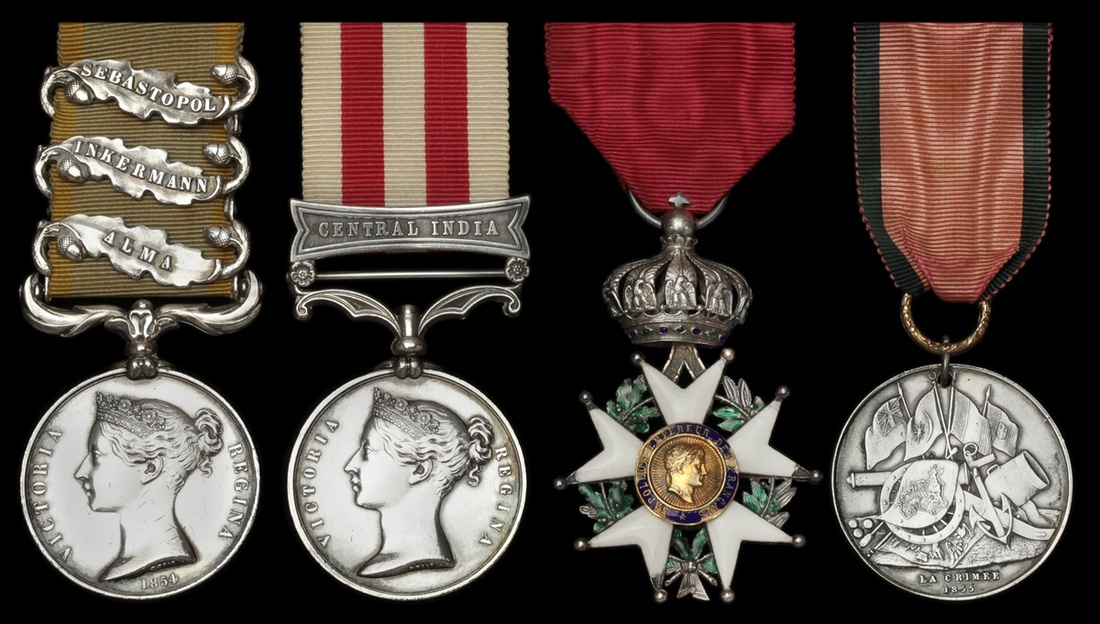
The superb campaign group of four awarded to Private, later Major-General J. M. Sexton, 95th (Derbyshire) Regiment, later Bombay Staff Corps
A well-known Regimental personality and former Warrant Officer, he rallied the Battalion at the Alma and was awarded his commission for service at Inkermann; Sexton took a brace of 'mentions' at Gwalior during the Indian Mutiny and achieved the rare distinction of an enlisted man reaching General Officer rank
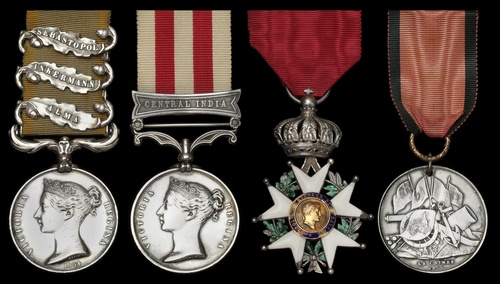
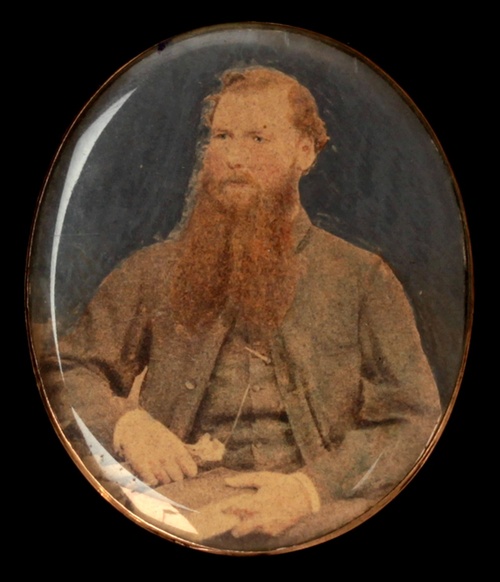
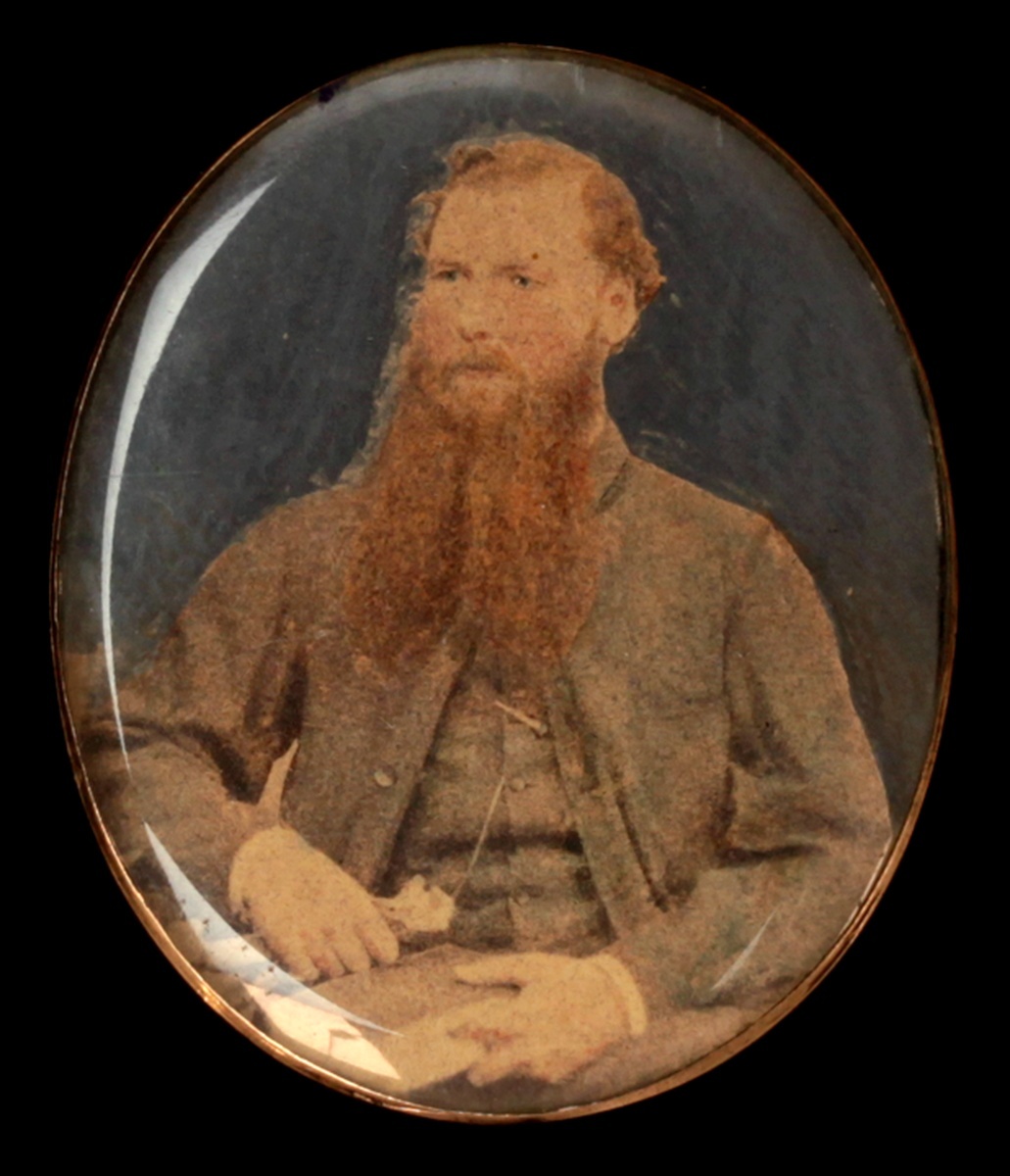
Crimea 1854-56, 3 clasps, Alma, Inkermann, Sebastopol (Lieutn. and Adjt. J. M. Sexton. 95 Regt.), engraved naming; Indian Mutiny 1857-59, 1 clasp, Central India (Lt. & Adjt. J. M. Sexton, 95th Regt.); Turkish Crimea 1855, French issue; France, Republic, Legion of Honour, silver and enamel, set within a fine frame with a portrait miniature of the recipient in civilian clothing, minor contact marks and enamel damage to the last nearly very fine, otherwise very fine (4)
French Legion of Honour London Gazette 4 August 1856.
John Malone Sexton was born at Ballina, Templeachally, County Tipperary, Ireland in 1831. He was raised by his stepfather John Norris in Limerick and enlisted on 14 December 1849 serving first with the 75th Regiment but soon being claimed by the 95th Regiment to serve alongside his brother. Clearly a skilled soldier he was serving in the rank of Colour-Sergeant by the outbreak of the Crimea War in 1854.
Crimea - Commissioned
Posted to No. 3 Company, they advanced on the right of the British line, as part of the Light Brigade's attack over the river. As the Battalion advanced the volume of fire rose to a storm with casualties rising throughout the Regiment, Sexton himself was struck in the backpack by a cannonball and thrown to the ground.
As the Battle progressed the Regiment made the Russian battery alongside the 23rd Regiment of Fusiliers. However they soon found themselves under serious pressure there with the 95th being attacked in the flank by the Russian 32nd Regiment. At this crucial moment a handful of officers and NCOs stepped forward to steady the lines.
'Captain Raines with Sergeants Sexton and Ormond and a handful of men came up bearing aloft the Queen's Color, which Raines had taken from Langford-Brooke, who had by now been sent limping to hospital.'
(The 95th (The Derbyshire) Regiment in the Crimea refers)
Joining the British forces outside Sebastopol, Sexton was to see further action during the Battle of Inkermann, again stationed with No. 3 Company. They were initially stationed behind the artillery in early stages of the fighting and were called upon by Captain Arbuthnot R.A. (medals sold in these rooms in April 2026) to replace those gunners killed or wounded. Sexton met this challenge and led a contingent into the teeth of the Russian fire in support of artillerymen.
The 95th were then thrown into the firestorm of the Sandbag Battery, making themselves known right the way through the day when the Battery famously changed hands seven times on each occasion the 95th were represented. Sexton was in the thick of the fighting and after the Russians withdrew he found himself in command of a detachment, separated from their officers.
'In the press of the charge out of the battery and into the Quarry Ravine, Colour-Sergeant Sexton, of No. 3 Company, got separated from his commander, and with a few men of the 95th sought to regain the high ground, in obedience to the shouts of recall which had been raised. This party had with them three Russian prisoners, who had been found in a cave in the ravine, and who had thrown down their arms asking for "quarter." Sexton had hoped to bring these back with him, but after much toiling through the scrub which clothed the hill-side, a shower of bullets swept over their heads as they reached the crest, forcing the party to remain under cover until the firing had ceased. Then on looking over the crest it was seen that a French Regiment was in possession of the hill, and that it was they who had opened fire upon Sexton's party, taking them - from their greatcoats - to be Russians. The French then suddenly withdrew, and a Russian column, moving slowly up the ravine from the right front, got between the British and the battery, completely cutting off their retreat in this direction. Sexton then had to lead his following round by the cliffs of the Tchemaya, eventually rejoining Carmichael and replenishing their pouches. While down in the ravine the men had run out of cartridges, but the only cases of ammunition which were there available were found to contain cartridges intended for the short, smaller-bore rifles of the Rifle Brigade or for the smooth-bore musket.
In the confusion of the retreat Sexton's prisoners escaped.'
(IBID)
After the action at Inkermann Queen Victoria ordered a commission to be given to one man from every Regiment engaged, it is a mark of Sexton's esteem in the Regiment that he was chosen for the 95th. Commissioned Ensign on 5 November 1854 he was advanced Lieutenant not long later on 4 March 1855 and soon appointed Adjutant in November. To cap his laurels when the war finally drew to a close with the fall of Sebastopol he was one of six men of the Regiment to be awarded the French Legion of Honour.
India - 'Mentioned'
The Regiment was posted on to India arriving in time to reinforce the British forces engaged in suppressing the Indian Mutiny. Whilst much of the fighting was done and the rebels were no longer on the front foot they were still to see heavy action with Sexton finding himself engaged in the siege and capture of Kotah, joining No. 3 Assault column in the final storming of the fortress on 30 March 1858.
They were later present at Kotah-ke-Serai on 17 June where Sexton earned his first 'mention' acting as Staff Officer to Colonel Raines whom he had stood beside at the Alma just four years previously. This was the culmination of Sir Hugh Rose's Gwalior campaign and Sexton was to earn fresh laurels there in the final great action of the Mutiny.
At Gwalior during the final action he was at the front of the advance and succeeded in taking a rebel held gun, turning it upon the defenders. Whilst he and a section of men manned the weapon its store of powder exploded, burning him severely, despite this he continued to man the gun and earned a further 'mention' for his efforts, Colonel Raines writing:
'I beg to bring to prominent notice Lieutenant Brockman and the men of the 86th Regiment, as well as Lieutenant Budgen, Lieutenant and Adjutant Sexton, and the gunners of the 95th, especially Private P. Murphy, Loix Dempsey, and Colville, who so ably and with such effect served the guns which were turned upon the enemy ; and both corps seemed to vie with each other in firing quickly, and with proper effect. I regret to say that Lieutenant and Adjutant Sexton and Corporal Joseph Hunt were severely burnt by the accidental explosion of some loose powder, whilst serving the guns.'
Despite this Sexton was in action again soon, being present for the capture of the fort at Pourie- which had been taken by Pan Singh of Narwar- and surprise of the rebel camp at Koondrye.
Sexton remained in India reaching the rank of Captain and Company commander on 13 September 1861. Transferring to the staff in 1867 he remained in the rank for a decade before he received the chance to transfer to the Bengal Staff Corps. The better prospects and social mobility offered by the Indian army would doubtless have appealed to the former Private and he exchanged on 1 October 1870 transferring to the Bombay Staff Corps the next year.
Staff and Promotion
This move was swiftly rewarded, and he was advanced Brevet Major on 20 May 1871 and Major on 1 October 1876. Promoted Lieutenant-Colonel on 1 October 1877 he served as Assistant Quartermaster-General in Bombay reaching Colonel in 1881. Placed on the Unemployed Supernumerary list in August 1887 he finally made the rank of Major-General on 10 December 1892, setting the crowning achievement on a remarkable career.
Settling back in Britain Sexton could not enjoy his retirement for long as he died in London just eight years later in 1900; sold together with copied research including service papers, newspaper articles and book extracts.
Subject to 20% VAT on Buyer’s Premium. For more information please view Terms and Conditions for Buyers.
Estimate
£1,000 to £1,500
Starting price
£800
Watch, listen and bid as if you were in the room. Now available for auctions worldwide.
Click here to bid live
An exclusive and confidential service for the discerning collector or vendor.
View the Gallery
Download every Spink catalogue on your iPad, iPod or iPhone using free Spink app.
Download From iTunes© 2026 Spink & Son. All rights reserved.