
Auction: 26001 - Orders, Decorations and Medals
Lot: 249
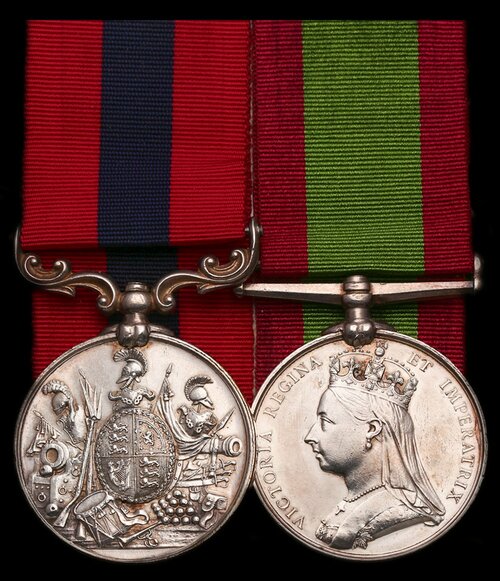
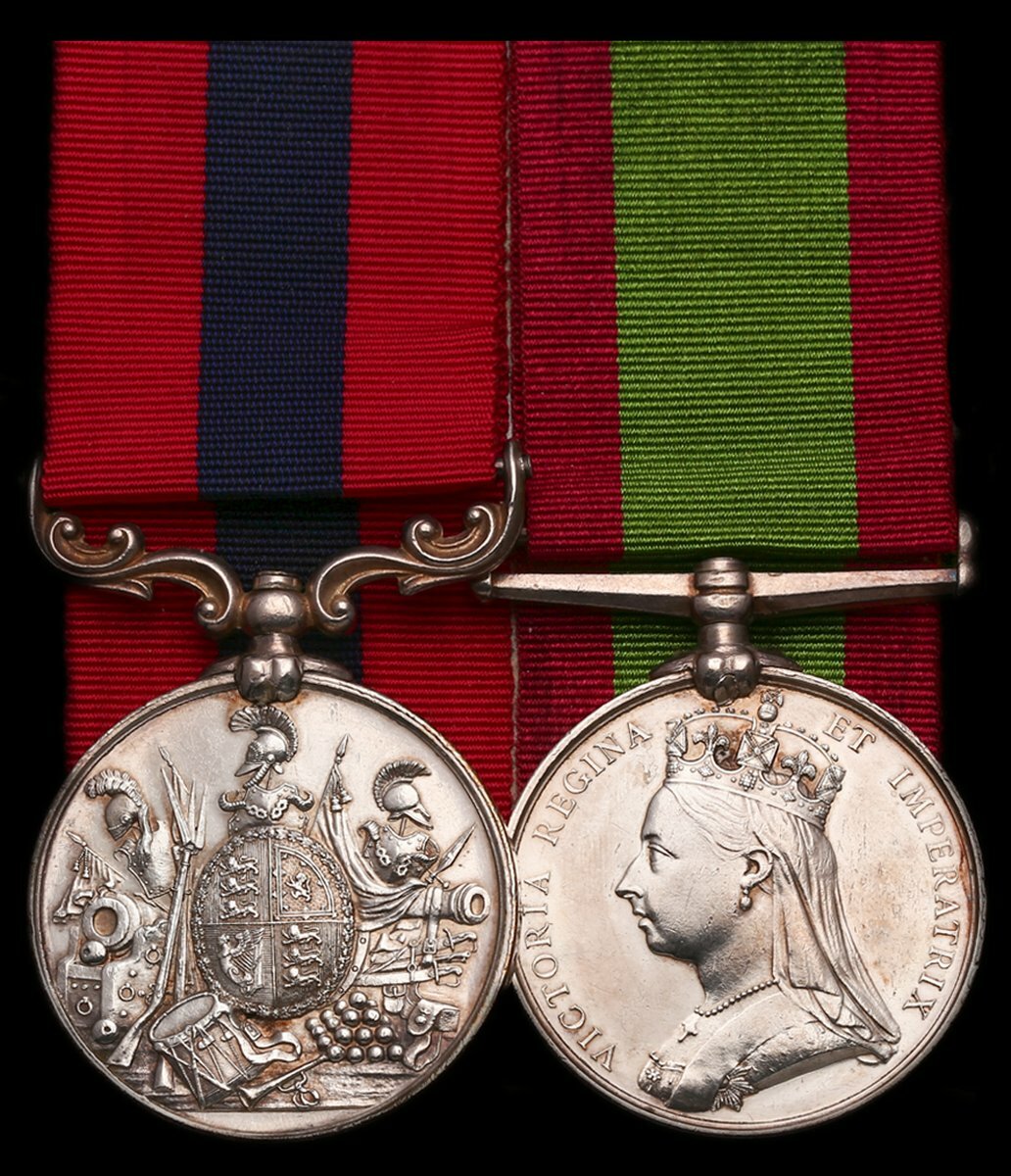
The outstanding Deh-Khoja 16 August 1880 D.C.M. pair awarded to Private E. Hallett, 2nd Battalion, 7th Regiment of Foot (Royal Fusiliers), who took his reward for the bloody action which also earned his comrade Private T. E. Ashford the Victoria Cross
Distinguished Conduct Medal, V.R. (49B/627 Pte. E. Hallett. 2/7th Foot.); Afghanistan 1878-80, no clasp (627, Pte. E. Hallett, 2/7th Foot), light contact marks, otherwise good very fine (2)
7 D.C.M.'s awarded to the Regiment for the Second Afghan War 1878-80.
Provenance:
Glendining’s, June 1993.
D.C.M. awarded as per Recommendation submitted to the Queen 5 March 1881, together with three Regimental comrades and a Gunner:
'‘That a Silver medal for Distinguished Conduct in the Field be granted, without annuity or gratuity to each of the following soldiers in recognition of their gallant conduct on the occasion of the sortie from Kandahar [Deh Khoja] on 16th of August last.'
Eli Hallett attested for the 7th Foot at Liverpool, in February 1871. He served with the 2/7th Foot during the Second Afghan War 1878-80. The Battalion arrived at Kandahar, 26 April 1880. On the 28th July, on the news of the disaster sustained at Maiwand reaching Kandahar, 70 rifles of the 2/7th under Lieutenant Rodick formed part of the force under Brigadier-General Brooke which set out to relieve the survivors of Brigadier-General Burrows ill-fated brigade.
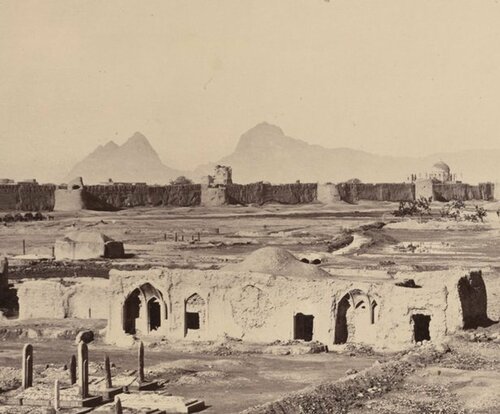
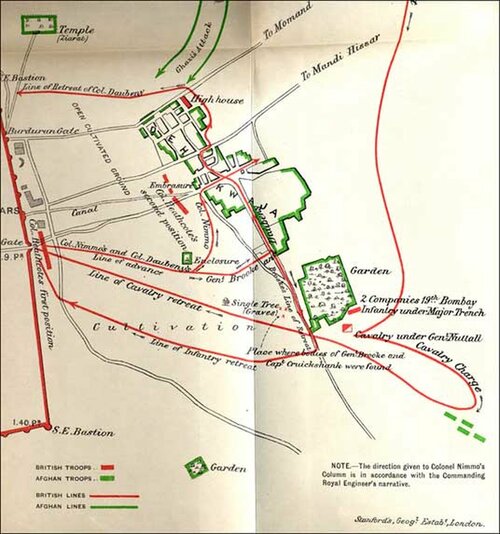
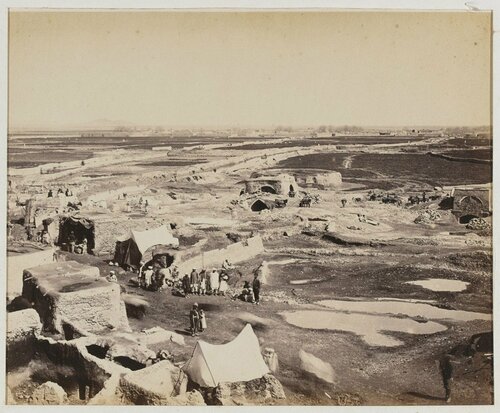
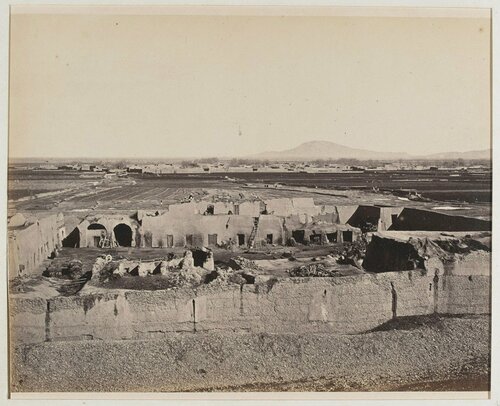
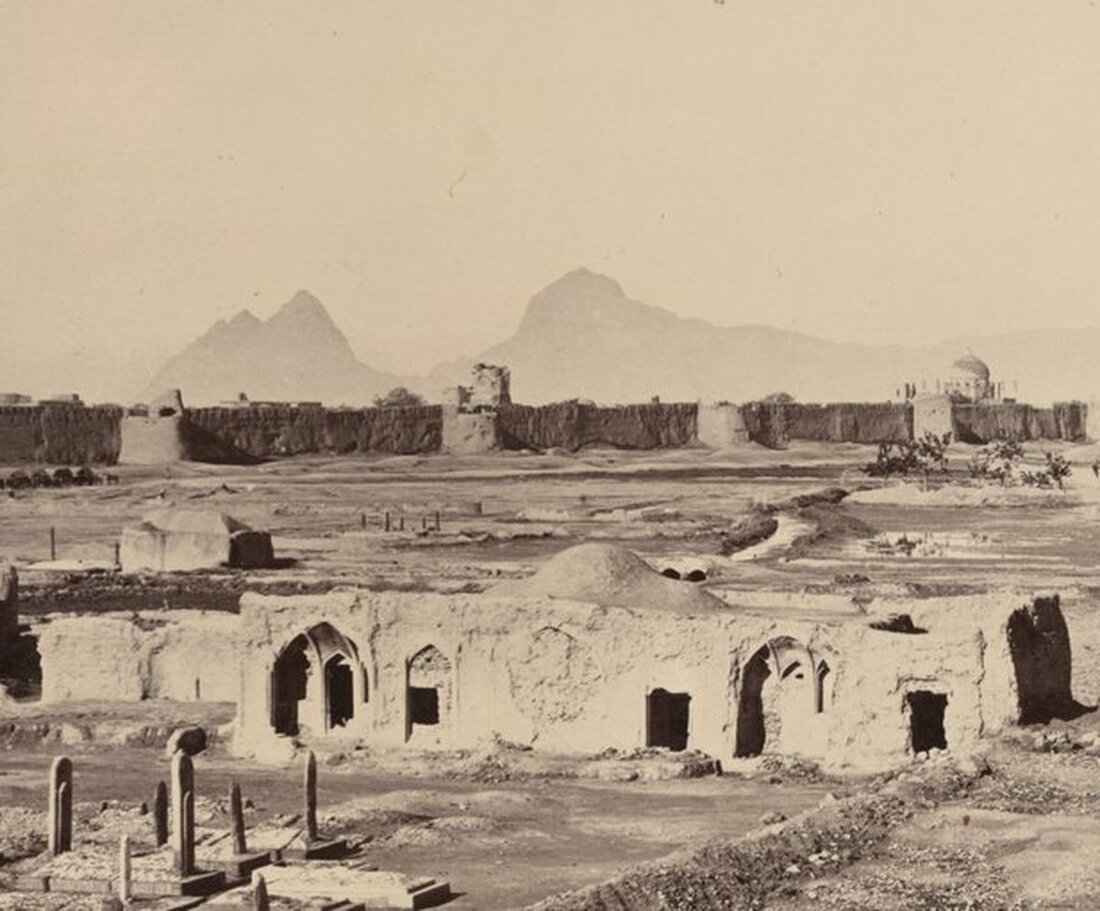
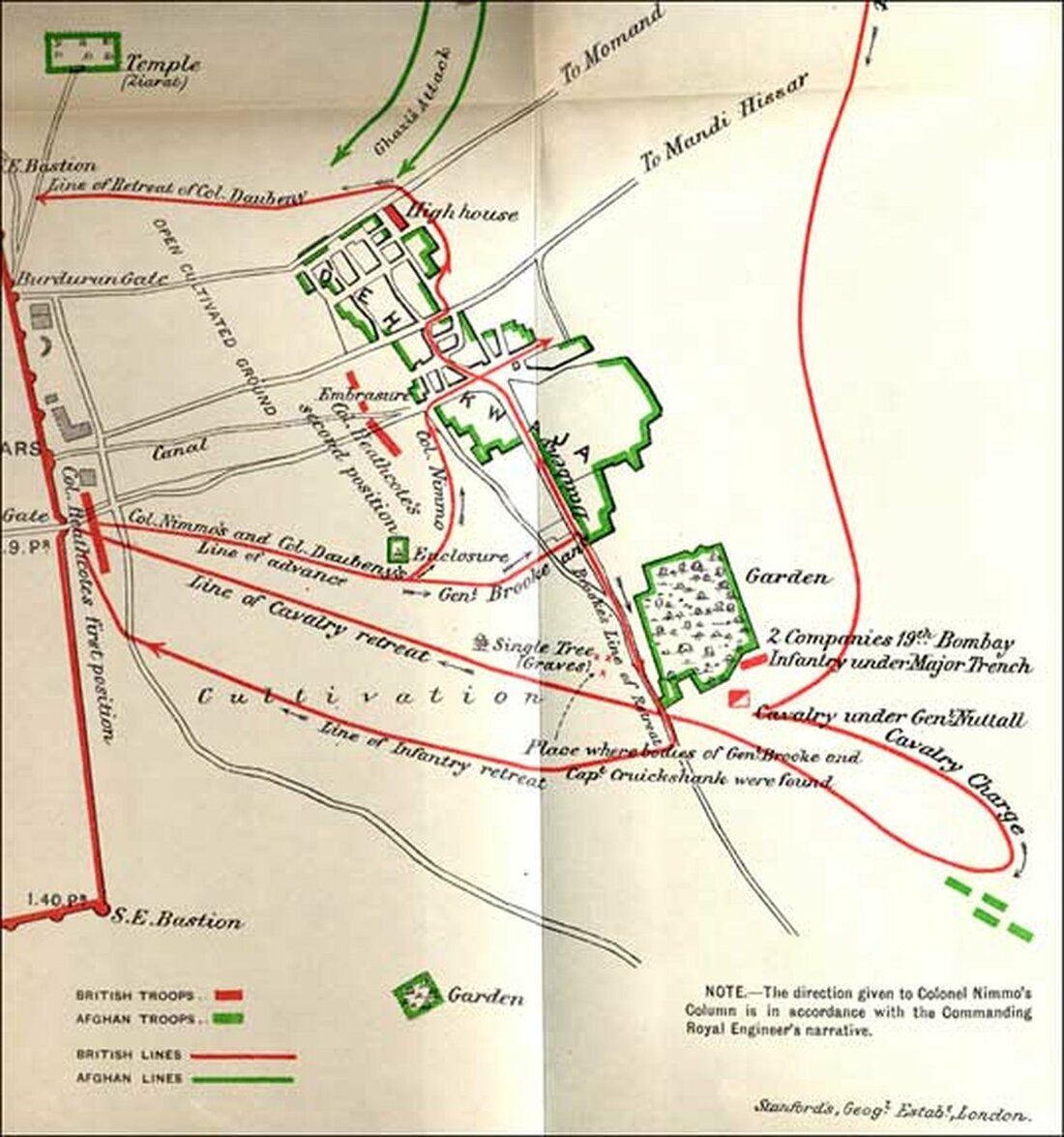
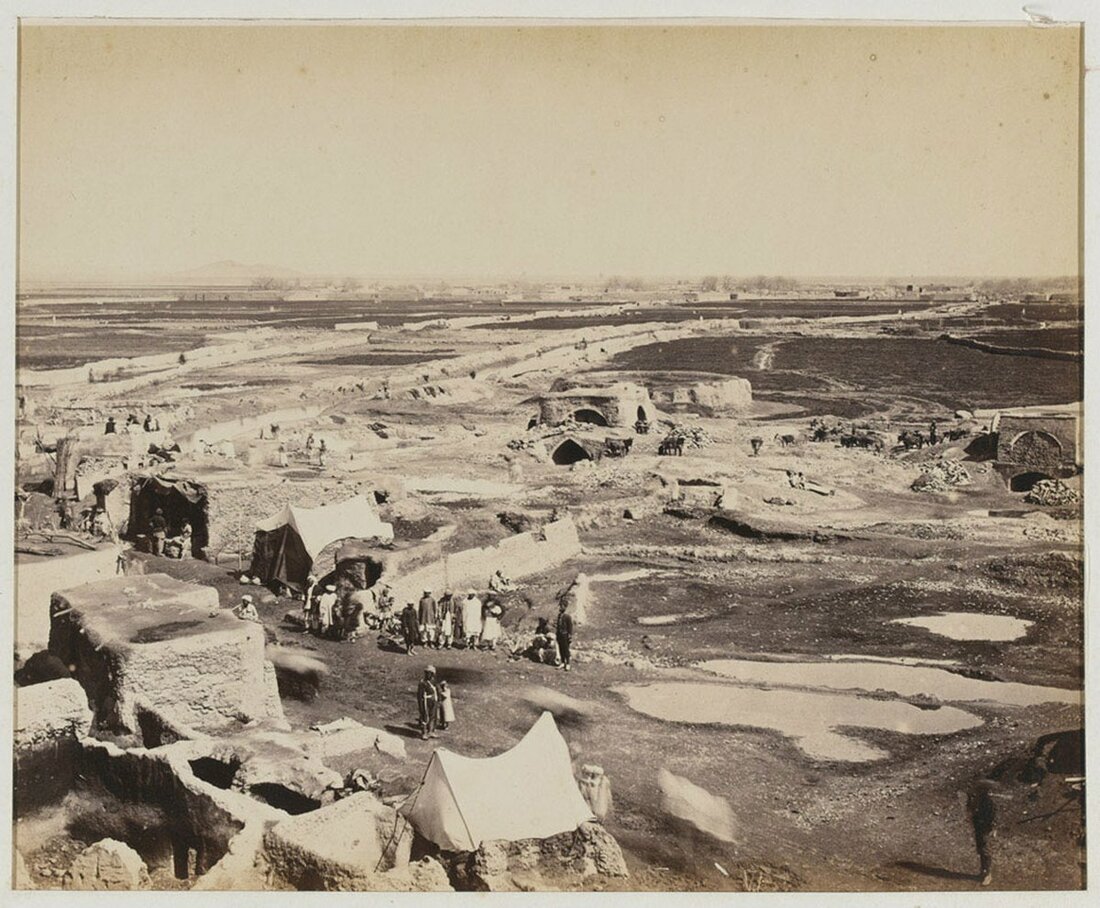
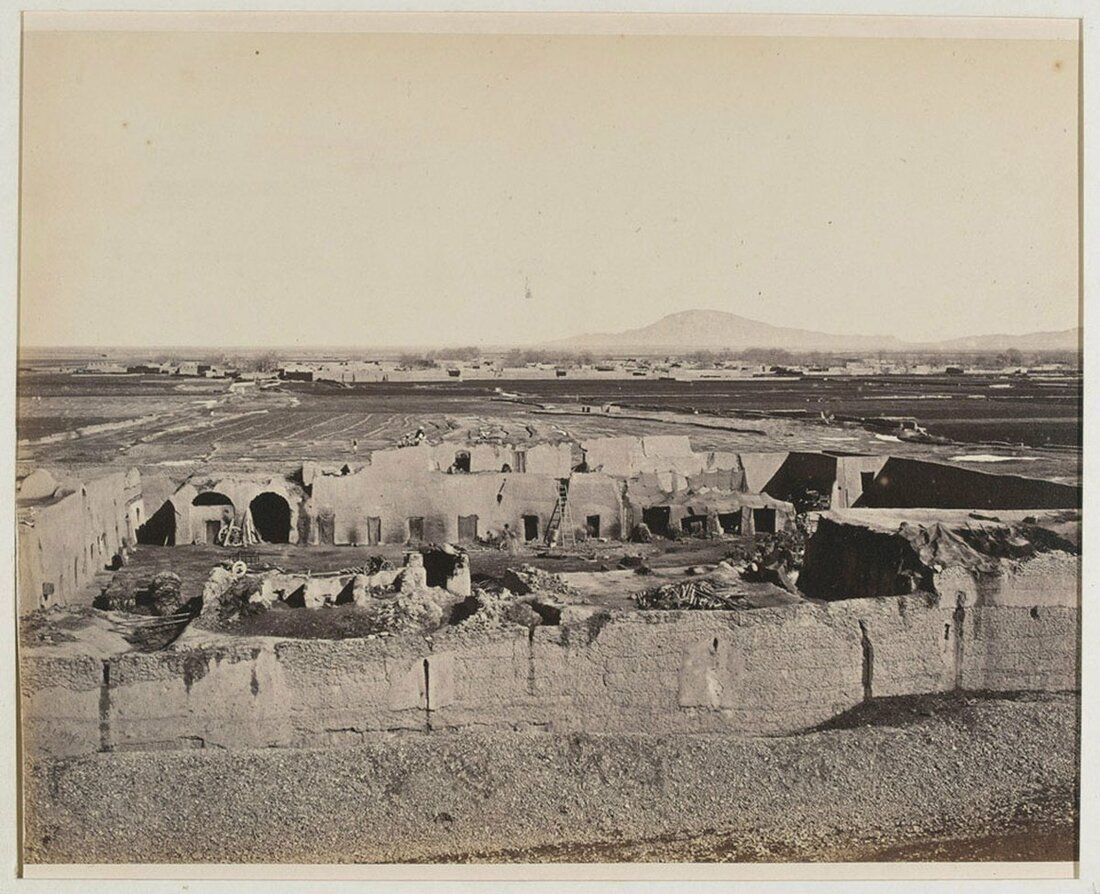
On 11th August, they and 4,500 other British and Native troops were besieged by 10,000 enemy tribesmen. On 16th August, five companies of the 2/7th (367 men), along with Companies from the 19th and 28th Native Infantry, formed part of a force of 900 infantry and 300 cavalry, sent on a sortie to attack the nearby fortified village of Deh Khoja. The plan which had originally been intended to involve a much larger force was foolishly stripped down in size by Brigadier-General Brooke and he would lead the attack. After suffering heavy casualties, the force finally reached the village, which was made up of a warren of streets and houses, perfect for defence. In the fierce hand-to-hand fighting that followed and with enemy reinforcements streaming into the fight, retreat became the only option. Brooke himself was was killed, as were many of his senior officers and as recalled:
‘...The combat during the retreat was perhaps even more desperate than during our assault. These desperate Ghazis and bold mountaineers, ignorant of discipline or any regular art of war, and armed only with rude matchlocks, short swords, and axes of native manufacture,
had by a sort of natural instinct discovered at once our weak points, and, by feints upon our centre, and furious assaults upon our flanks during the whole of our retreat across the plain, not only inflicted a tremendous loss upon us, but at one period seriously endangered our position.’
Both sides suffered heavy casualties, with the British losing 226 Officers and men, to add to the heavy butcher's bill after the recent matching disaster at Maiwand.
Recent research has proven beyond doubt that all seven of the D.C.M.'s to the Regiment for the campaign - previously and erroneously ascribed as 'retreat to Kandahar' - are in fact for the sortie at Deh Khoja. Private Ashford also took his superb Victoria Cross on that bloody day. Halletts' name was in the first three put forward for reward in March 1881, whilst three were latterly proposed in August 1881. Given Hallett is not in receipt of the 'Kandahar' clasp, it must be assumed he was sick or wounded on that day.
Subject to 20% VAT on Buyer’s Premium. For more information please view Terms and Conditions for Buyers.
Sold for
£6,500
Starting price
£4500
Watch, listen and bid as if you were in the room. Now available for auctions worldwide.
Click here to bid live
An exclusive and confidential service for the discerning collector or vendor.
View the Gallery
Download every Spink catalogue on your iPad, iPod or iPhone using free Spink app.
Download From iTunes© 2026 Spink & Son. All rights reserved.